

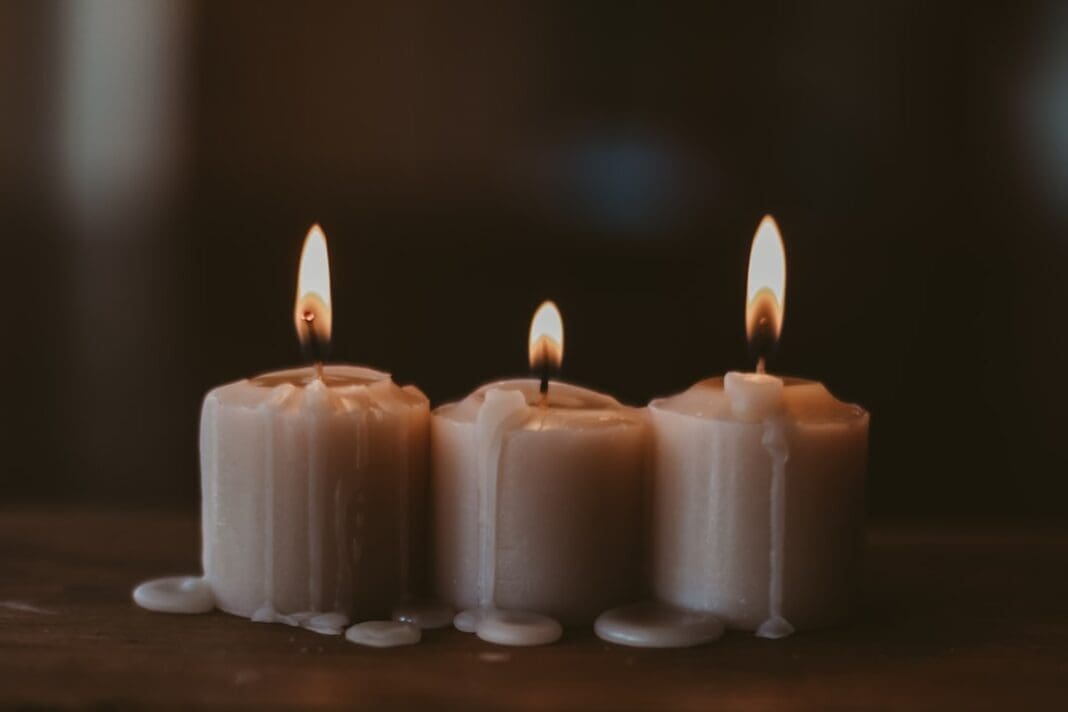
I keep a lot of weird stuff in my freezer. Ice cream, leftover chili, a bag of coffee beans I forgot about months ago. But the strangest thing I’ve added lately is a candle. Not because I ran out of room anywhere else. Because a bunch of people online swear that sticking a candle in the freezer before you light it makes it burn way longer. I rolled my eyes too. Then I actually looked into it, and the results genuinely surprised me. Turns out your $25 jar candle might be lying to you about how many hours it can give you.
This trick has been bouncing around TikTok and Reddit for a while, and most of us scroll right past it. So I dug into the real tests, the actual science, and the catch nobody likes to mention. Here’s what I found.
The Test That Actually Settled It
Most candle hacks live and die on vibes. This one got a real side-by-side test. Someone grabbed two identical sample-size Yankee Candles (less than $3 each) and a Duraflame lighter from Walmart. One candle got frozen for over 24 hours. The other one just sat on the counter at about 70 degrees. They trimmed both wicks to the same height, lit them at the same time, and watched.
For the first seven hours, the two candles burned almost neck and neck. Then the room-temperature one started losing ground. Just after the 9-hour mark, its flame died. The frozen candle? It kept going for another five hours. Final score: about 14 hours versus 9 hours. That’s a 55% jump in burn time from doing nothing but parking a candle next to your frozen peas. Free. No special tools. I was not expecting a gap that big.
Why Cold Wax Burns Slower
Here’s the part that messes with your brain. A wick doesn’t actually burn the solid wax. The flame melts the wax into a little liquid pool, and the wick drinks that liquid up like a straw, turning it into fuel. So the speed of your candle depends on how fast that pool forms.
When wax starts out cold and hard, it has to soak up more heat before it goes liquid. So the melt pool grows slower, the wick feeds at a steadier and gentler pace, and the whole thing stretches out. There’s a nice bonus here too. A slow start means the rim of the candle doesn’t slump into the pool early, which is what causes that annoying tunnel down the middle while wax clings uselessly to the sides.
Not All Candles React the Same Way
This is where it gets interesting, because the type of wax matters a lot. Someone ran a separate test with two white paraffin pillar candles, one frozen for 12 hours and one left alone. After 90 minutes, the room-temperature candle had already sunk a full centimeter. The frozen one was still basically level. The frozen paraffin candle ended up burning around 24% longer overall.
But swap the wax and the math changes. Soy wax only got about a 12% bump. Beeswax, which is already dense and slow-burning by nature, barely moved at all, somewhere around 8 to 10%. So if you’ve got a cheap paraffin pillar, freezing is a no-brainer. If you’ve got a pricey beeswax candle, the freezer isn’t going to do much for you. Worth knowing before you rearrange the whole freezer for it.
The Catch Nobody Likes to Mention
Okay, time for the honest part. The freezing trick is not pure magic, and the folks who actually make candles for a living have some real reservations. One candle company laid out the downsides clearly, and they’re worth a look before you commit.
Wax shrinks in the cold. If you freeze it too hard, the wax can crack or pull away from the glass, leaving little air pockets that mess up how it burns. Cotton wicks can get brittle. And glass jars hate sudden temperature swings, so a thin jar going from the freezer straight into a hot flame can crack from the shock. Ceramic and heavy-bottomed jars handle it much better. There’s also the moisture problem, which is the one most people forget. A cold candle pulls condensation out of the air the second it hits your warm kitchen, and that water can pock the surface or spot the glass. If you use soy wax and notice a cloudy white film after freezing, don’t panic. That’s called frosting and it’s purely cosmetic.
How Long You Should Actually Leave It In There
The sweet spot depends on size. Thin taper candles only need an hour or two. Big chunky pillars and jars need more like 6 to 8 hours to freeze all the way through. The bigger the candle, the longer the chill. Some people freeze theirs the night before and pull it out in the morning, which is the easiest approach for a big candle.
One thing I’d push back on: a couple of sites say you literally can’t overdo it and can store candles in the freezer forever. The candle makers disagree, and I trust them more here. Leaving wax frozen too long and then yanking it into warm air is exactly how you get cracking, splitting, and a weaker scent. The smart move is to wrap the candle in baking paper, slip it in an airtight bag, and freeze it for just a few hours up to overnight. Then let it sit out unwrapped for 20 to 30 minutes so any condensation can evaporate before you light it. Trim the wick to about a quarter inch, and on that first burn, let the melted wax reach all the way to the edges. That full pool is what keeps the candle from tunneling later.
The Best Reason to Freeze a Candle Has Nothing to Do With Burning
Here’s the twist I didn’t see coming. Even the candle pros who shrug at freezing for longer burn time absolutely love the freezer for one job: getting that last stubborn layer of wax out of a finished jar. You know those gorgeous designer candle jars you feel guilty tossing? A premium American brand actually recommends the freezer over a hair dryer or boiling water because it’s safer and way less messy.
Set the empty jar in the freezer for 3 to 5 hours, or overnight if you really want it to release. The cold makes the wax contract and shrink away from the glass. Then flip the jar upside down and give it a shake. The whole frozen puck usually pops right out in one piece. If a thin film stays behind, dip a paper towel in a little cooking oil and wipe it clean, since wax and oil dissolve into each other. Then wash with dish soap. Now you’ve got a free vase, pen cup, or drinking glass. I’ve reused three this way and it works every time.
Taper Candles Have Their Own Freezer Secret
If you’ve ever set a fancy table with taper candles and then watched wax dribble all over your nice tablecloth, this one’s for you. Event planners use the freezer trick on tapers all the time, and not mainly for burn time. They freeze them overnight to stop dripping. Pull the cold tapers out, pop them straight into the holders, and light. They burn longer and stay much cleaner.
While we’re at it, a pro tip for wobbly tapers: drip a little melted wax into the bottom of the holder, press the candle base into it, and hold until it sets. Or use a dab of Stick-Um putty. No more leaning candles ruining your centerpiece.
Stack It With the Salt Trick
If you really want to wring every hour out of a candle, freezing isn’t the only cheap trick in the drawer. There’s also the salt method, where you sprinkle a little salt into the melted wax pool. It slows the melt down for the same reason freezing does, and you can use both at once. Pair that with trimming your wick to a quarter inch before every burn, keeping the flame away from drafts, and capping each burn at around four hours so you don’t cook off the scent. Burning bigger candles with multiple wicks helps too, since more wicks spread the heat evenly and stop that hollow crater from forming. Those little habits add up faster than you’d think.
My Honest Take
So should you freeze your candles? For a cheap paraffin pillar, yeah, absolutely. An extra five hours for zero cost is a win, and I’m cheap enough to take it. For soft soy or already-slow beeswax, the payoff is smaller, so don’t stress about it. And the wax-removal trick is so good I’d do it whether or not freezing extended burn time at all. Just don’t treat your freezer like permanent candle storage, give cold candles time to warm up before lighting, and keep thin glass jars away from sudden heat. Do that, and you’ll get more out of every candle you own without spending a single extra dollar. Not bad for something sitting next to the ice cream.

