

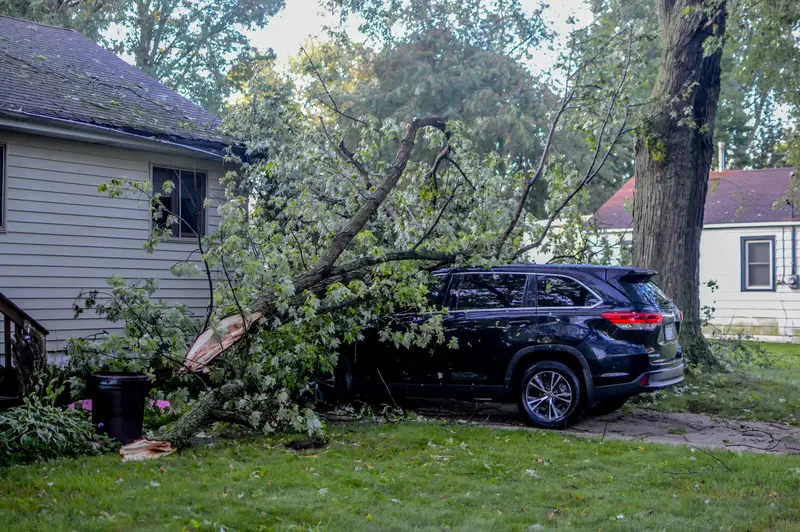
That shady spot under a big tree feels like a small win on a hot day. You pull in, the cabin stays cool, and you stroll off feeling clever while everyone else climbs into an oven on wheels. Here’s the part nobody mentions: that tree can quietly wreck your car. Not always in the dramatic branch-through-the-windshield way (though that happens too). It usually does it slowly, with stuff dripping down that you can barely even see. After reading what professional detailers say about cars left under the wrong tree, I will never grab the shady spot again without thinking twice. Honestly, some of this surprised me.
The Sticky Stuff On Your Car Isn’t Always Sap
Here’s a weird one. That clear, gluey film that shows up on your hood after parking under a live oak? A lot of the time, it isn’t tree sap at all. It’s bug juice. Tiny insects called aphids and scale bugs feed on the tree’s fluids and excrete a sticky, sugary substance called honeydew, which rains down onto whatever is parked below. Live oaks in places like Dallas are famous for this, and so are jacaranda trees out west. So you can park under a perfectly healthy tree, with no broken branches and no obvious sap, and still come back to a car coated in a film that collects dust and bakes onto your paint. The bugs you never noticed did the damage. Once sunlight hits the car and warms the surface, that residue hardens into something a regular car wash just laughs at.
Pine Sap Is Literally Used To Make Paint
If you have to rank tree sap from annoying to absolute villain, pine sits at the top. Pine sap is so sticky and so stubborn that it’s actually an ingredient in many paint products. Sit with that for a second. The thing dripping onto your car is related to the stuff used to make paint stick to surfaces. No wonder it refuses to come off. Pine resin contains compounds called terpenes that slowly break down your clear coat, and pine trees ooze the stuff year-round, not just in spring. They’re worst right after a fresh pruning, when sap pours out of every cut like a leaky garden hose. So if your neighbor just trimmed the big pine over the shared driveway, that’s the worst possible time to park there. Some people call pine sap “tar,” which isn’t technically right, but it sure describes the stickiness.
Your Paint Can Start Going Bad In Under Three Days
You might think a little sap can sit there for a while with no harm done. Wash it off this weekend, no big deal, right? Not quite. In warm climates, fresh sap can begin etching your clear coat in as little as 24 to 72 hours. That’s it. A long weekend at the lake and you could come back to permanent marks. Heat speeds the whole thing up because the trapped warmth softens the sap and lets it bond tight to the surface, while UV rays turn it into a hard, glue-like crust. Dark-colored cars get hit worst because they absorb more heat. So the black truck that looks amazing in the parking lot is also the one most likely to end up with sap baked into the finish. Leave it for weeks and you’re looking at paint correction, not just a wash.
Bird Droppings Plus Sap Is A Nightmare Combo
Trees attract shade, and shade attracts birds, and birds do what birds do. On its own, a bird dropping is bad news for paint because it’s acidic enough to leave a visible mark within hours, especially in direct sun. But layer a dropping on top of tree sap and you’ve got one of the most destructive combinations for outdoor-parked cars. The sap works like glue, holding the acidic mess flat against your paint so it can’t blow away or wash off in light rain. The dropping eats down while the sap keeps it pinned in place. Detailers point to this exact dual contamination as a top cause of early paint failure on cars left outside. So the perch above your parking spot isn’t just gross. It’s actively shortening the life of your paint job, one direct hit at a time.
The Damage You Can’t See Until It’s Too Late
Paint is the obvious problem, but there’s a sneakier one happening under the surface. Leaves, pine needles, twigs, and seeds collect in the crevices around your windshield, sunroof, and rain gutters. Those spots have hidden drain holes, and when they clog with wet debris, water has nowhere to go. In some cases it backs up into the air intake system, and that’s where it gets expensive. Soaked filters can fall apart and clog the valves until the engine won’t run, with repairs running $1,500 to $2,000 per incident, tow included. Even when it doesn’t reach the engine, blocked drains can flood your floorboards. That leads to moldy carpets, soggy upholstery, and electrical problems down the road. This stuff happens most in spring and fall, when trees dump the most debris. The fix is almost laughably simple: move your spot during those heavy seasons.
When The Whole Tree Comes Down
Then there’s the big one. Trees can weigh thousands of pounds, and a falling limb can crack a windshield or cave in a roof in a single second. The average insurance claim involving a fallen tree tops $4,000. Here’s the part that trips people up: this is covered by comprehensive insurance, not your basic liability. Comprehensive handles damage that isn’t a collision, including falling objects like trees and branches. The catch? Comprehensive usually isn’t part of a minimum coverage policy, so plenty of drivers find out the hard way they aren’t covered at all. And get this, even if your neighbor’s tree falls on your car, your own insurance typically pays first. The one time the neighbor might be on the hook is if the tree was clearly dead or rotting and they’d already been warned to remove it. Otherwise, gradual sap damage from regularly parking under a tree? That’s considered neglect, and insurers usually won’t touch it.
What To Do If You Can’t Avoid The Tree
Sometimes the tree spot is the only spot. Apartment lots and crowded streets don’t give you many choices. If sap lands on your car, resist the urge to grab a scraper, a credit card, or your fingernail, because all three will scratch the finish. A genuinely great trick is plain hand sanitizer. The alcohol works as a solvent, and because it’s a gel, you can dab it right on the spot, let it sit a few minutes, then wipe gently with a microfiber towel. A two-dollar travel bottle of 70 percent gel does the job. Always work in the shade, since direct sun makes the alcohol evaporate before it can soften anything. A simple car cover is your best friend here, blocking sap, leaves, droppings, and water from the intake all at once. And waxing your paint gives a protective layer that buys you time. Beyond that, just keep an eye on which trees are dropping and move during windy weather, when branches and fruit come down without warning.
So next time you spot that perfect patch of shade, do the math. A few cooler degrees on your seats versus baked-on bug honeydew, an etched clear coat, a clogged drain, and a possible $4,000 surprise from above. Park in the open, throw a cover on, and let everyone else fight over the tree.

