

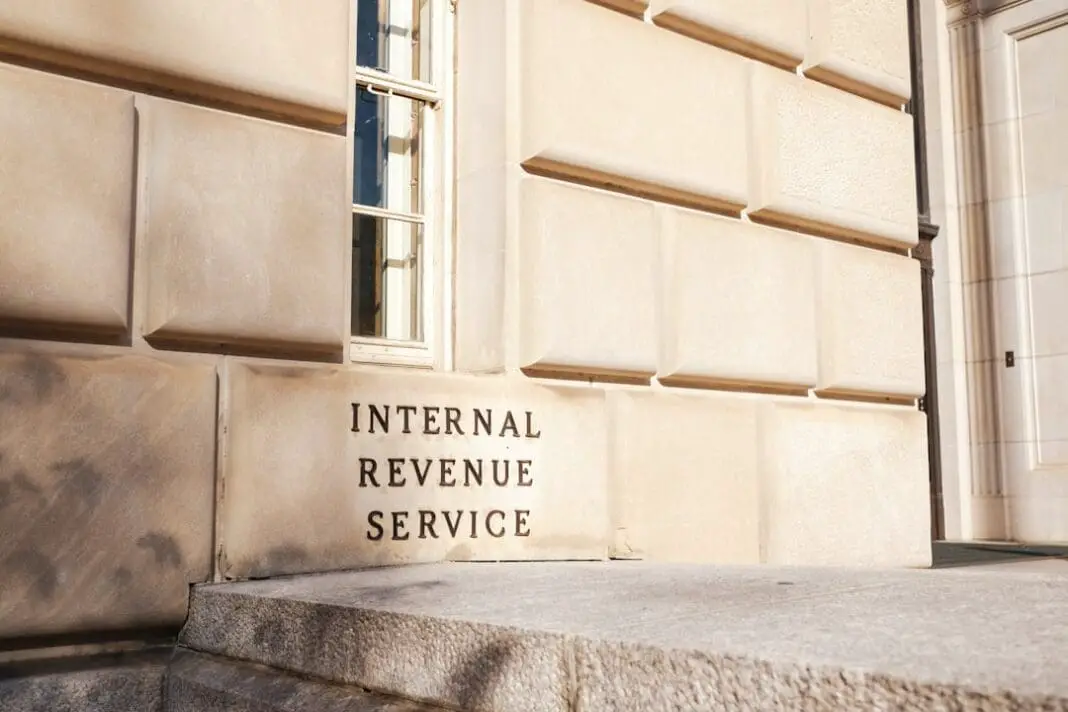
Somewhere right now a text is buzzing on somebody’s phone claiming the IRS needs a Social Security number in the next hour or a warrant goes out. It’s fake. Not probably fake. Fake. The real IRS follows a set of very specific rules about how it reaches people, and once you know the biggest one, most of these tricks fall apart in about two seconds. Let’s go through the stuff almost nobody realizes about how tax collectors actually talk to you.
The IRS Will Never Slide Into Your DMs
The IRS runs real social media accounts. Blue check marks, the whole setup. They post public stuff like deadline reminders and tax tips. What they do not do, ever, is send you a private direct message. Not about a refund, not about a balance, not about anything. If a “tax agent” is messaging you privately, that is a stranger with an agenda. During one recent fiscal year the agency counted more than 600 social media impersonators pretending to be them, and another tally put reports of fake IRS accounts north of 2,000. So when a DM shows up demanding your info, you already have your answer. The agency spells this out plainly on its own official guidance: follow the verified accounts if you want, but never reply to a message claiming to be from them.
Paper Mail Is the Real Tell
Here is the boring truth that scammers hate. The real IRS almost always starts with a letter. Actual paper, in your actual mailbox, dropped off by your mail carrier. Before any phone call, before any knock on your door, you typically get several notices in the mail. Every notice has a number on it, and you can look that number up on the agency website to confirm it’s legit. Some letters do come from private collection agencies the IRS hires, but even those arrive as written notice first, mailed to you before anyone calls. So the pattern to remember is simple. Contact starts by mail, not with a screaming voicemail or a text at 2 a.m. If your very first “contact” from the IRS is digital and panicky, that is backwards from how the real thing works.
The Text Message Loophole Almost Nobody Knows
For years the standard line was easy: the IRS never texts. That is still mostly true, but there is a small wrinkle worth knowing. Three narrow situations exist where the IRS will text your cell phone, and every single one requires you to sign up first. For example, if you ask an agent to call you back, you might get a text reminder before that call comes in. Those messages arrive from dedicated short codes, not some random 10-digit number, and they will never say “pay now or face arrest” or drop a surprise link in your lap. If you never opted in and a text lands demanding your Social Security number or telling you to scan a QR code, delete it. Real IRS texts are polite, expected, and rare.
Same Deal With Email
People with online IRS accounts often assume their notices will show up in their inbox. Reasonable guess. Wrong guess. The IRS only emails people who specifically signed up for it, and even then, account alerts come from an address ending in irs.gov, while news bulletins come from irs@service.govdelivery.com. One accounting firm described a client who got a phishing email that looked convincing because it mentioned the person’s real online account. That is the whole game. Crooks know we expect digital updates now, so they wave a real detail in front of you to make the fake feel safe. If an email surprises you, do not click anything in it. Open a new browser tab, type the IRS address yourself, and log in directly to check.
That Confident Voice on the Line Might Be a Robot
Phone scams got an upgrade, and it’s a nasty one. The agency’s 2026 Dirty Dozen list ranks AI-powered impersonation calls as the second biggest threat of the season. Scammers now use AI-generated voices, robocalls, and spoofed caller ID to sound calm, official, and totally in charge. The truly unsettling part is that the spoof can make your phone screen display the genuine IRS number, 800-829-1040. So “but it showed the real number” proves nothing anymore. Caller ID is not evidence. If you get a call like this and you genuinely wonder whether you owe anything, hang up and dial that number yourself. A real agent will not care that you called back to check. A scammer will fight you to keep you on the line.
Fake Agencies With Very Official Names
Crooks love a name that sounds like it belongs on a government door. The “Bureau of Tax Enforcement” sounds real. It is completely made up. There is no such agency. Same story with the “Tax Resolution Oversight Department,” another invention designed to make you nervous enough to pay. One outfit that regulators went after simply called itself American Tax Service. The official warning is blunt about these fake names. To make things trickier, the Taxpayer Advocate Service actually is a real IRS organization, but even it will not call you out of the blue with no reason. When a caller drops an important-sounding department you have never heard of, that mystery name is a red flag, not a badge of authority.
The Payment Methods That Instantly Give Them Away
Nothing outs a fraud faster than how they want to get paid. The IRS will never ask you to settle a tax bill with gift cards, cryptocurrency, or a wire transfer. So if a caller tells you to drive to Target, buy gift cards, and read the numbers off the back, congratulations, you just caught a scammer with zero effort. Regulators repeat this constantly because it works so reliably: real tax payments go through official channels, never a Bitcoin ATM at the gas station or a prepaid debit card. The government does not do secret same-day payments over the phone. It sends letters and offers normal ways to pay. Anyone rushing you toward an untraceable method is telling on themselves.
Fake IRS Websites Are Being Built by the Hundreds
The scale behind all this is genuinely wild. One security team found 152 new IRS-themed web domains registered in 2026 alone, and 82% of them were already active and built to trick people. The fake sites can go live within hours of being registered, cranking out roughly 62 dangerous links a month. Worse, the crews hide their traffic behind trusted platforms like DocuSign and other well-known services so the links look more believable when they hit your inbox. And these are not lone hackers in a basement. There are organized cash-out networks paying couriers 40% to 45% commissions to move the money. Meanwhile, the FTC says Americans reported losing $3.5 billion to imposter scams in a single year, with nearly one in three fraud reports involving an impersonator. This is a full-blown industry.
If Someone Actually Shows Up at Your Door
Rare, but it happens. A real IRS employee can visit in person, usually after mailing you notices first, in cases like an overdue bill, an unfiled return, or a missed employment tax deposit. When someone claims to be from the IRS at your door, ask for identification. Genuine employees carry two forms of official credentials: a pocket commission and an HSPD-12 card, which is the standard ID for federal workers. You are fully allowed to ask to see both, and a legitimate agent will not get bent out of shape about it. One more detail people miss: appeals employees will never ask for your credit card or banking information. So if a “visitor” is dodgy about ID and eager for your card number, that is not the government standing on your porch.
What to Do When One Slips Through
You will get hit with one of these eventually. Everyone does. When it happens, take a breath and report it instead of panicking. Forward sketchy emails to phishing@irs.gov. Forward junk texts to 7726, which spells SPAM on your keypad and alerts your phone carrier. If you honestly think you might owe something, call the IRS yourself at 800-829-1040 to confirm before you do anything else. You can also file a complaint with regulators, and the 2026 warning points people to an online tip tool for reporting suspected tax fraud. Screenshot the message first so you have a record. The single habit that protects you better than anything: slow down. Scammers win on speed and fear. The real IRS moves at the pace of the postal service, and that gap is exactly where you catch them.

