

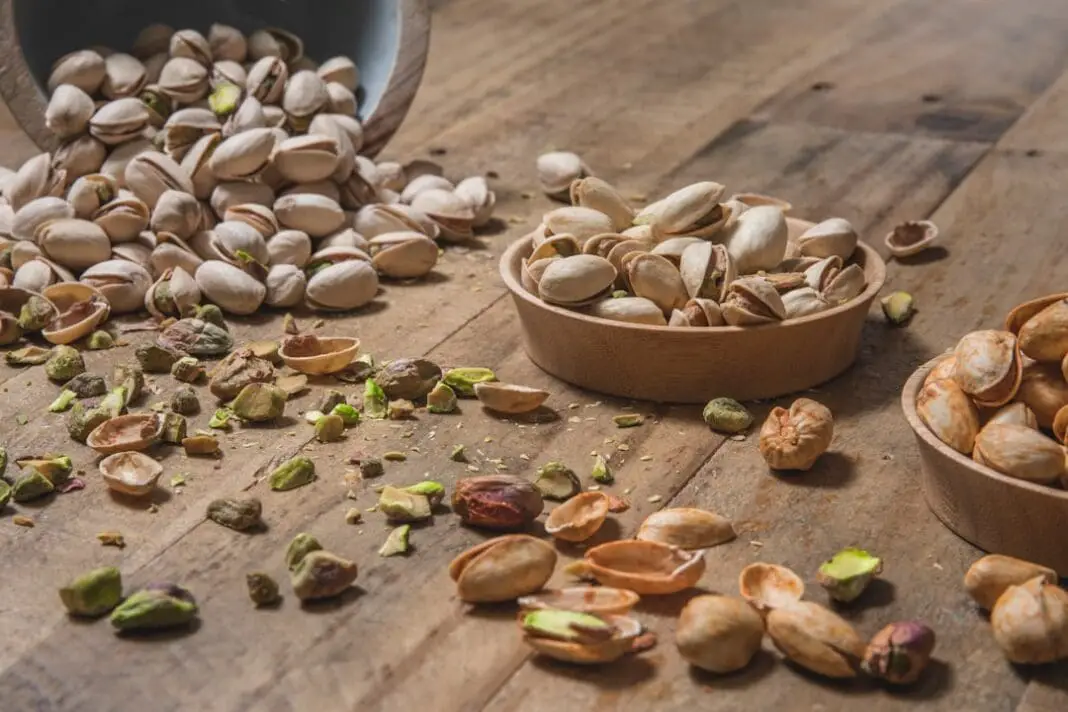
That pile of little half shells next to the couch after a movie is one of the most useful things you can pull out of a snack bowl, and almost nobody treats it that way. They mulch a bed, they feed a compost pile, and crafters build whole wreaths out of them. Once you know what the shells can do, and the one job they are wrong for, throwing them out starts to feel like tossing money in the bin.
Skip the Layer at the Bottom of the Pot
It is tempting to line the bottom of a pot with shells for drainage. Skip it. Water does not move easily from fine potting mix into a coarse layer underneath, so it sits in the soil above instead, and the saturated zone rises closer to the roots rather than draining away from them. Washington State University Extension puts it bluntly: drainage material will only hinder water movement, and adding it will induce the very state it is intended to prevent. A layer of shells also steals root volume. If a plant is drowning, the fixes are a pot with real drainage holes, a fast-draining mix used the whole way down, and watering less often. Save the shells for the top of the soil, where they earn their keep.
Why You Drown in Shells to Begin With
Ever wonder why one bag of pistachios leaves a mountain of shells while other nuts don’t? Pistachios crack themselves open while they ripen on the tree. That natural split means growers can roast, salt, and flavor them without ever prying the shell off, so the shell rides along all the way to your bowl. Cashews never reach you in the shell at all, because a cashew shell carries an irritant oil that has to be processed out first. Pistachios (Pistacia vera) are native to western Asia, from Syria across to Afghanistan, and the shell is a woody husk, mostly cellulose, hemicellulose and lignin, much like a twig. It is the kernel, not the shell, that is roughly half oil. One thing to know before you start: pistachio is a tree nut. Whole shells rinsed clean are low risk, but crushing, drilling, grinding or burning them puts nut protein into the air, so skip those steps around anyone with a tree-nut allergy.
The Slug Barrier That May Not Hold
Slugs and snails ruin a garden overnight, and a ring of crushed shells is the classic cheap defence. Be honest about how well it works. When researchers actually tested the same idea with crushed eggshells, the slugs crossed the barrier without much trouble, because the mucus they travel on carries them over surfaces that look impassable to us. Shells are free and they will not hurt anything, so a border round a plant you want to protect is worth trying. Crush them a little first so the pieces sit at odd angles. Just do not count on it as your only line, and refresh the ring after a hard rain knocks it out of place.
Rinse the Salted Ones or Skip Them
Salt is the one thing that trips people up. Salted shells carry sodium, and enough of it in a container will restrict water uptake and burn leaf margins and roots. The fix is easy: rinse them well under the tap, then let them dry all the way so they do not grow mold sitting in a jar. Plain, unsalted shells can skip the rinse and go right to work. The bright red ones are a curiosity more than a hazard. They were dyed with ordinary food coloring to hide harvest stains, and American growers largely stopped doing it around 1980. Leave them out of the compost if you would rather, but there is no evidence the color reaches your tomatoes.
They Take Forever to Break Down
Pistachio shells are stubborn, which is both a good and a bad thing in a compost pile. They count as a brown, the carbon-rich material that balances out wet green scraps. Expect them to take the best part of a year crushed, and years if you leave them whole, which is longer than almost anything else you will put in. Crushing them first is the single biggest thing you can do to speed it up, and a long soak beforehand helps, since a damp shell rots faster than a dry one. In a worm bin they work as grit and bulk rather than as food, because worms cannot digest a woody shell. If your home pile feels too slow, a commercial composting facility runs hot enough to get through them faster than a backyard heap will.
Free Mulch That Actually Lasts
Spread shells across a bed and they behave like any bag of mulch you would buy. They lock in moisture, block weeds from sprouting, and insulate roots, keeping soil cooler in summer heat and warmer through a cold snap. What they will not do is feed the soil. The same woody structure that makes them last means they give up almost nothing while they sit there. Mix them with bark, shredded leaves, or wood chips for a blend that looks intentional instead of like snack trash. The one catch is that same durability. Shells break down slowly, so they stay visible for a long time. If you like a tidy, uniform bed, crush them first or tuck them under a top layer of something finer.
A Fire Starter, Outdoors Only
Those shells burn, and they burn fast. Dry, woody and full of air, they catch like fine kindling, which makes them a useful way to get a fire pit going when your tinder runs out. Keep it outdoors and behind a spark screen. Do not use them in an indoor fireplace or a wood stove: the EPA’s guidance is to burn seasoned wood and start fires with newspaper or dry kindling, and a handful of small, fast-flaring, smoky fuel is exactly how a cool flue builds creosote. Bundle a batch into a paper lunch bag and the whole thing burns slower and steadier, giving your real wood time to catch. Keep it to a handful at a time, or you get flying sparks. And skip this altogether if anyone nearby has a tree-nut allergy, because burning is one of the steps that puts nut protein into the air.
Wreaths, Necklaces, and Wind Chimes
Crafters have quietly turned pistachio shells into a free supply closet. The half-shell shape looks a lot like a flower petal or a feather, which is why people glue them into lotus flowers that float in a bowl, mini succulents, and full door wreaths. Fair warning on that last one: one crafter reckons a single wreath eats the shells from about three pounds of pistachios, so start saving early. Drill a small hole in each shell and you can string them into a necklace, then paint them for color. Do the drilling outdoors or wear a mask, because that is where the nut dust comes from. Kids turn them into painted Christmas ornaments and snowflakes. Strung on fishing line and hung off a porch, they knock together into a soft wind chime. Fruit bowls, candle holders, and earrings all show up in the same craft bins.
Glue Them Into Wall Art
Beyond wreaths, whole rooms have gotten a shell makeover. Glued onto a canvas, the shells form flowers, leaves, or a raised seashell-style pattern, and mixing in burlap or twine gives the piece a 3D, organic look. People have strung them into boho wall hangings that mimic yarn art, and one truly ambitious version threads shells into a wearable halter top that looks like a 1970s beaded curtain. There are shell mosaics, painted orchid pots, and even earrings. The reason it works is that no two shells are identical, so the finished piece has the handmade texture crafters pay good money to fake. Grab some hot glue and a blank canvas and the raw material is already in your trash can.
One Last Trick for the Living Room
The same porous structure makes shells good at holding a scent. Soak clean, dry shells in a few drops of essential oil, lavender, citrus and cinnamon all work, let them sit a few hours to drink it in, then mix them with dried rosemary or orange peel in a bowl. Expect a couple of months rather than a year, and top the oil up when it fades. Not bad for the part of the snack you were about to throw out.

