

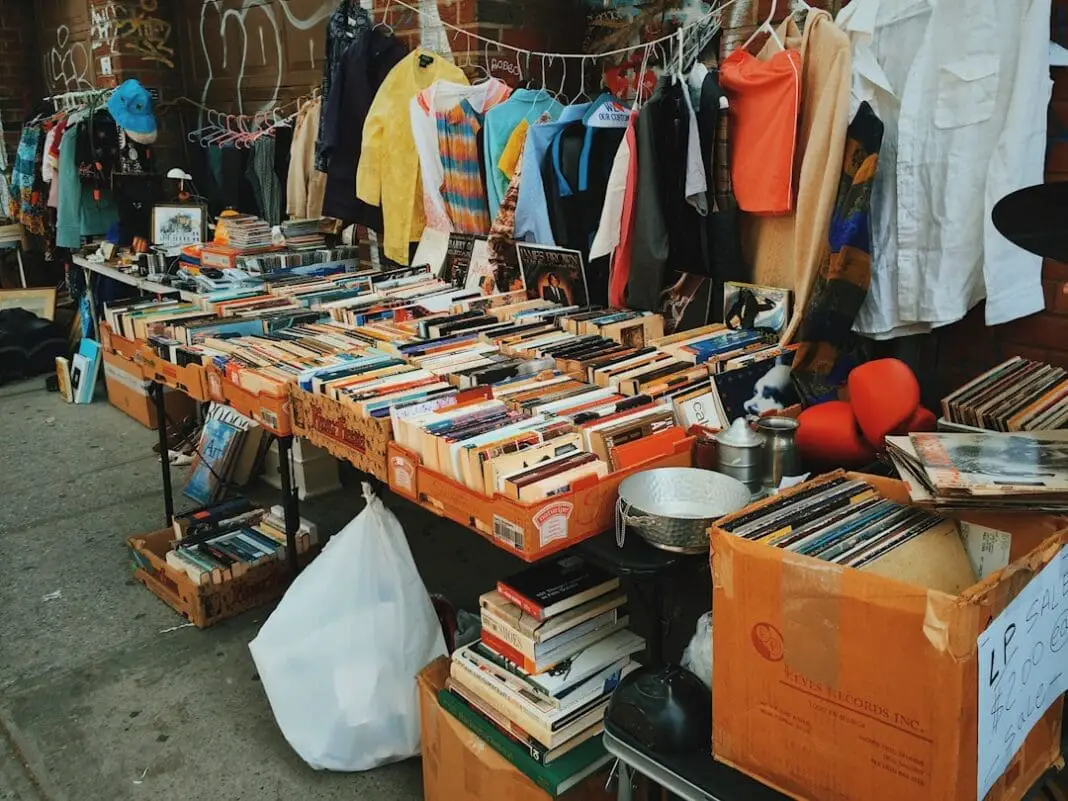
Garage sale season is in full swing, and if you’re like most Americans, you love the thrill of scoring a great deal on a Saturday morning. A vintage lamp for five bucks? A barely used KitchenAid mixer for twenty? Sign me up. But not everything spread across that folding table in someone’s driveway is worth bringing home, no matter how cheap it is.
Police officers, consumer safety experts, and organizations like the U.S. Consumer Product Safety Commission (CPSC) have been vocal about certain categories of items that should never, ever be purchased secondhand. Some of these items are outright illegal to resell. Others are just a terrible value once you understand what you’re actually getting. And a few of them might genuinely surprise you.
Here’s a ranking of the worst garage sale purchases you can make, starting with the absolute worst and ending with one that’s still not great but at least has a workaround.
8. Recalled Products of Any Kind (The Absolute Worst)
This one sits at the very bottom of the list because buying a recalled product at a garage sale isn’t just a bad idea. It can be illegal for the seller, and it puts you and your family at real risk.
Here’s the thing most people don’t realize: under federal law, selling recalled products is illegal whether you’re a major corporation or someone hosting a yard sale in your front yard. The CPSC recalls between 300 and 500 products every single year, and many of those recalled items end up right back on folding tables in driveways across America. The seller might not even know the item was recalled. But ignorance of the law is not an excuse, according to the CPSC’s own resellers’ guide.
Penalties for selling recalled products can range from $100,000 to a staggering $15,000,000. And in states like New York, the Children’s Product Safety and Recall Effectiveness Act specifically targets recalled children’s products, requiring retailers and secondhand dealers to pull items within 24 hours of receiving a recall notice.
Before you buy anything at a garage sale, especially baby gear or appliances, take five minutes and search the model number at cpsc.gov/recalls. It could save you from bringing home something that was pulled from shelves for a very good reason.
7. Drop-Side Cribs and Older Baby Cribs
If you see a crib at a garage sale, keep walking. This is not a gray area.
Drop-side cribs were linked to dozens of infant deaths before they were banned over a decade ago. Yet they still show up at yard sales regularly because the people selling them simply don’t know or don’t remember the ban. Federal safety standards for cribs have changed multiple times over the years, and what was once considered a perfectly safe crib may not meet current standards at all.
Beyond the regulatory issues, older cribs suffer from wear and tear that isn’t always visible. Slat spacing may have loosened over time. Hardware can weaken. Painted finishes on vintage cribs may contain lead compounds. And you simply have no way to verify the full history of a crib sitting in someone’s garage.
Heather Aiello, founder of The Organized You home organization company, told AARP that cribs, car seats, and even high chairs have expiration dates and should never be purchased used. If you’re shopping for a baby at a garage sale, stick to plastic toys, board books, and puzzles. Those are the safe bets.
6. Car Seats
Car seats are probably the most tempting “big ticket” baby item at garage sales. A new one can cost $150 to $400, so seeing one for $20 feels like a no-brainer. But it’s actually one of the worst purchases you can make.
Consumer Reports is blunt about this: buying a used car seat is not a good idea because there is too much you won’t reliably know about it. Has it been in a crash? Even a minor fender bender can compromise the structural integrity of the seat in ways you cannot see. Is it expired? Yes, car seats expire. The plastic and foam degrade over time, reducing their ability to perform in an accident.
There’s a reason you can’t donate car seats to Goodwill or buy them at most thrift stores. The everyday wear and tear alone takes a serious toll. If you absolutely must consider a used car seat, Consumer Reports says you need to verify it has no broken or missing parts, confirm it hasn’t been in a crash, check the expiration date on the label, and search for any open recalls on the model. That’s a lot of homework for a garage sale find, and most sellers won’t have reliable answers to those questions.
5. Bike Helmets and Sports Helmets
This is the one that police and safety experts flag over and over again, and it’s the item that inspired this entire list.
A helmet’s entire job is to absorb impact. Once it has done that job, even once, the internal foam can develop microscopic cracks that compromise its structural integrity without showing any visible damage on the outside. You’d never know by looking at it. The seller might not even remember dropping it, let alone being in an accident while wearing it.
Safety standards also change constantly. A helmet from five or six years ago might not meet current guidelines. And as AARP’s expert Heather Aiello points out, the foam inside helmets deteriorates naturally over time and loses its shock absorption capabilities, even if the helmet was never involved in an impact. That foam is also notoriously difficult to wash, meaning it can harbor allergens and other unwanted guests.
“Bike helmets are only meant to last so long,” Aiello told AARP. A new, properly fitted helmet is one of the best investments you can make. This is not the place to bargain hunt.
4. Used Mattresses and Pillows
You might think you’re getting a great deal on a barely used mattress at a yard sale. Maybe it even looks brand new. Maybe it’s still in plastic wrap. Doesn’t matter. Skip it.
The primary concern with used mattresses is bed bugs. Once bed bugs get into your home, they will wreak havoc. Getting rid of them can cost hundreds or even thousands of dollars in professional extermination. That “deal” on a $50 mattress suddenly doesn’t look so great when you’re paying $1,200 to tent your bedroom.
Even mattresses that appear clean can harbor dust mites, bacteria, and allergens deep inside where no amount of surface cleaning can reach. Professional deep cleaning often costs more than just buying a new mattress in the first place. Some states actually have laws restricting mattress resale for exactly these reasons.
Same goes for pillows. Their full history is unknown, and there’s no reliable way to sanitize them to the point where you’d want to put your face on them every night.
3. Non-Stick Cookware With Scratched Coatings
Here’s one that a lot of garage sale shoppers overlook completely. That $3 set of non-stick pans might seem like a steal, but the non-stick coating on pots and pans wears off after about three to five years of use. Once it’s scratched or degraded, chemicals from the coating can migrate into your food during cooking.
Safety experts flag this as a significant concern, especially with older cookware where the coating is visibly worn, flaking, or scratched up. And let’s be honest, if someone is selling their pots and pans at a garage sale, there’s a decent chance the coating is well past its useful life.
The workaround here is straightforward. If you want to buy cookware at a garage sale, look for stainless steel or cast iron instead. AARP’s experts specifically recommend cast iron pans and quality kitchenware as solid garage sale buys. A beat-up cast iron skillet is actually better with age. A beat-up non-stick pan is headed for the trash.
2. Used Cosmetics, Perfume, and Grooming Tools
This one gets a hard no from basically every expert who has weighed in on the topic. The FDA itself warns consumers to be wary of cosmetics sold at flea markets and resale venues, noting that products may be past their shelf life, previously used, diluted, or tampered with.
You don’t know if someone dipped their fingers into that jar of cream. You don’t know how long that lipstick has been sitting in a hot garage. Used beauty and grooming tools can spread bacteria, fungi, or even lice. Even products in sealed packaging aren’t necessarily safe, since heat exposure and age can degrade formulas in ways you can’t detect by looking at the box.
Baby pacifiers and soothers fall into a similar category. Silicone and latex break down over time, and standard cleaning methods can’t fully sanitize them. Pediatricians recommend new oral accessories for every child, full stop.
1. Old Electronics and Vintage Appliances (The “Least Worst” but Still Bad)
Electronics and vintage appliances land at the top of our list because, unlike the items above, there is at least a partial workaround. AARP’s experts say electronics should be avoided unless you can test them on the spot. If you can plug it in and verify it works before handing over your cash, you’ve eliminated one major variable.
But even then, you’re taking a gamble. Old power tools can have faulty wiring that isn’t visible from the outside. Vintage appliances with aging heating elements can become fire hazards. Older electronics often lack modern grounding plugs, and internal components can degrade in ways that make them unpredictable. These items are almost always out of warranty, so if something goes wrong a week after your purchase, you’re out of luck.
GarageSaleTime.com specifically flags space heaters as a concern, noting that older models often lack the safety features required by modern standards.
What You SHOULD Buy at Garage Sales
Now for the good news. Not everything at a garage sale is a gamble. Furniture is a fantastic buy because it can easily be refreshed with paint or new hardware. Cast iron cookware and quality kitchen tools hold up beautifully over decades. Kids’ clothing is one of the smartest buys out there, since children outgrow things so fast that used clothes are often barely worn. Costume jewelry, books, and sports equipment (excluding helmets) are all fair game.
And if you’re eyeing battery-powered lawn tools, Consumer Reports says they can be a solid deal as long as they come with the charger, the manual, and ideally an extra battery. For riding mowers, check the hour meter to see how much use it’s actually gotten.
The bottom line? Garage sales are wonderful. But a deal is only a deal if the item is actually worth owning. Spend the extra five minutes checking recall databases, asking questions, and trusting your gut. If something feels too cheap to be true, it probably is.

