

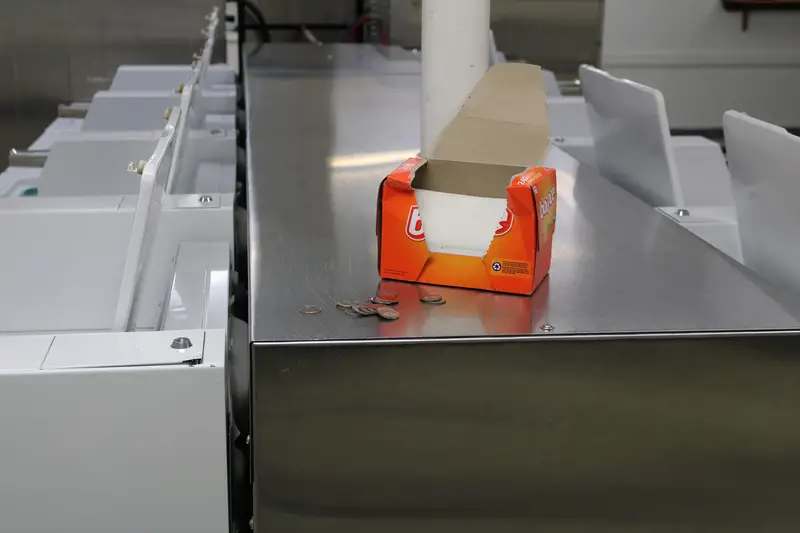
I used dryer sheets for probably 20 years without thinking twice. Toss one in, clothes come out soft, the house smells like a meadow. What’s not to love? Turns out, a lot. Once I started looking into what these things actually do to your clothes, your dryer, and your home, I felt genuinely annoyed that nobody told me sooner. So here’s everything I wish I’d known before I burned through roughly a thousand boxes of Bounce.
They’re Slowly Ruining Your Towels
This was the one that got me. You know how your towels start feeling kind of slick after a while? And then they stop actually drying you off, so you’re just standing there after a shower rubbing a glorified tarp on your body? That’s dryer sheets.
The way dryer sheets work is by depositing a thin, waxy layer of chemicals onto your fabrics. That coating is what makes everything feel “soft.” But on towels, it’s a disaster. Cotton towels are designed to absorb water. When you coat them in waxy residue load after load, you’re essentially waterproofing them. Over time, that buildup also traps moisture and bacteria, which is why older towels start smelling stale even right out of the dryer.
Microfiber towels get it even worse. Those tiny fibers are engineered to trap microscopic particles and soak up spills. The dryer sheet coating clogs them completely. If you’ve been wondering why your microfiber cleaning cloths stopped working, now you know.
Your Workout Clothes Are Next
If you’re spending money on moisture-wicking athletic gear from Nike, Lululemon, Under Armour, or really any brand, and then tossing dryer sheets in with them, you’re undoing the thing you paid for. That fancy fabric technology works because the material pulls sweat away from your skin and lets it evaporate. Dryer sheets add a film that blocks that process entirely.
Laundry care expert Suzanne Holmes, who manages the product evaluation laboratory at Cotton Incorporated, put it bluntly in an interview: relying too much on dryer sheets can turn items like towels into nonabsorbent, ineffective rags. The same logic applies to activewear. You’re paying a premium for breathability and then smothering it in wax every laundry day.
They Can Make Children’s Sleepwear Less Safe
This one is genuinely alarming and not enough people know about it. Under federal law, children’s pajamas and sleep garments are required to be flame retardant and self-extinguishing. That’s a safety standard that exists for obvious, important reasons.
Dryer sheets mess with that. The waxy coating they leave behind can reduce the flame-resistant properties of those fabrics. Studies have shown that fabrics exposed to multiple cycles with fabric softeners show increased flammability. So every time you dry your kid’s pajamas with a dryer sheet, you’re potentially chipping away at a safety feature that’s supposed to protect them.
This isn’t speculation or fearmongering. It’s a known issue that fabric care labels and dryer sheet packaging sometimes mention in tiny print that almost nobody reads.
Your Dryer Is Taking a Beating
Here’s something your appliance repair tech probably wishes you knew: dryer sheets are slowly gunking up your machine. That same residue that coats your clothes also coats the inside of your dryer. It builds up on the lint screen, the drum, the heating elements, and the moisture sensors.
When residue coats the moisture sensors, they can’t get accurate readings. That means your dryer might run too long (overdrying and damaging your clothes) or shut off too early (leaving everything damp). Either way, you’re wasting energy and shortening the life of both your clothes and your appliance.
The residue on heating elements is even more of a problem. It acts like insulation, forcing the element to work harder to reach the right temperature. That extra strain can lead to premature failure and expensive repairs. A new dryer heating element can easily cost $100 to $300 with labor, depending on your machine. That’s a lot of money to spend because of a product that costs pennies per sheet.
The Fire Risk Nobody Talks About
The U.S. Fire Administration reports that clothes dryer fires account for thousands of home fires every year. A significant number of those fires are linked to lint buildup and restricted airflow in the vent system. Dryer sheets contribute to this problem directly.
The residue they leave behind doesn’t just sit on your clothes. It accumulates in the lint trap and the vent system, restricting airflow and causing the dryer to overheat. Try this right now: take your lint screen out and hold it under running water. If the water pools on the surface instead of flowing right through, you’ve got dryer sheet residue buildup. That film is partially blocking airflow every single time you run a load.
If you’ve been using dryer sheets for years and you’ve never washed your lint screen with soap and water (just pulling off the lint doesn’t remove the residue), you’re overdue. Experts recommend scrubbing it at least once a month and getting your dryer vent professionally cleaned or inspected at least once a year.
What’s Actually in These Things Is Wild
A dryer sheet is basically a piece of nonwoven polyester fabric coated in chemicals. When you heat it up in the dryer, those chemicals release into the air, onto your clothes, and out through your dryer vent into the environment.
A study led by University of Washington professor Anne Steinemann measured the air coming out of home dryer vents after using scented laundry products. They found over 25 volatile organic compounds (VOCs) released in just one load. Seven of those are classified by the EPA as hazardous air pollutants.
Here’s the stat that floored me: the acetaldehyde emissions from a single load of laundry using scented products were estimated to be about 3% of the total daily emissions from automobiles in the study area. One load of laundry. Three percent of all the cars. That’s a staggering amount of pollution from something most people never think twice about.
And here’s the kicker. In the U.S., manufacturers aren’t required to disclose all the ingredients in their dryer sheet products. The word “fragrance” on a label can legally hide dozens of undisclosed chemicals. You literally don’t know what you’re putting on the clothes your family wears against their skin all day. The Environmental Working Group looked into this and found that 72% of products listing “fragrance” as an ingredient contained phthalates, which are endocrine disruptors. Over 70% of fabric softeners earned a D or F safety rating from the EWG.
California’s Air Resources Board actually regulates dryer sheets as VOC-emitting consumer products now, subjecting them to specific emissions standards. When a state known for its car culture starts regulating your laundry products for air quality, that should tell you something.
The “Softness” Is Fake Anyway
This is the part that really bugs me. Dryer sheets don’t actually soften your clothes. They create the illusion of softness by coating fibers in a slippery chemical layer. Your fabric isn’t softer. It’s just coated. It’s like saying your car is cleaner because you covered it in a tarp. The dirt is still there; you just can’t feel it.
That coating also causes problems with silk and wool, dulling their natural properties. And it reduces the effectiveness of water-repellent fabrics like rain jackets. So if you’ve noticed your “waterproof” jacket soaking through lately, your dryer sheets might be the culprit.
What to Use Instead
The good news is that the alternatives are cheap, easy, and actually work better. Here’s what laundry experts consistently recommend.
Wool dryer balls. These are the number one replacement. You can buy a set of six on Amazon for around $10 to $15, and they last for over a thousand loads. Instead of coating your clothes in chemicals, they physically bounce around in the dryer, separating fabrics so hot air circulates more evenly. This actually softens fibers through mechanical action (real softness, not fake chemical softness) and reduces drying time by about 25%. Less time in the dryer means lower energy bills and less wear on your clothes. If you want scent, add a few drops of essential oil to one of the wool balls before tossing them in.
White vinegar. Add half a cup to the rinse cycle of your washing machine. It softens fabrics, reduces static cling, and doesn’t leave any smell behind (seriously, your clothes won’t smell like vinegar). It also helps break down detergent residue, which means cleaner clothes overall.
Aluminum foil balls. This one sounds like a Pinterest hack that doesn’t work, but it actually does reduce static. Ball up a sheet of aluminum foil about the size of a baseball and toss it in the dryer. It discharges the static electricity that builds up during tumbling. It won’t soften your clothes, but if static is your main gripe, it’s a free fix.
Baking soda. Half a cup added to the wash cycle helps soften water and fabrics naturally. It also helps remove odors without adding any fragrance.
The Bottom Line
Dryer sheets are one of those products that have been marketed so well for so long that we never stopped to question whether they’re actually doing us any favors. The truth is, they leave chemical residue on your clothes, destroy the performance of towels and athletic wear, compromise the safety features of children’s sleepwear, gunk up your dryer, increase fire risk, and pump VOCs into your home and neighborhood. All for a product that doesn’t even genuinely soften anything.
A $12 bag of wool dryer balls does the job better, lasts years, saves you money on energy bills, and doesn’t come with any of the baggage. It’s one of the easiest swaps you can make, and once you do, you’ll wonder why you ever bothered with dryer sheets in the first place.

