

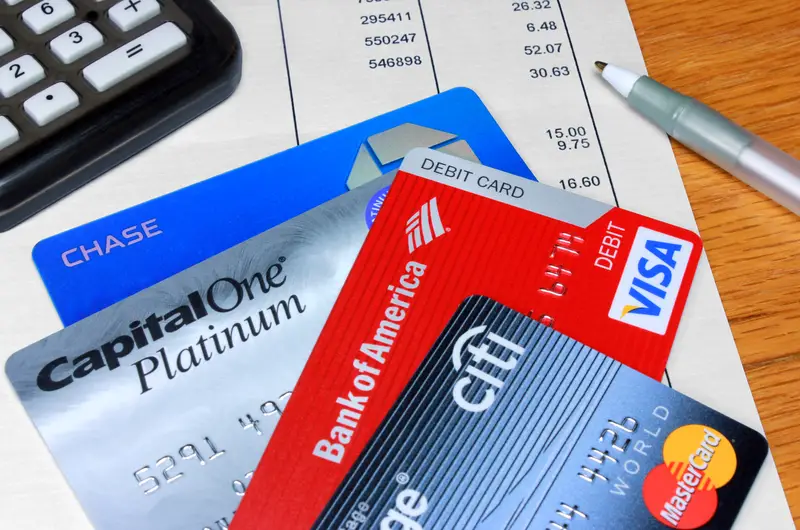
I want you to think about the last time you actually read your bank statement. Not glanced at the balance. Not scrolled past the notification. I mean sat down and read every single line item. If you’re like most people, you probably can’t remember. And that’s exactly what the people stealing your money are counting on.
There’s a specific pattern showing up on bank statements across the country, and if you spot it, you have a very narrow window to act before things get ugly. We’re talking about tiny, almost laughable charges, often under five dollars, from companies with names you’ve never heard of. That random $2.27 from “ABC Processing” or $0.63 from some merchant you can’t identify? It’s not a mistake. It’s not a forgotten subscription. It’s someone testing whether your card works and whether you’re paying attention.
Why Scammers Start Small (and Why It Works So Well)
Here’s how the scheme works. A criminal gets your card number, maybe from a data breach, maybe from a skimming device at a gas pump, maybe from a phishing email you clicked three months ago and forgot about. Before they go on a spending spree, they need to confirm two things: that the card number is still active and that you aren’t watching your account closely. So they run a tiny charge. A dollar nineteen. Three bucks. Sometimes literally seventeen cents.
Most people see a charge that small and do absolutely nothing. They assume it’s some app they forgot about or a rounding error from their bank. According to fraud experts, if you see words like “test” or “payment process” attached to an unfamiliar charge, that’s a massive red flag. Once the test charge goes through without being disputed, the scammer knows your account is wide open. That’s when the real damage starts.
The 60-Day Deadline Most People Don’t Know About
Here’s where this gets really scary. Federal law gives you some solid protection against unauthorized charges on your debit card, but only if you act within very specific timeframes. If you report the fraud within two business days of discovering it, your maximum liability is capped at $50. That’s not bad. Wait longer than two days but still report within 60 days of your statement date, and your exposure jumps to $500.
But here’s the part that catches people off guard: if you miss that 60-day window entirely, you could lose everything that was taken after that deadline. The bank has zero obligation to reimburse you. None. For credit cards, the rules are a bit more forgiving, with a $50 cap regardless of timing and most major issuers offering zero-liability policies. But for debit cards and electronic transfers, the clock is ticking from the moment that statement is issued, whether you read it or not.
Strange Company Names Are a Huge Tell
One of the trickiest parts of spotting fraud on your statement is that legitimate charges don’t always look legitimate. You buy a coffee at the airport and it shows up as some parent company name you’ve never seen. You order something online and the charge lists the retailer’s headquarters city instead of your location. This confusion is real, and scammers exploit it by hiding behind vague names like “XYZ Holdings” or “Digital Services LLC.”
Legitimate businesses usually use recognizable names that connect to their actual services. If something on your statement sounds like a shell company or a placeholder name, take five minutes to Google it. If nothing clear comes up within a day, call your bank. Don’t wait around hoping you’ll remember signing up for something.
The Geographic Trick That Gives Fraudsters Away
This one should be obvious, but people miss it constantly. If you live in Ohio and your statement shows charges from Miami, Los Angeles, and Toronto on the same day, that’s physically impossible. You weren’t in three cities at once. Yet people see out-of-state charges and just assume they forgot about an online purchase or that a relative borrowed the card.
According to fraud analysts, geographic inconsistencies are one of the clearest indicators of stolen card information. Even if the dollar amounts look normal, the location mismatch is what matters. Now, there’s a caveat: online purchases sometimes show the company’s headquarters location rather than yours. That’s normal. But a cluster of in-person transactions across multiple states in a single day? That’s not an online purchase. That’s someone else using your card.
Duplicate Charges That Hide in Plain Sight
Sometimes a merchant accidentally runs your card twice. It happens. But fraudsters also use this tactic deliberately because it blends in with normal spending. You see two identical charges at a store you actually shop at and assume it was a processing glitch. Maybe it was. Or maybe someone is running charges at familiar merchants to make the theft look routine.
The fix is unglamorous but effective: save your receipts, even digital ones, and compare them against your statement. If you see two identical amounts on the same day that don’t match your actual purchases, that’s a problem. A series of small duplicate charges spread over several weeks is even more suspicious because it’s designed to look like normal spending.
Subscriptions You Never Signed Up For
This is one of the sneakier forms of ongoing fraud. Recurring monthly charges for streaming services, fitness apps, software subscriptions, or membership programs you never authorized can quietly drain your account for months before you notice. Scammers love targeting categories like these because most people have multiple subscriptions and can’t remember what they’re paying for. “Did I sign up for that? Maybe during a free trial?” That moment of doubt is all the scammer needs to keep billing you month after month.
The best defense is dead simple. Make a list of every subscription you actually pay for and what it costs. Pin it to your fridge, keep it in your phone’s notes app, whatever works. Then compare it against your statement every month. Any recurring charge that isn’t on that list needs to be investigated immediately.
3 AM Charges and Other Timing Red Flags
A charge at a gas station across town at 3 AM when you were home sleeping is a pretty clear signal. But timing red flags go beyond just late-night transactions. Multiple small charges clustered within minutes of each other, especially at different merchants, can indicate someone is rapidly testing and using your card information before you catch on.
Most banks now offer real-time transaction alerts that ping your phone instantly when your card is used. If you haven’t turned these on yet, stop reading this article and go do it right now. Seriously. It takes about two minutes in your banking app. These alerts let you confirm or flag suspicious activity immediately instead of finding out three weeks later when you finally check your statement.
What It Looks Like When It Goes Beyond Your Bank Account
Here’s the part that really keeps people up at night. Sometimes the fraud on your bank statement is just the tip of the iceberg. One of the most damaging forms of identity theft involves criminals opening loans or credit lines in your name. Your bank statement might show payments to lenders you don’t recognize, and by the time you see that, the damage to your credit score is already underway.
The FTC received over 1.1 million identity theft reports in 2024 alone, with credit card fraud at the top of the list. If your mail suddenly stops arriving or you start getting bills for accounts you didn’t open, someone may have filed a change-of-address request with the Postal Service to redirect your mail. That’s how thieves intercept statements, card offers, and tax documents without you noticing.
Exactly What to Do If You Spot Something Wrong
Speed matters more than anything else here. A 2022 AARP study found that victims who discovered fraud within 24 hours were able to recover their money 90% of the time. Those who waited longer than two weeks? Only 14% got their money back. That gap is staggering.
If you spot a suspicious charge, here’s your checklist. First, call the fraud department at your bank immediately. Don’t use the general customer service line; ask specifically for fraud. Second, contact all three credit bureaus (Experian, TransUnion, and Equifax) and request a credit freeze. This is free and prevents anyone from opening new accounts in your name. Third, report the theft at IdentityTheft.gov or call 877-438-4338. You’ll get a personalized recovery plan. Fourth, document everything. Screenshots of the charges, the date and time you called, the name of the person you spoke with, your case number. All of it.
And don’t just check your checking account. Savings accounts are targeted too. While you’re at it, pull your free credit reports at AnnualCreditReport.com. The three major bureaus now offer free weekly reports, and Equifax is providing six additional free reports per year through 2026.
The Boring Habit That Could Save You Thousands
Look, nobody wants to sit down and go through their bank statement line by line every month. It’s tedious. It’s not fun. But the difference between catching fraud in 24 hours and catching it in two weeks is literally the difference between getting your money back and not. Set a recurring reminder on your phone for the same day every month. Turn on real-time alerts. Make your subscription list. These aren’t complicated steps. They’re just the ones nobody bothers to do until it’s too late.
That $2.27 charge from a company you’ve never heard of isn’t harmless. It’s someone knocking on your front door to see if anyone’s home. The question is whether you’re going to answer it or let them walk right in.

