

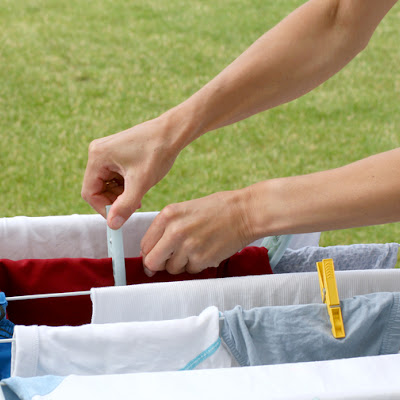
Air-drying laundry feels like the responsible thing to do. It saves energy. It’s gentler on clothes. Your grandma did it. What could possibly go wrong?
Turns out, a lot. Some of the stuff you’re draping over that rack or hanging on the line is actively being ruined by the very method you thought was protecting it. And the damage isn’t always obvious right away — it creeps in over weeks and months until one day your favorite comforter smells like a damp basement and your jeans feel like cardboard.
I talked to the research, dug into the expert opinions, and came away genuinely surprised. Here are the items that should never be air-dried — and what’s actually happening to them when you skip the dryer.
Bath Towels Turn Into Sandpaper
This one stung a little because I’ve been air-drying towels for years, convinced I was somehow extending their life. Nope. I was just making them worse.
When towels air-dry, the terry cloth fibers stiffen up and lay flat against each other. That’s what gives you that crunchy, almost scratchy feeling — like drying off with a sheet of light-grade sandpaper. The tumbling action of a dryer physically fluffs those fibers back up, keeping the towel soft and absorbent. Without it, you’re left with something that feels like it belongs in a budget motel from 1987.
But here’s the part that really matters: towels are thick. Really thick. And that means they take a long time to dry completely when left on a rack or line. According to laundry professionals, bath towels and mats are prone to building mold and mildew fast precisely because of that extended drying window. If your bathroom doesn’t have great ventilation — and let’s be honest, most American bathrooms are basically closets with plumbing — you’re creating a breeding ground.
The same goes for bath mats, especially the ones with rubber backing. Those rubber-backed mats can’t go in the dryer either (the rubber crumbles and can become a fire hazard), so you’re stuck in a lose-lose situation. The best move? Lay them flat in a well-ventilated area and flip them halfway through. But towels? Just throw them in the dryer. Your skin will thank you.
Down Comforters and Jackets Are Getting Destroyed From the Inside Out
This is the one that surprised me most. Down — the fluffy stuff inside your puffy jacket and that expensive comforter you bought at Target — absolutely cannot air-dry properly. And the reason is almost invisible.
When down gets wet, the feathers clump together into dense little knots. If you hang a down jacket on a hanger or lay a comforter over a rack, those clumps just… stay clumped. The outside fabric might feel dry to the touch within a day, but the interior is still holding moisture. Jerry Pozniak, managing director of Jeeves New York with over 40 years in clothing care, says air-drying changes the texture and feel of down items because you need the tumbling airflow of a dryer to separate those feathers back out.
And here’s where it gets gross: because the inside stays damp for so long, down items can develop mold you can’t even see. You’ll know it’s there, though, because of the smell. That funky, musty odor coming from your comforter? That’s not “just how it smells after washing.” That’s mildew. You’re sleeping in it.
The fix is simple: dry down items in the dryer on low heat. A lot of people toss in a few clean tennis balls to help break up the clumps while the dryer tumbles. If your home dryer is too small for a king-size comforter, hit up a laundromat with commercial-sized machines. It’s worth the $5 in quarters.
Your Jeans Are Stiff for a Reason (and It’s Not a Good One)
I know people who swear by air-drying jeans. The logic seems sound: denim shrinks in the dryer, so hanging them up preserves the fit. And yeah, there’s some truth to that — high heat can shrink denim. But the trade-off is wearing jeans that feel like they were starched at a dry cleaner’s from the 1950s.
Denim is a heavy, tightly woven cotton fabric, and when it air-dries, the fibers lock into a rigid position. That stiffness isn’t just uncomfortable — it actually puts more stress on the fabric at the knees, seat, and thighs every time you move, which can accelerate wear in those spots. So you’re avoiding the dryer to preserve your jeans… and potentially wearing them out faster anyway.
There’s also the smell issue. If your apartment or laundry room isn’t well ventilated, air-drying jeans can trap that damp odor right into the fabric. You know that slightly sour smell some jeans get? That’s moisture that never fully escaped.
The smartest approach, according to the pros, is a hybrid method. Toss your jeans in the dryer on low heat for about ten minutes — just enough to soften the fibers and drive out excess moisture. Then hang them by the waistband with clothespins or clip hangers to finish drying. You get the softness without the shrinkage. Best of both worlds.
Heavy Fabrics Are Literally Stretching Themselves to Death
Grab your heaviest hoodie. Now imagine it soaking wet — it probably weighs three or four times what it does dry. Now picture that thing hanging from a thin wire hanger or draped over the top bar of a drying rack. All that water weight is pulling straight down, and the fabric is stretching under the load.
This is a real problem with heavy sweatshirts, sweatpants, thick blankets, and especially heavy jackets. When you hang a wet jacket by its shoulders, the fabric at the shoulder seams starts to sag and stretch. Over time, you get those weird bumps at the shoulders that won’t smooth out no matter what you do. The garment’s shape is permanently altered. That North Face jacket you spent $200 on now fits like a hand-me-down from your bigger cousin.
The same physics apply to knitwear. Wool sweaters, cashmere scarves, acrylic knits — if you hang them up wet, gravity is going to have its way with them. Sleeves stretch, hems droop, and the whole garment starts to look like it belongs on a scarecrow.
The proper technique, if you absolutely must air-dry heavy items, is to lay them flat on a clean, dry towel or a padded drying rack. Spread the weight evenly. Flip them halfway through. And if they’re still a little stiff when they’re almost dry, give them ten to fifteen minutes in the dryer on low just to soften things up. Don’t skip that last step — it makes a real difference.
Embellished and Beaded Clothing Is One Drip Away From Disaster
Here’s where things get tricky. Beaded tops, sequined dresses, anything with glued-on embellishments — these items can’t go in the dryer (the heat and tumbling will rip them apart), but they also can’t be air-dried the way most people do it.
If you hang an embellished garment while it’s still dripping wet, the combined weight of the water and the beadwork can stretch the fabric, tear delicate seams, or rip embellishments right off. Sequins and beads are often attached with thread or adhesive that weakens when wet. Add the downward pull of gravity, and you’ve got a recipe for ruined formalwear.
The correct way to handle these pieces is to gently squeeze out excess water (don’t wring — squeeze), then lay the item flat on a dry towel with enough room for air to circulate around it. Don’t bunch it up. Don’t fold it. Give it space to breathe. Pozniak says that as long as conditions are right — room temperature below 75 degrees Fahrenheit and decent ventilation — mold won’t form during a normal overnight drying period. It takes about 48 hours in warm, humid conditions for mold to start growing, so you have a reasonable window if you do it right.
That said, if you’re air-drying anything indoors, keep an eye on the humidity in the room. According to apparel expert Courtney Barriger, owner of ReFashion Workshop, the biggest concern with indoor air-drying is the spike in moisture levels throughout your living space. All that water evaporating off your clothes has to go somewhere, and if it’s going into the air of a small, poorly ventilated room, you’re inviting mold and mildew — not just on your clothes, but on your walls and ceiling too.
A cheap dehumidifier or even just cracking a window and pointing a fan at the rack can make a huge difference. It’s a small step that most people skip entirely.
The Bigger Picture: Your Dryer Isn’t Always the Enemy
There’s been a big cultural push toward air-drying everything. It saves electricity. It’s gentler. It’s what they do in Europe — dryer ownership rates in the UK hover around 58 percent, and in Germany it’s just 42 percent, compared to the near-universal dryer culture in American homes. So it’s easy to feel like the dryer is some kind of fabric-destroying monster.
But it’s not that simple. Some items — swimwear, sneakers, bras, tights, anything with spandex or elastic — should absolutely be air-dried because heat wrecks their stretch and structure. That part of the conventional wisdom is dead-on.
But the idea that air-drying is universally safer or better? That’s just not true. Towels, down items, denim, heavy fabrics, and embellished clothing all suffer in specific, measurable ways from air-drying. Sometimes the dryer — used on the right setting — is the gentler option.
The real takeaway here isn’t “always use the dryer” or “always air-dry.” It’s that laundry isn’t one-size-fits-all, and the item you’re drying should dictate the method, not the other way around. Check the care label. Use low heat when in doubt. And for the love of your own nose, stop air-drying that comforter in the bathroom.

