

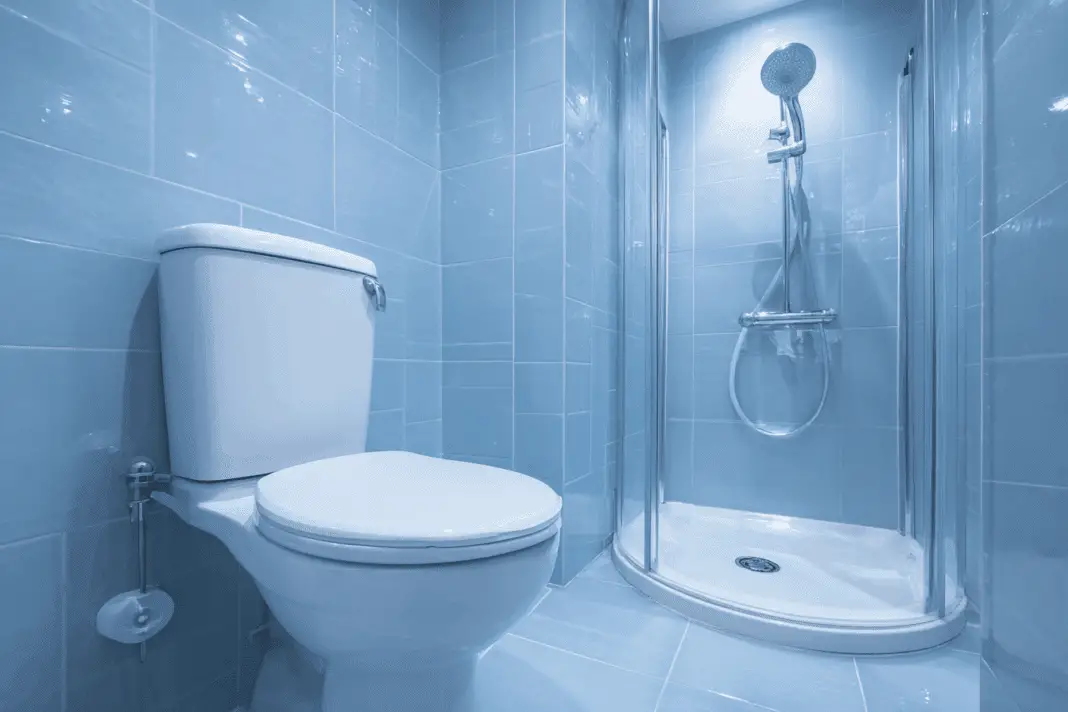
Picture this: you’re enjoying a perfectly warm shower when suddenly the water turns scalding hot or freezing cold. The culprit? Someone just flushed the toilet. This annoying bathroom phenomenon affects millions of households, especially those with older plumbing systems. The sudden temperature change isn’t just uncomfortable – it can be dangerous if the water gets too hot. Understanding why this happens and knowing how to fix it can save you from unpleasant surprises and potential burns.
Your plumbing system creates a water pressure tug-of-war
When someone flushes the toilet while you’re showering, both fixtures compete for the same cold water supply. Most bathrooms have a single cold water line that feeds the shower, bathtub, and toilet. The moment that toilet handle goes down, it demands a large volume of cold water to refill its tank. This sudden demand creates an imbalance in your shower’s water mixture, leaving you with mostly hot water flowing through the showerhead.
The problem becomes more obvious when you realize that pressure drops in the cold water line while hot water continues flowing at full strength. Your shower can’t properly balance the temperature without adequate cold water pressure. This creates that uncomfortable blast of hot water that makes you jump back from the spray. The effect typically lasts until the toilet tank finishes filling and stops demanding cold water from the shared line.
Older homes face bigger temperature swings
Houses built before the 1990s experience more dramatic temperature changes because their plumbing wasn’t designed for simultaneous water use. Older toilet tanks held much more water than modern versions, meaning they pulled away larger amounts of cold water from the shower. The pipes themselves were often smaller in diameter, making it harder to maintain adequate pressure for multiple fixtures running at the same time.
Older shower heads also had higher flow rates, making the hot-cold water imbalance more extreme and noticeable. Add in decades of mineral buildup inside the pipes, and the effective diameter becomes even smaller. This combination creates the perfect storm for sudden temperature changes that can range from mildly annoying to dangerously hot. Many homeowners in older houses have learned to warn family members before flushing, but that’s not a permanent solution.
Modern building codes prevent this problem
Since 1990, building codes have required pressure-balancing or thermostatic mixing valves in new shower installations. These smart valves automatically adjust to maintain consistent temperature even when water pressure fluctuates. The Building Officials and Code Administrators International made this requirement standard to prevent scalding injuries, especially in homes with children or elderly residents.
Homes built in the last 20 years rarely experience the toilet-flushing temperature problem because their shower faucets include built-in pressure balancing technology. These modern fixtures contain internal parts that self-adjust when they detect pressure changes in either the hot or cold water lines. While this sometimes reduces overall water pressure slightly, it eliminates those shocking temperature spikes that can turn a relaxing shower into an unpleasant experience.
Pressure-balancing valves offer the best solution
Installing a pressure-balancing valve represents the most effective way to stop toilet flushes from affecting your shower temperature. These valves work by monitoring the pressure in both hot and cold water lines, automatically reducing hot water flow when cold water pressure drops. The result is consistent temperature regardless of what other fixtures are being used throughout the house.
Many homeowners unknowingly solve this problem when they replace old shower fixtures with modern ones that include pressure balancing as a standard feature. If your current faucet is less than 20 years old but still experiences temperature fluctuations, it might need a new cartridge rather than complete replacement. These internal cartridges are designed to be replaced periodically as they wear out from regular use.
Thermostatic mixing valves provide superior temperature control
For even better temperature stability, thermostatic mixing valves regulate water based on actual temperature rather than just pressure. These advanced valves contain a thermostatic element that expands and contracts with temperature changes, automatically adjusting the hot and cold water mixture to maintain your desired temperature. They’re particularly useful in homes with unpredictable water flow or multiple bathrooms.
Thermostatic valves cost more than pressure-balancing options but offer superior performance, especially in larger homes where water pressure can vary significantly. They respond faster to temperature changes and maintain more precise control, making them ideal for families with young children or elderly members who are more vulnerable to scalding. Professional installation ensures proper calibration and optimal performance from these sophisticated mixing systems.
Pipe diameter affects water pressure distribution
The size of pipes feeding your bathroom plays a crucial role in preventing temperature fluctuations. Ideally, a larger diameter pipe should run all the way to the bathroom, then split into smaller pipes to supply individual fixtures. When a smaller-diameter pipe tries to feed both the shower and toilet simultaneously, it can’t maintain adequate pressure for both fixtures.
Professional plumbers often recommend upgrading to larger supply lines when renovating older bathrooms. A proper setup involves running a 3/4-inch pipe to the bathroom, then splitting it into 1/2-inch pipes for individual fixtures. This configuration ensures each fixture receives adequate water pressure without compromising the others. However, this type of upgrade requires significant plumbing work and should be handled by experienced professionals.
Multiple fixtures can compound the problem
The toilet isn’t the only fixture that can disrupt your shower temperature. Running the dishwasher, starting a load of laundry, or even someone washing their hands can create similar pressure imbalances. The more fixtures that share the same water supply lines, the greater the potential for temperature fluctuations during your shower.
Understanding which appliances affect your shower helps you plan around them or prioritize plumbing upgrades. Some households notice that the washing machine has an even bigger impact than toilet flushing because it demands large volumes of both hot and cold water. Kitchen appliances like dishwashers can also cause problems, especially during their initial fill cycles when they draw significant amounts of hot water from the same system feeding your shower.
Dealing with sudden shower temperature changes doesn’t have to be a permanent part of your daily routine. Whether you choose modern pressure-balancing valves, coordinate household water usage, or upgrade your entire plumbing system, solutions exist for every budget and situation. The key is understanding that this common problem has practical fixes that can make your showers consistently comfortable and safe for everyone in your household.

