

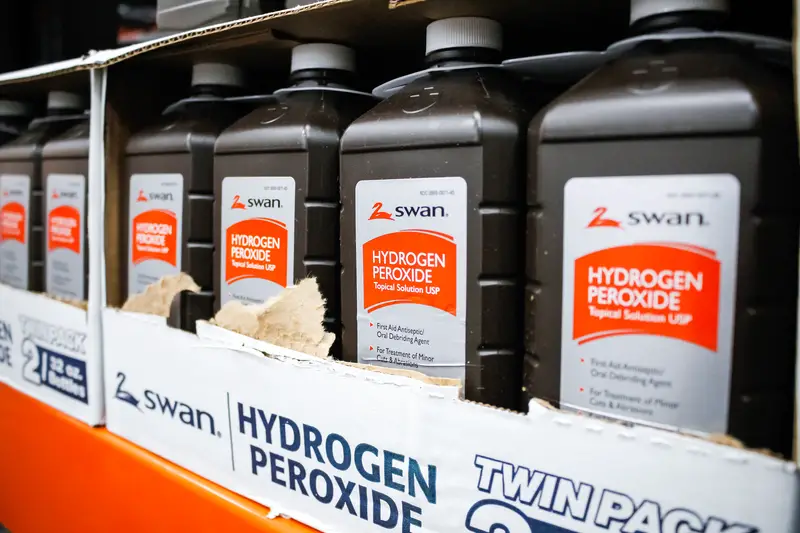
That brown bottle sitting in your medicine cabinet might be wasting its potential. While hydrogen peroxide has fallen out of favor for treating cuts and scrapes, it’s actually one of the most effective and affordable cleaning solutions you can use in your bathroom. At less than two dollars per bottle, this humble household staple can tackle everything from stubborn soap scum to creeping mold without exposing you to harsh chemical fumes. The best part? It works just as well as those expensive specialty cleaners that cost ten times as much. Here’s everything you need to know about putting hydrogen peroxide to work in your shower.
Soap scum doesn’t stand a chance against this simple spray
That cloudy film covering your shower doors and tile isn’t just unsightly—it’s also surprisingly stubborn. Regular cleaners often require serious elbow grease to make any progress, leaving you exhausted after what should be a simple cleaning task. Hydrogen peroxide changes the game by breaking down soap scum at the molecular level, making it effortless to wipe away. The secret lies in its oxidizing properties, which essentially destroy the bonds holding that grimy residue together. Simply spray hydrogen peroxide directly onto affected surfaces and let it sit for at least ten minutes.
For particularly stubborn buildup, you can boost the cleaning power by sprinkling baking soda over the sprayed area. The combination creates a fizzing reaction that loosens even the most hardened soap scum, making your scrubbing efforts far more effective. After letting this mixture work its magic, grab a non-abrasive sponge and watch as the residue practically slides off your shower surfaces. The entire process leaves your bathroom looking freshly renovated without requiring the kind of intense scrubbing that leaves your arms aching. Best of all, you won’t be choking on chemical fumes while you clean.
Mold and mildew finally meet their match
Those dark spots creeping along your grout lines and silicone caulking represent more than just an aesthetic problem. Mold and mildew thrive in the warm, humid environment of your shower, spreading quickly if left unchecked. Traditional bleach-based cleaners can tackle these fungi, but they also fill your bathroom with overwhelming fumes and can damage certain surfaces over time. Hydrogen peroxide offers a gentler alternative that’s just as effective at killing mold, bacteria, and fungi by destroying their cellular structure. The 3% solution you find at any drugstore contains enough strength to eliminate these unwanted growths without harsh side effects.
For targeting specific problem areas, try soaking a cotton pad or paper towel with hydrogen peroxide and laying it directly on the moldy spots. Let it sit for 30 to 60 minutes to give the solution time to penetrate and kill the mold at its roots. Afterward, use a hard-bristled brush to scrub away the dead mold, which should come off much easier than before. This targeted approach works particularly well on grout lines and along the edges where your shower meets the tub. Regular treatments can prevent mold from returning, keeping your bathroom healthier and cleaner.
Storing it properly makes all the difference
You might wonder why hydrogen peroxide always comes in those distinctive dark brown bottles at the store. Light exposure causes hydrogen peroxide to break down rapidly, losing that extra oxygen molecule that makes it such an effective cleaner. Once that oxygen is gone, you’re left with plain water that won’t do much beyond rinsing away loose dirt. This stability issue explains why proper storage becomes critical if you want your cleaning solution to actually work. Transferring your hydrogen peroxide into an opaque spray bottle protects it from light while making application much easier than pouring from the original container.
Dark-colored spray bottles keep your hydrogen peroxide stable and ready for action whenever you need it. If you’re unsure whether your bottle has lost its effectiveness, there’s a simple test you can perform. Pour or spray a small amount onto your shower floor and watch for fizzing—if you see bubbles forming, the solution is still active and ready to clean. If nothing happens, the hydrogen peroxide has broken down and it’s time to replace it with a fresh bottle. Since these bottles cost less than two dollars at most stores, replacing them regularly won’t break your budget while ensuring you always have effective cleaning power on hand.
Cleaning in the dark actually works better
This tip might sound counterintuitive since most people prefer cleaning during daylight hours when they can see what they’re doing. However, hydrogen peroxide performs significantly better when it’s allowed to work in darkness rather than bright light. The same light sensitivity that requires dark storage bottles also affects how well the solution cleans your surfaces. When exposed to light during application, hydrogen peroxide begins breaking down immediately, reducing its effectiveness before it has time to tackle tough stains and kill bacteria. Cleaning in low light or darkness allows the solution to maintain its full strength throughout the entire cleaning process.
Try spraying your shower with hydrogen peroxide before bed, then leaving it overnight with the bathroom lights off. In the morning, you can scrub and rinse away the solution to reveal dramatically cleaner surfaces. This overnight method gives the hydrogen peroxide maximum contact time in optimal conditions, allowing it to break down mold, mildew, and soap scum more thoroughly. The difference might seem small in theory, but in practice you’ll notice much better results when you let hydrogen peroxide work its magic in the dark. Your shower will look noticeably brighter and cleaner with minimal effort on your part.
Grout brightening happens without scrubbing your arms off
Few things make a bathroom look dingier than discolored grout lines, yet cleaning them traditionally requires hours of tedious scrubbing with a small brush. The porous nature of grout makes it particularly susceptible to staining and discoloration, absorbing dirt and grime over time until it looks permanently gray or brown. Bleach can whiten grout but also weakens it gradually, potentially leading to crumbling and costly repairs down the line. Hydrogen peroxide offers a safer alternative that brightens grout effectively without causing structural damage. The solution penetrates into the porous surface, lifting stains from within rather than just cleaning the top layer.
Spray hydrogen peroxide generously along your grout lines and let it sit for at least ten minutes—longer for heavily stained areas. The solution works continuously during this waiting period, breaking down the compounds causing discoloration without requiring any effort from you. For extra cleaning power, sprinkle baking soda over the wet grout before the hydrogen peroxide dries. The fizzing reaction helps lift embedded dirt while providing a gentle abrasive when you do scrub. After the waiting period, a quick pass with a brush removes loosened grime, revealing noticeably brighter grout that looks years younger.
Your shower head gets descaled without soaking overnight
Hard water deposits gradually clog shower heads, reducing water pressure and creating uneven spray patterns that make showering less enjoyable. The standard solution involves removing the shower head and soaking it overnight in vinegar, which works but requires planning ahead and leaves you without a functioning shower until the next day. Hydrogen peroxide offers a faster alternative for tackling mineral buildup and soap residue on shower heads. Simply spray it directly onto the shower head, making sure to cover all visible surfaces including the spray nozzles. The solution begins breaking down deposits immediately, loosening them enough that a simple wipe with a sponge removes most buildup.
While hydrogen peroxide might not completely remove years of heavy mineral deposits in a single treatment, it makes a noticeable difference in appearance and function within minutes. Regular treatments prevent buildup from accumulating in the first place, maintaining better water pressure and spray patterns over time. The quick application process means you can clean your shower head as part of your regular bathroom cleaning routine rather than treating it as a separate project requiring special preparation. Your shower head will look cleaner and perform better without the hassle of disassembly and overnight soaking.
Shower curtains and liners stay fresh longer
Plastic shower curtains and liners develop that characteristic pink or orange discoloration along the bottom edge, caused by bacteria and mold growing in the constantly damp environment. Most people simply replace their shower curtains when they get too gross, but this creates unnecessary waste and expense. Hydrogen peroxide can extend the life of your shower curtain significantly by killing the bacteria and mold causing discoloration and unpleasant odors. Spray the affected areas liberally and let the solution sit for at least ten minutes before rinsing thoroughly with warm water. The antimicrobial properties of hydrogen peroxide eliminate the organisms causing problems without damaging the curtain material.
For fabric shower curtains, you can add hydrogen peroxide directly to your washing machine for a thorough cleaning that removes stains and kills bacteria throughout the entire curtain. Use about a cup of hydrogen peroxide in addition to your regular detergent and run a normal wash cycle. The curtain emerges looking and smelling much fresher without any harsh chemical residue. Regular treatments with hydrogen peroxide help prevent buildup before it becomes visible, keeping your shower curtain presentable for much longer. This simple maintenance step saves money while reducing the amount of plastic waste heading to landfills.
Glass doors sparkle without streaks or residue
Glass shower doors showcase every water spot, soap residue, and mineral deposit, making them particularly challenging to keep clean. Commercial glass cleaners often leave streaks or require multiple applications to achieve acceptable results. Hydrogen peroxide provides a simpler solution that leaves glass genuinely clean without streaking or residue. The solution cuts through soap scum and mineral deposits while evaporating cleanly without leaving behind the filmy residue common with some commercial cleaners. Simply spray hydrogen peroxide directly onto your glass shower doors and let it sit for a few minutes to break down whatever’s making them cloudy.
Wipe the doors clean with a lint-free cloth or even crumpled newspaper for a streak-free finish that rivals any commercial glass cleaner. The clarity you’ll achieve makes it obvious just how dirty the glass was before, even if it didn’t look terrible to begin with. Regular cleaning with hydrogen peroxide prevents buildup from accumulating to the point where it requires serious scrubbing to remove. Your glass doors will stay clearer longer, making your entire shower look newer and more inviting. The lack of chemical smell makes this cleaning method much more pleasant than using ammonia-based glass cleaners in the confined space of your bathroom.
Tile floors get disinfected along with everything else
The floor of your shower sees constant exposure to soap, shampoo, body oils, and whatever else washes off during bathing. This combination creates a breeding ground for bacteria and makes the floor feel slightly slimy even when it looks clean. Mopping with plain water doesn’t address the underlying bacterial growth, while harsh cleaners can be slippery and dangerous if not rinsed thoroughly. Hydrogen peroxide disinfects tile and vinyl shower floors effectively while remaining safe enough that you don’t need to worry about toxic residue. Spray the entire floor surface and use a brush to work the solution into textured or non-slip surfaces where grime tends to hide.
Let the hydrogen peroxide sit for at least ten minutes before rinsing thoroughly with warm water. This contact time allows the solution to kill bacteria and break down the biofilm that makes shower floors feel less than perfectly clean. The oxidizing action eliminates the organisms causing odors and sliminess, leaving your shower floor genuinely clean rather than just visually acceptable. For best results, squeegee or towel-dry the floor after rinsing to prevent water spots and slow down new bacterial growth. Regular treatments keep your shower floor sanitary and pleasant underfoot without requiring expensive specialty cleaners or potentially dangerous chemicals.
Keeping a bottle of hydrogen peroxide in your shower transforms bathroom cleaning from a dreaded chore into a manageable task. This affordable solution tackles everything from soap scum to mold while remaining gentle enough that you won’t choke on fumes or worry about damaging your surfaces. The best part is knowing that for less than the cost of a fancy coffee, you’ve got an effective cleaner that handles multiple jobs without cluttering your space with specialized products. Give it a try and see how much easier maintaining a sparkling clean shower can be.

