

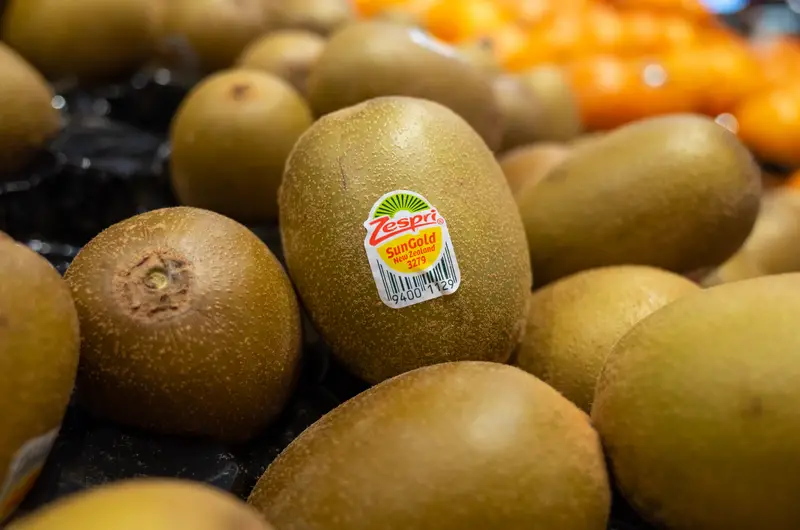
Most people unpack their groceries, grab each piece of fruit, and immediately rip off the little sticker without thinking twice. It feels like the natural thing to do. But that quick, mindless peel might actually be ruining your produce before you even get a chance to enjoy it. Those tiny labels play a bigger role in keeping your fruit fresh than anyone gives them credit for. And beyond freshness, they can cause some surprising problems around the house too.
Removing stickers early makes fruit spoil faster
Think about the last time you peeled a sticker off a ripe peach. Did it come off cleanly, or did it take a little bit of skin with it? That tiny tear might seem like nothing, but it actually kicks off a chain reaction. When the inside of a fruit meets open air, a process called enzymic browning starts. The natural compounds in the fruit react with oxygen, and within minutes, that spot starts turning brown and soft. It is the same reason apple slices go brown if left on the counter too long.
The adhesive on fruit stickers is surprisingly strong. It is designed to survive shipping, cold storage, and grocery store water misters. So when that sticker gets pulled off, it can easily take a bit of the fruit’s protective skin along with it. That exposed spot becomes a soft, mushy patch while the rest of the fruit stays firm. Leave the sticker on until eating time, and the fruit stays protected and fresh much longer.
Thin-skinned fruits are the most at risk
Not every fruit reacts the same way to sticker removal. Peaches, nectarines, and plums have very thin, delicate skin that tears easily. Even a careful, slow peel can leave behind damage that shows up as brown spots within hours. Apples might seem tougher on the outside, but their skin is still thin enough to get pierced during sticker removal. If the fruit is already ripe and a little soft, the chances of damage go way up. These are the fruits where leaving the sticker on really matters.
Bananas are another tricky case. A sticker on a green banana usually peels right off without trouble. But as a banana ripens and develops those brown freckles, the skin gets thinner and more fragile. That makes sticker removal messy and more likely to break through the surface. On the other hand, fruits like mangos, pineapples, and avocados have thick, tough exteriors that can handle sticker removal at any time. If a sticker absolutely has to come off early, stick to the thick-skinned varieties.
Damaged fruit attracts flies and pests
Ever wonder why fruit flies seem to appear out of nowhere? A fruit bowl full of produce with little torn spots and brown patches is basically a welcome mat for them. When you peel stickers off too soon and the fruit starts oxidizing, it develops that mushy texture and sweet, overripe smell. Fruit flies can detect ripening produce from surprisingly far away, and those damaged spots give them exactly what they are looking for. One damaged peach can attract a whole swarm seemingly overnight.
Keeping your fruit stickers on until eating time is one of the easiest ways to avoid this problem. Intact skin acts as a natural barrier that keeps the fruit sealed up and less attractive to unwanted flies and pests. Nobody wants to deal with a cloud of fruit flies in the kitchen, especially in summer. It is a small habit that can save a lot of annoyance. Just leave the stickers alone, and the fruit stays protected in the bowl until it is time to eat.
Those stickers are plastic, not paper
Most people assume fruit stickers are made of paper. That is not the case at all. These little labels are actually made from plastic or vinyl with a layer of adhesive on the back. They are built to survive refrigeration, long truck rides across the country, and constant handling at the grocery store. That is why they do not fall off when the produce gets sprayed with water. The glue uses adhesive polymers that do not dissolve in water, making them stubbornly durable in every situation.
Each sticker contains a price lookup code, or PLU, that tells the cashier what type of fruit is being purchased. There are thousands of different PLU codes for different varieties of produce. So while these stickers serve an important purpose at checkout, they become a problem once the fruit gets home. Since they are made from plastic, they do not break down easily anywhere. That means how and where you dispose of them actually matters quite a bit.
Fruit stickers can clog your kitchen drain
Here is a scenario that happens in kitchens every day. Someone stands at the sink rinsing an apple, the sticker peels off under the running water, and it slides right down the drain. No big deal, right? Actually, plumbers say this is a habit that causes real trouble over time. Because those stickers are plastic with a sticky backing, they do not dissolve or break apart in your pipes. They just sit there, clinging to the inside of the plumbing and collecting other debris.
One sticker alone will not clog a drain. But years of letting them wash away can build up into a serious blockage. Plumber Kelly Russum has explained that people think produce stickers are paper, but the plastic and adhesive stay intact forever in plumbing. The sticky side clings to pipe walls and creates spots where grease and food particles collect. A five-dollar drain strainer in the sink can help catch stickers that slip off, but the best move is removing them before the fruit ever touches the faucet.
They can mess up your garbage disposal too
If a sticker makes it past the drain, the garbage disposal is the next stop. Many people assume a disposal can handle just about anything, but these little labels are a different story. The adhesive makes them stick to the blades and inner walls of the unit. While a single sticker will not jam the disposal right away, multiple stickers building up over time reduce how well the whole thing works. The sticky residue accumulates in spots that are nearly impossible to clean out.
Plumber Shaylin King has noted that stickers get tangled in the disposal mechanism and stuck to the blades. Once there, they trap food particles and grease, making the problem worse and worse. The solution is simple. Remove the sticker from the fruit before turning on the water or the disposal. Toss it in the trash, and keep the disposal running smoothly. It takes two seconds and saves a potentially expensive plumbing call down the road.
Eating a sticker by accident is not dangerous
Everyone has done it at least once. A big bite of an apple, and halfway through chewing, there is an odd rubbery texture that definitely is not fruit. Accidentally swallowing a fruit sticker is not going to cause any harm. The FDA has confirmed that occasionally swallowing one is not a concern. The body will simply pass it through without any issues. It has no nutritional value whatsoever, but it will not hurt anything on its way through the system either.
That said, fruit stickers are not exactly meant to be eaten on purpose. They contain ink, plastic, and adhesive that nobody would want to consume regularly. The FDA considers them safe for accidental consumption but would not recommend making it a habit. So do not panic if one slips by. Just try to remove stickers before eating, and remember the key rule: wait until the fruit is about to be eaten so the skin stays intact. That way, the sticker comes off at the right time every time.
Always rinse the sticky residue off after removal
Once the sticker is finally peeled off right before eating, there is one more step. That spot where the label was sitting usually has a film of adhesive left behind. Run a finger over it and the surface feels slightly tacky, almost like dried glue. This residue can taste odd and has an unpleasant, waxy feeling when bitten into. It can also pick up dust and little fibers from the counter. Nobody wants to bite into an apple and get a mouthful of old sticker glue.
A quick rinse under running water takes care of the problem. Give the spot a gentle rub with a finger to remove any leftover adhesive residue. Some people use a tiny drop of dish soap, though plain water usually does the trick. Just keep in mind that washing fruit might not remove everything from the surface, including wax coatings that some producers apply. But getting that sticky film off makes for a much more pleasant eating experience and ensures the fruit is ready to enjoy.
Fruit stickers belong in the trash, not the compost
After peeling a sticker off, most people toss it on the counter or let it stick to the edge of the sink. But where it ends up actually matters. Fruit stickers do not belong in the recycling bin. Recycling facilities cannot process tiny pieces of plastic and adhesive, and the stickers just contaminate the recycling stream. They should go straight into the regular trash. It takes almost no effort, but a lot of people get this wrong without realizing it.
Compost bins are another place where fruit stickers cause problems. Since they are made of plastic, they will not break down naturally the way banana peels and apple cores do. Toss fruit scraps into compost without removing stickers first, and the finished soil ends up mixed with tiny plastic bits. Before throwing any fruit scraps into the compost pile, peel off the sticker and put it in the garbage. It is a tiny extra step that keeps compost clean and usable for gardening or other purposes.
Something as small as a fruit sticker can affect how long produce stays fresh, whether the kitchen sink drains properly, and how clean a compost bin stays. The simplest fix is to just leave stickers in place until the fruit is about to be eaten, then peel carefully and toss them in the trash. It is one of those tiny kitchen habits that makes a real difference once it becomes routine. Next time those grocery bags hit the counter, resist the urge to peel and let the stickers be.

