

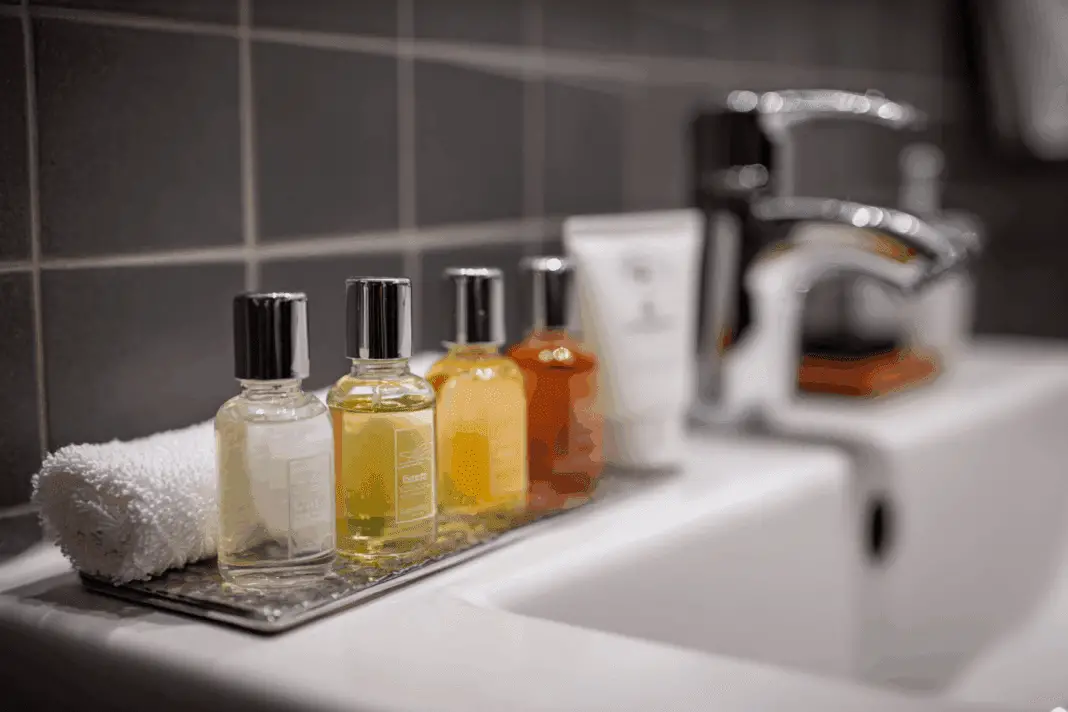
Picture this: you arrive at your hotel room after a long day of travel, ready to freshen up before dinner. The bathroom is stocked with tiny bottles of shampoo, conditioner, body wash, lotion, and even a sewing kit. But when you reach for toothpaste, there’s nothing there. This frustrating scenario plays out in hotel rooms across America every single day, leaving travelers scrambling to find a drugstore or calling the front desk in desperation. The absence of this basic hygiene essential isn’t an oversight – it’s a calculated business decision with surprising reasons behind it.
Toothpaste gets classified as medicine not toiletries
The biggest shock for most people is learning that toothpaste isn’t considered a simple toiletry like shampoo or soap. In the United States, the Food and Drug Administration classifies toothpaste as a drug because it contains fluoride, which prevents cavities. This classification subjects toothpaste to completely different regulations and oversight requirements compared to regular bathroom products. Hotels can freely distribute soap and shampoo without worrying about drug regulations, but toothpaste falls into a more complicated category.
This medical classification creates a bureaucratic nightmare for hotels. While they can easily stock their housekeeping carts with bottles of generic shampoo, toothpaste regulations make distribution much more complex. Hotels must track expiration dates, ensure proper storage conditions, and potentially deal with liability issues if a guest has an adverse reaction. The legal headaches simply aren’t worth it when guests rarely complain about the missing tubes.
Those tiny tubes cost way more than you think
Hotel-sized toiletries might look cheap, but the economics tell a different story. Individual toothpaste tubes cost significantly more per ounce than the bulk shampoo and conditioner that hotels typically provide. A former senior vice president at Gilchrist & Soames, a luxury hotel toiletries brand, explained that regular toiletries have a much lower cost-per-ounce, giving hotels maximum value for their money. When you’re outfitting thousands of rooms across multiple properties, those pennies add up to substantial savings.
The packaging itself presents another cost challenge. Unlike liquid toiletries that can be produced in various container sizes, toothpaste tubes require specialized manufacturing for travel sizes. Hotels can’t simply buy regular-sized toothpaste and repackage it like they might with other products. This specialized manufacturing drives up costs and makes toothpaste a less attractive option for budget-conscious hotel operators looking to maximize their amenity spending.
Refillable bottles work but toothpaste tubes don’t
Many hotels operate on what insiders call the “vat theory” – they maintain large containers of shampoo, conditioner, and other liquid products in their housekeeping areas. Staff members simply refill the small bottles when they run low, similar to how a bartender might tap a keg. This system allows hotels to buy products in bulk at wholesale prices while maintaining the appearance of providing individual amenities to each guest. The economics make perfect sense for liquid products.
Toothpaste completely breaks this efficient system because you can’t refill a collapsible tube. Once a guest uses toothpaste, that container is done – there’s no way to top it off or reuse it for the next visitor. This means hotels would need to provide a completely fresh tube for every single guest, rather than simply refilling existing containers. The inability to refill tubes destroys the cost-effective model that makes other toiletries financially viable for hotels.
Guests get picky about their toothpaste brands
Unlike shampoo or soap, where most people will happily use whatever generic brand the hotel provides, toothpaste preferences run much deeper. Some guests swear by whitening formulas, others need sensitive teeth protection, and many people stick religiously to specific brands they’ve used for years. Hotels realize that providing a generic mint toothpaste might actually disappoint guests who have strong preferences about their oral care products. It’s easier to provide nothing than to provide something that might not meet expectations.
This pickiness extends beyond just brand loyalty to include specific formulations and flavors. While most people will use any shampoo for a night or two, oral care feels more personal and intimate. Hotel executives have found through consumer research that guests simply don’t ask for toothpaste the way they might request extra towels or toiletries. Most travelers pack their own toothpaste anyway, making it a lower priority amenity.
Hotel rating systems ignore toothpaste completely
When AAA inspectors visit hotels to assign their coveted diamond ratings, they’re not checking bathroom drawers for toothpaste. The official rating guidelines require five-diamond hotels to provide two kinds of soap, shampoo, an additional bottled item like suntan lotion, a hair dryer, a sewing kit, and a shower cap. Toothpaste doesn’t appear anywhere on the mandatory list – it’s merely suggested, not required. Hotels focus their amenity budgets on items that actually impact their ratings and reputation.
This creates a self-perpetuating cycle where toothpaste remains absent from hotel rooms. Since rating systems don’t require it, hotels don’t provide it. Since hotels don’t typically provide it, rating systems don’t expect it. The absence becomes normalized across the entire industry, with each property following the established standard rather than trying to stand out with additional oral care amenities.
Marriott tested 52 different products but skipped toothpaste
Major hotel chains invest serious time and money into selecting their amenity packages. Marriott famously tested 52 different brands of shampoo, conditioner, body gel, lotion, and soap before settling on their current lineup. This exhaustive process involved guest feedback, cost analysis, and brand positioning considerations. Yet even with all that research and testing, toothpaste never made it into the evaluation process. The chain determined that some products are simply too costly to provide in each room.
The testing process reveals how seriously hotels take their toiletry selections, but also highlights toothpaste’s absence from consideration. Hotel executives focus their energy on products that guests actually use and appreciate, rather than items that might sit unused on bathroom counters. The extensive research consistently shows that guests don’t prioritize toothpaste availability when choosing hotels or rating their stays.
Asian hotels include toothpaste as a standard amenity
Travel to Asia and you’ll find a completely different approach to hotel amenities. Dental kits containing toothpaste and toothbrushes come standard in hotel rooms across Japan, China, and other Asian countries. These aren’t luxury properties – even budget hotels typically provide basic oral care supplies. The cultural expectation is that hotels should offer everything a guest might need for basic hygiene, including dental care. Some Japanese hotels even provide innovative “toothpaste paper” that uses 98% less plastic than traditional tubes.
This regional difference highlights how cultural expectations shape hotel amenities more than actual costs or regulations. Asian hotels have normalized toothpaste provision, making it an expected part of the guest experience rather than an optional extra. North American and European hotels have simply evolved different standards, focusing their amenity budgets on other items that align with regional guest expectations and preferences.
Most hotels will give you toothpaste if you ask
Here’s the secret that most travelers don’t know: many hotels actually stock toothpaste behind the scenes and will provide it upon request. Marriott, Sheraton, and other major chains typically keep small tubes available at the front desk for guests who forgot to pack their own. You just need to call and ask. The housekeeping staff often carries emergency supplies for situations exactly like this, treating toothpaste similar to extra pillows or blankets – available when needed but not automatically provided.
The on-demand approach allows hotels to satisfy the small percentage of guests who actually need toothpaste without stocking every room with tubes that mostly go unused. Front desk staff are usually happy to send up emergency toiletries, including toothpaste, toothbrushes, razors, and other items that didn’t make it into standard room amenities. This system keeps costs down while still providing customer service for travelers who find themselves without essential items.
The absence of toothpaste from hotel rooms results from a perfect storm of regulatory complications, cost considerations, and guest behavior patterns. While it might seem like an obvious oversight, hotels have calculated that the expense and hassle of providing toothpaste outweigh the benefits. Most travelers pack their own anyway, and those who forget can usually get emergency supplies from the front desk. Until guest demands change or the economics shift significantly, that empty spot on the bathroom counter will likely remain unfilled.

