

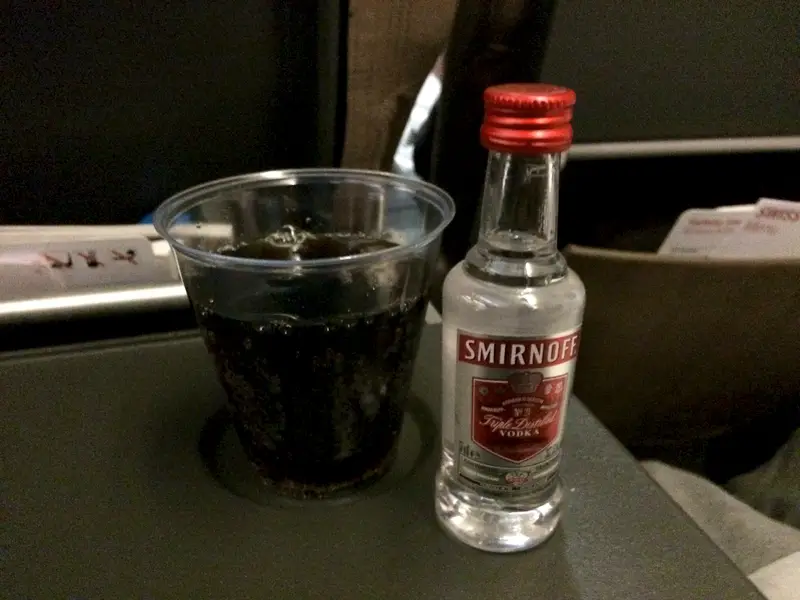
Most people think having a drink or two on a plane is harmless. Maybe you want to relax before a long flight, or you’re celebrating the start of a vacation. Either way, it seems like a normal thing to do. But scientists have found that drinking alcohol while flying can actually affect your body in ways you probably didn’t expect. The combination of altitude, cabin pressure, and alcohol creates conditions that can mess with your heart rate and oxygen levels. Even if you’re young and healthy, your body has to work harder than usual when you mix drinks with air travel.
Your blood oxygen drops to worrisome levels
When you’re sitting in an airplane at cruising altitude, the cabin pressure is set to mimic conditions at about 6,000 to 8,000 feet above sea level. This means there’s less oxygen available with each breath you take compared to being on the ground. Your body adapts to this, but it’s already working a bit harder than normal. Normally, healthy adults have blood oxygen saturation levels between 95 and 100 percent. At airplane cabin pressure without any alcohol, that number typically drops to around 88 percent during sleep, which is getting close to concerning levels.
Add alcohol into the mix, and things get worse. A study from the German Aerospace Center found that people who drank the equivalent of two beers or two glasses of wine before sleeping in conditions that mimicked airplane cabin pressure had their blood oxygen levels drop to an average of 85 percent. That’s below 90 percent, which doctors consider worrisome. Your body isn’t getting enough oxygen to work properly at that point. Even though you might not feel any different right away, your cardiovascular system is under real stress trying to compensate for the lower oxygen availability.
Your heart has to work much harder
When your blood oxygen levels drop, your heart doesn’t just sit there and accept it. It starts beating faster to try to move more blood around your body and compensate for the oxygen shortage. In the same study, researchers found that people who drank alcohol at normal ground-level pressure had an average heart rate of about 77 beats per minute during sleep. That’s pretty normal. But people who drank the same amount of alcohol in airplane cabin conditions saw their heart rate jump to nearly 88 beats per minute on average while sleeping.
That might not sound like a huge difference, but it adds up over several hours. Your heart is working overtime throughout your entire flight, pumping faster to try to deliver oxygen to your tissues. For young, healthy people, this probably won’t cause immediate problems. But for anyone with existing heart disease or circulation issues, this combination could be genuinely dangerous. Dr. Deepak Bhatt, director of the Mount Sinai Fuster Heart Hospital, said the combination of effects described in the study could potentially trigger heart attacks or strokes in people with cardiovascular disease.
Dehydration becomes a bigger problem
Airplane cabins are incredibly dry environments. The humidity level inside most commercial aircraft is much lower than what you’d experience on the ground, even in dry climates. This alone can leave you feeling parched and dehydrated after a few hours in the air. Your body loses moisture through your breath and skin at a faster rate than usual. Most people don’t drink enough water during flights to keep up with this increased fluid loss, which is why you often feel dried out when you land.
Alcohol makes this situation significantly worse because it’s a diuretic. That means it makes your body flush out more fluids than you’re taking in. When you combine the naturally dehydrating environment of an airplane cabin with alcohol’s diuretic effects, you end up in a state of dehydration much faster than you would on the ground. This dehydration affects everything from how you feel to how your blood flows. It can contribute to blood clots, make you feel more tired, and set you up for a worse hangover once you land.
The sleep you get isn’t actually restful
Many people specifically drink alcohol on planes because they want to fall asleep. And yes, alcohol does make you feel sleepy initially. You might drift off faster after having a drink or two. But the sleep you get after drinking alcohol is not quality sleep. Alcohol disrupts your normal sleep cycles, particularly affecting the deep sleep and REM sleep stages that your body needs to feel truly rested. These are the stages where your body does most of its recovery and repair work.
The German research team found that drinking alcohol in airplane cabin conditions reduced the time people spent in deep and REM sleep. So even if you manage to sleep for a few hours, you wake up feeling less refreshed than you would have without the alcohol. Add in the normal disruptions of airplane travel, like turbulence, noise from other passengers, and uncomfortable seating, and you’re setting yourself up for poor quality sleep. This can make jet lag worse and leave you feeling exhausted when you arrive at your destination, which is exactly the opposite of what most people want.
Blood clot risks increase when you drink
Sitting still for hours in a cramped airplane seat already puts you at a slightly higher risk for blood clots in your legs. This condition, called deep vein thrombosis, happens when blood flow slows down in your veins because you’re not moving around. The longer the flight, the higher the risk becomes. Most people know they should get up and walk around during long flights or at least flex their feet and legs regularly to keep blood flowing properly.
But drinking alcohol while sitting still for hours makes the blood clot risk even higher. The dehydration caused by alcohol thickens your blood slightly, making it more likely to clot. The lower oxygen levels in your blood also contribute to clot formation. When you combine dehydration and low oxygen with prolonged sitting, you’re stacking risk factors on top of each other. For most healthy people, the absolute risk is still low. But for anyone with circulation problems, a history of blood clots, or other risk factors, drinking on a plane could push things into dangerous territory.
Hangovers hit harder after flying
If you’ve ever had a couple of drinks on a plane and then felt terrible the next day, you weren’t imagining things. Hangovers after drinking on planes are genuinely worse than hangovers from drinking the same amount on the ground. The combination of cabin pressure, severe dehydration, and lower oxygen levels during the flight all contribute to making you feel worse. Your body is already stressed from the flight itself, and alcohol just adds to that stress.
The headaches tend to be stronger, nausea can be more intense, and the overall fatigue is worse. This can completely ruin the first day or two of your trip. Instead of being excited and energized to start your vacation, you’re stuck feeling sick and exhausted. The cabin pressure combined with dehydration creates the perfect storm for a miserable hangover. It’s not worth sacrificing your trip just to have a few drinks during the flight. You’ll have plenty of time to enjoy drinks once you land and your body is back in normal conditions.
People with existing conditions face serious risks
While healthy young adults might escape without major consequences from drinking on a plane, people with pre-existing conditions are playing with fire. Anyone with cardiovascular disease, chronic obstructive pulmonary disease, or other respiratory conditions should be especially careful. These individuals already have compromised oxygen delivery or heart function, and adding alcohol at altitude can push their systems past safe limits. The drop in oxygen saturation to 85 percent could cause real problems for someone whose baseline oxygen levels are already lower than normal.
Dr. Eva-Maria Elmenhorst, who led the German research, said she was surprised at how strong the effect was. She now recommends that people avoid drinking alcohol on airplanes entirely, even if they’re healthy. For people with chronic conditions, the recommendation is even stronger. The decreased oxygen saturation combined with increased heart rate could trigger serious medical events. It’s simply not worth the risk when you’re trapped in an airplane cabin far from emergency medical care.
Even drinking before boarding affects you
Some people think they can get around these problems by drinking in the airport before they board rather than drinking on the plane itself. But alcohol stays in your system for hours, and you’ll still be dealing with its effects once you’re in the air at cruising altitude. If you have a couple of drinks at the airport bar and then board your flight, you’ll experience the same drops in oxygen saturation and increases in heart rate once the plane reaches altitude. The timing doesn’t really protect you from the problematic combination of alcohol and reduced cabin pressure.
Your body needs time to process and eliminate alcohol, usually about one hour per standard drink. So if you have two drinks before boarding, you’re still going to have alcohol in your system for the first couple hours of your flight. You might actually be at peak blood alcohol concentration right when the plane reaches cruising altitude, which is exactly when the oxygen levels are lowest. If you know you have a flight coming up, it’s smarter to wait until you’ve landed and are back in normal conditions before having any drinks.
Scientists say airlines should inform passengers
The researchers who conducted these studies believe that most people have no idea about these risks. Airlines don’t typically warn passengers about the potential problems with drinking alcohol during flights. In fact, they actively sell and serve alcohol on most flights, especially long-haul international routes. The scientists argue that there should be better public awareness about this issue. They suggest that airlines should provide written information about these risks, similar to how they provide safety information.
The problem is that technical and economic constraints make it unlikely that airlines will increase cabin pressure to safer levels. Pressurizing the cabin to ground-level pressure would require significant changes to aircraft design and would increase fuel costs. So the cabin pressure situation isn’t going to change anytime soon. That means the responsibility falls on individual passengers to make informed choices about whether to drink. The research team suggests that public campaigns and patient advocacy groups should help spread awareness about these findings so people can make better decisions about their air travel habits.
The evidence is pretty clear that drinking alcohol on planes creates a combination of effects that stress your body more than most people realize. Your oxygen levels drop lower, your heart works harder, you get more dehydrated, and you don’t sleep as well as you think you do. For people with existing conditions, the risks are even more serious. The good news is that avoiding these problems is simple. Just skip the drinks during your flight and save them for after you land. Your body will thank you, and you’ll feel much better when you reach your destination.

