

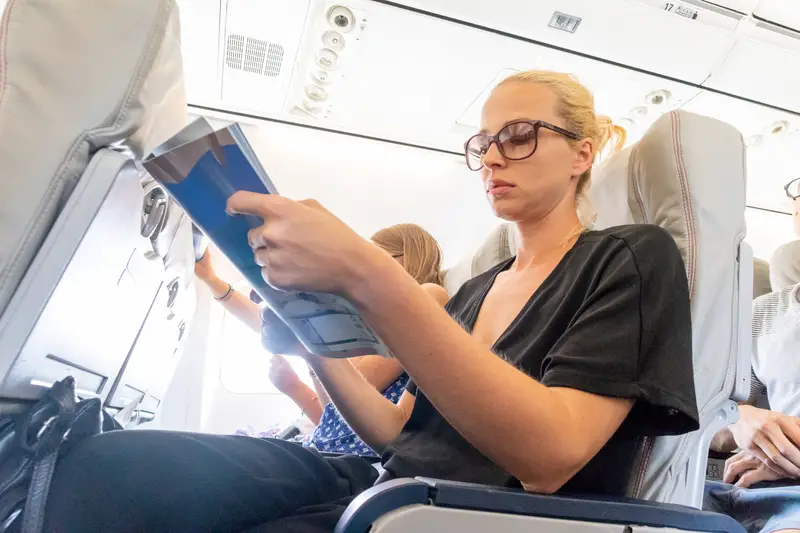
Ever wondered why that eight-hour flight to Europe leaves you feeling like you’ve been hit by a truck? Your body goes through some pretty wild changes when you’re cruising at 30,000 feet for hours on end. From swollen ankles to mysterious headaches, extended air travel puts your system through a gauntlet of physiological challenges that most people never see coming. The pressurized cabin environment creates conditions your body simply wasn’t designed to handle for extended periods.
Dehydration hits harder than expected
The moment you step onto that plane, your body starts losing moisture at an alarming rate. Aircraft cabins maintain humidity levels below 20%, which is significantly lower than the 30% or higher you experience on the ground. This desert-like environment pulls moisture from your skin, throat, and nasal passages faster than you realize. Within the first few hours, you might notice your lips getting chapped, your throat feeling scratchy, and your skin starting to feel tight and uncomfortable.
The low humidity occurs because about half the air circulating in the cabin comes from outside, and at high altitudes, that air contains virtually no moisture. Even mild dehydration can trigger headaches and make you feel lightheaded and fatigued. Skip the coffee and cocktails during your flight since both alcohol and caffeine act as diuretics, making the dehydration worse. Pack an empty water bottle in your carry-on and fill it after security to ensure you have plenty of fluids throughout the flight.
Your legs turn into water balloons
Sitting in those cramped airplane seats for hours creates the perfect storm for leg swelling. Gravity pulls fluid down to your lower extremities, and without regular movement to help pump that fluid back up, it pools in your feet and ankles. This condition, called dependent edema, can make your shoes feel uncomfortably tight by the end of a long flight. Some people’s legs swell so much that they struggle to put their shoes back on when it’s time to deplane.
The real concern isn’t just the uncomfortable swelling – it’s the increased risk of developing deep vein thrombosis or DVT. World Health Organization studies show that flights longer than four hours increase your risk of blood clots by two to three times. Wearing compression stockings, staying hydrated, and getting up to walk around the cabin every couple of hours can help keep your circulation moving. If you notice cramping pain, unusual redness, or persistent swelling in one leg, seek medical attention immediately as these could be signs of a dangerous blood clot.
Your digestive system goes haywire
Long flights can turn your normally reliable digestive system into an unpredictable mess. The combination of cabin pressure changes, dehydration, unfamiliar foods, and prolonged sitting creates what experts call gastrointestinal dysregulation – basically, jet lag for your gut. The gas inside your stomach and intestines expands as the plane climbs to cruising altitude, which explains why you might feel bloated or uncomfortable even before the meal service begins.
Constipation becomes a common problem on extended flights because dehydration hardens your stools while lack of movement slows down your digestive process. The airline meals don’t help much either – they’re often low in fiber and not what your system is used to processing. Pack your own high-fiber snacks like nuts, dried fruits, or whole grain crackers. Try to maintain your normal eating schedule as much as possible, and don’t be afraid to get up and walk around the cabin to keep things moving in your digestive tract.
Your skin becomes ultra-sensitive
That bone-dry cabin air doesn’t just affect your internal systems – it wreaks havoc on your skin too. The low humidity disrupts your skin’s natural protective barrier, leaving it vulnerable to irritation and sensitivity. Existing skin conditions like eczema, rosacea, or acne can flare up during long flights. People with normally calm skin might find themselves dealing with unexpected breakouts or patches of dry, flaky skin that seem to appear out of nowhere.
Sitting in a window seat adds another challenge – you’re exposed to stronger UV rays at altitude than you’d experience on the ground. Apply a broad-spectrum sunscreen before your flight and bring a rich, non-comedogenic moisturizer to reapply every few hours. Pack a hydrating serum with hyaluronic acid in your carry-on for an extra moisture boost. After landing, avoid using harsh skincare products like retinoids or chemical exfoliants for a couple of days to give your skin time to recover from the flight stress.
Your joints start aching inexplicably
Ever notice how your knees, back, or other joints start feeling stiff and achy during a long flight? The changing barometric pressure in the aircraft cabin affects the gases in your joint fluid, similar to how some people feel more joint pain when the weather changes. As the plane climbs and descends, pressure variations can cause discomfort, especially if you already have underlying joint issues like arthritis or previous injuries.
The cramped seating doesn’t help matters. Being stuck in the same position for hours puts extra stress on your spine, hips, and knees. Barometric pressure changes combined with prolonged sitting create a perfect recipe for joint stiffness and pain. Pack a neck pillow and lumbar support to help maintain better posture. Bring any pain medications you normally use, and consider upgrading to an aisle seat so you can stretch your legs and get up more easily. Simple stretches like ankle rolls and calf raises can be done right in your seat to keep your joints moving.
Your ears go through pressure torture
The constant pressure changes during takeoff, cruising, and landing put your ears through a challenging workout. Your eustachian tubes work overtime trying to equalize the pressure between your inner ear and the cabin environment. This process causes that familiar popping sensation, but sometimes the tubes can’t keep up with rapid pressure changes, leading to pain, muffled hearing, or a feeling like your ears are stuffed with cotton.
These pressure imbalances can also contribute to motion sickness as your brain receives conflicting signals about your body’s position in space. Swallowing, yawning, or chewing gum during takeoff and landing helps open your eustachian tubes and relieve pressure. If you’re dealing with a cold or allergies, the inflammation can make it even harder for your ears to adjust, potentially causing significant pain or temporary hearing issues. Consider using a decongestant before flying if you’re congested, but check with your doctor first.
Your energy levels crash completely
Even if you’re not crossing time zones, long flights leave most people feeling absolutely drained. The reduced oxygen levels in pressurized cabins play a major role in this fatigue. Commercial aircraft are pressurized to simulate an altitude of about 8,000 feet, which means you’re getting about 15% less oxygen than you would at sea level. Your body has to work harder to deliver oxygen to your muscles and organs, leaving you feeling tired and potentially short of breath.
The combination of lower oxygen levels, dehydration, and prolonged sitting creates a perfect storm of exhaustion. Add in the stress of travel, disrupted sleep schedules, and unfamiliar surroundings, and it’s no wonder you feel wiped out. Stay hydrated throughout the flight and try to get up and move around regularly to keep your blood flowing. If you’re traveling across just a few time zones for a short trip, try to stick to your home sleep schedule rather than adjusting to the destination time.
Your stress hormones spike dangerously
Long before you even board the plane, your stress levels start climbing. Navigating airports, dealing with security lines, worrying about delays, and managing luggage all trigger your body’s stress response. Once you’re on the plane, the challenges don’t stop – cramped seating, proximity to strangers, turbulence, and the general lack of control over your environment keep your stress hormones elevated for hours.
This prolonged stress response affects everything from your immune system to your digestive health. Planning ahead can help minimize some of these stressors. Pack essential medications in your carry-on bag, alert the airline about any special dietary needs when booking, and arrive at the airport with plenty of time to spare. Bring noise-canceling headphones, a good book, or download some relaxing music to help you stay calm during the flight. Deep breathing exercises and progressive muscle relaxation can also help counteract the stress response.
Your immune system takes a major hit
Contrary to popular belief, the air filtration systems on modern aircraft are actually quite good at removing bacteria and viruses. Most commercial planes use hospital-grade HEPA filters that clean the air very effectively. The real immune system challenge comes from being in close proximity to dozens or hundreds of other people, touching contaminated surfaces like tray tables and armrests, and dealing with the overall stress of travel that weakens your body’s defenses.
The combination of stress, dehydration, and germ exposure makes you more susceptible to picking up illnesses during travel. Pack a small bottle of hand sanitizer and use it frequently, especially after touching common surfaces. Wash your hands thoroughly whenever possible, and consider wearing a mask if you’re particularly concerned about getting sick. Make sure you’re up to date on vaccinations like flu shots, and avoid touching your face during the flight. Getting plenty of rest before your trip and maintaining good nutrition can help keep your immune system strong.
Understanding what happens to your body during extended flights helps you prepare better and minimize the uncomfortable effects. While you can’t completely avoid these physiological changes, staying hydrated, moving regularly, and planning ahead can make your next long-haul flight much more tolerable. Your body will thank you for taking these simple precautions seriously.

