

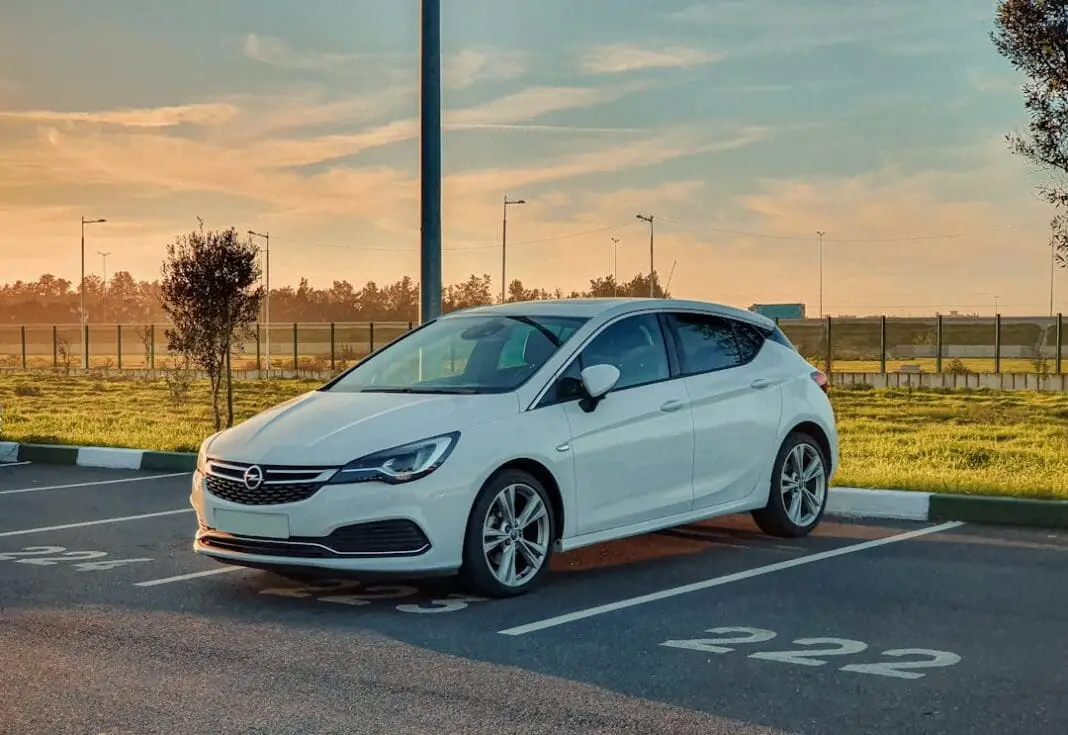
You lock your doors. You roll up your windows. You figure you’re good. But according to law enforcement agencies across the country, where you park your car after the sun goes down matters way more than most people realize. And the spots that seem perfectly fine during the day? Some of them become prime hunting grounds for criminals once it gets dark.
A car is stolen every 37 seconds in the United States. That adds up to over 850,000 vehicles snatched every single year. And while theft numbers have actually been dropping recently (more on that later), the places where these crimes happen tell a very specific story. Police departments from California to North Carolina keep repeating the same warnings, and most drivers keep ignoring them.
Here’s what cops actually want you to know about parking after dark.
The Street You Think Is Fine Probably Isn’t
Public parking options, including roads, streets, and sidewalks, had the most stolen vehicles of any location in 2023, with over 255,000 thefts happening across these spaces. That’s not parking garages. That’s not sketchy alleyways. That’s the street in front of your friend’s apartment or the curb outside the restaurant where you grabbed dinner.
People tend to think of street parking as safe because it’s out in the open. But that openness is exactly what makes it easy for thieves. There’s no gate, no attendant, no camera. Just your car sitting there for hours while you’re inside not thinking about it. Some criminals literally walk through neighborhoods at night testing door handles one by one, looking for the car that somebody forgot to lock. It’s that simple and that common.
Parking Garages Are Worse Than You Think
If street parking is bad, parking garages are their own special problem. About 1 in 10 property crimes and over 7% of violent crimes happen in parking areas. And 65% of drivers have reported feeling unsafe in parking garages at night. Turns out that gut feeling is based on something real.
Parking garages have all the ingredients criminals love: multiple levels of concrete blocking visibility, stairwells where nobody can see you, echo-filled corridors that make it hard to tell where sounds are coming from, and huge stretches of poorly lit space. Vandalism, robbery, car theft, and assaults all happen in garages at rates that would surprise most people.
Here’s one tip that comes directly from people who work in parking security: stop hitting the lock button on your key fob over and over to find your car. That chirping and flashing? It tells everyone in the garage exactly which car is yours and exactly where you’re headed. Instead, take a photo of your parking spot when you arrive. Press the panic alarm button only if you actually need help.
Next to Large Trucks and Vans Is a No-Go
This one doesn’t get talked about enough. Parking next to large trucks, vans, or SUVs with tinted windows creates a visual barrier that shields predators from being seen. Nobody walking through the lot can see what’s happening on the other side of that oversized vehicle. And that’s exactly what makes it attractive to someone waiting for a target.
Security experts say you should always park where other people can see you getting in and out of your car. That means avoiding spots sandwiched between tall vehicles, especially at night. It also means staying away from the far corners of parking lots where foot traffic is minimal. That spot way out in the back row might protect your doors from dings, but it also puts you in the most isolated position possible when you’re walking back alone.
Retail Parking Lots During the Holidays Are a Disaster
About 35% of car break-ins happen in commercial parking lots during daytime hours. That number climbs even higher during holiday shopping season and after dark. Retail lots are particularly popular with thieves because the math works in their favor. If you just walked out of Target or Best Buy with bags, your car likely has something worth stealing in it. And you’ll be gone for a while, giving them plenty of time.
The “smash and grab” is alive and well. A thief spots a shopping bag through your window, breaks the glass, grabs whatever they can in about eight seconds, and disappears. Police say to put your purchases in the trunk before your next stop, and here’s the key detail: do it somewhere else, not in the parking lot of your next destination. If a thief sees you loading the trunk right before walking into a store, they know exactly what’s in there.
Under Trees and Near Building Edges
This isn’t about crime, but it’ll cost you just as much. Trees drop dead branches without warning. Even small twigs can scratch paint or chip windshields, and bird droppings are acidic enough to eat through your car’s clear coat if you don’t clean them off quickly. That permanent etching can require expensive repainting.
Building edges are even sneakier. In winter, snow and ice that looks perfectly stable on a rooftop can suddenly release when the temperature shifts, sending hundreds of pounds of frozen material crashing down onto whatever’s parked below. Experts recommend parking at least ten feet away from any roof edge. If you’re parking overnight in a cold climate, that shaded spot close to the building is one of the worst choices you can make.
The “Convenient” Spot Near the Fire Lane
You’ve probably seen those painted curbs near building entrances and thought about just stopping there for a minute. Emergency access areas might seem like harmless shortcuts, but fire departments will not hesitate to get your car out of the way by whatever means necessary. That includes breaking your windows to run hoses through your vehicle. They don’t go around you. They go through you.
Tow trucks patrol these zones aggressively, and the fees add up fast. You’re looking at several hundred dollars just for the tow, plus daily storage costs at the impound lot. In some cities, overnight parking violations alone can run $115 or more. If those go unpaid, you could end up with a court summons and even a license suspension. That “quick stop” can snowball into a genuinely expensive problem.
Some Cities Are Way Worse Than Others
If you live in or visit certain metro areas, you need to be extra cautious about where you park after dark. California reported the highest number of vehicle thefts in 2024, with over 181,000 vehicles stolen. The Los Angeles area alone accounted for more than 66,000 of those. But the highest theft rate per capita actually belongs to the San Francisco, Oakland, and Fremont metro area, where more than 763 cars were stolen per 100,000 residents.
Washington, D.C. is another hotspot. Despite nationwide declines, D.C. still has a vehicle theft rate nearly four times the national average, at roughly 373 thefts per 100,000 residents. If you’re parking overnight in the District, pick your spot carefully.
As for which cars get targeted most, the Hyundai Elantra took the top spot in 2024 with over 31,000 thefts. The Chevy Silverado 1500 was the most stolen truck at more than 21,000. Hyundai, Honda, and Kia models continue to dominate the most-stolen lists.
What Police Actually Recommend
Law enforcement agencies across the country give surprisingly consistent advice, and most of it comes down to not making yourself an easy target. The Fremont Police Department in California says to park in well-lit areas that are in public view, have your keys ready before you reach your car, check the back seat before getting in, and don’t linger once you’re inside.
North Carolina’s Department of Public Safety puts it bluntly: the most important tool in crime prevention is your mind. Walk with confidence. Don’t look lost, distracted, or confused. Don’t wear headphones that block out the sounds around you. And if something feels off, trust that feeling and go somewhere else.
The UCLA Police Department adds a detail that’s easy to overlook: walk close to the curb and avoid doorways, bushes, and alleys where someone could be hiding. If you think you’re being followed, drive to a police station or fire station, not home.
The Hialeah Police Department in Florida goes further. They warn about carjackers who use minor fender-benders to get you to stop. If you’re bumped in traffic and something feels wrong, signal the other driver to follow you to a well-lit public place before you get out. If confronted by an armed carjacker, give up your keys and money. Your car is replaceable. You’re not.
There Is Some Good News
Vehicle thefts in the U.S. fell 23% in the first half of 2025 compared to the same period in 2024. Monthly totals stayed consistently lower than any month last year. After a pandemic-fueled surge that peaked in 2023, stolen vehicle numbers are finally trending back toward pre-pandemic levels. The 2024 decline of 17% was actually the largest single-year decrease in vehicle theft in 40 years.
But “fewer thefts” doesn’t mean “no thefts.” Over 334,000 vehicles were still reported stolen in just the first six months of 2025. That’s a lot of people walking out to an empty parking spot.
So park smart. Lock your doors every single time, even if you’re running inside for two minutes. Roll up your windows all the way. Keep nothing visible inside your car. And after dark, choose the well-lit spot near other people, even if it means walking a little farther. The extra steps are worth it.

