

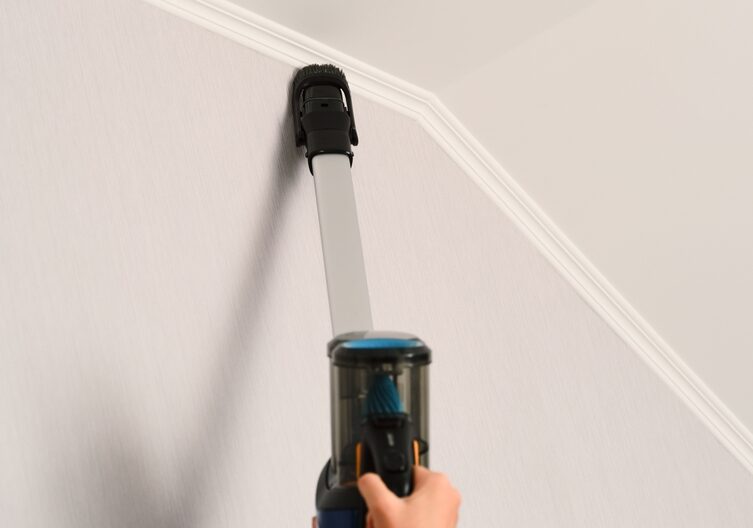
Most people have been there: you spot a spider on the wall, panic sets in, and the nearest vacuum becomes your weapon of choice. It seems like the perfect solution, right? The spider disappears with a quick suction, and you never have to deal with it again. But what actually happens to that spider once it’s inside your vacuum? And more importantly, could it come back to haunt you? The reality might surprise you, and there are some important things to consider before you reach for that vacuum hose next time.
Spiders can actually survive the initial suction
When you vacuum up a spider, you might think the force alone would be enough to kill it instantly. The truth is more complicated than that. The initial suction through the hose doesn’t always do the job. Many spiders have surprisingly tough exoskeletons that can withstand quite a bit of physical stress. The rapid trip through the vacuum tube might disorient them and knock them around, but it doesn’t guarantee death. Smaller spiders especially have a better chance of making it through the journey relatively unscathed.
The vacuum’s internal environment plays a big role in what happens next. If you have a bagless vacuum with a clear canister, you might actually see the spider moving around inside after being sucked up. This happens more often than most people realize. Some spiders can survive for hours or even days inside a vacuum, depending on the species and conditions. The real question becomes whether they can find their way back out into your home.
Empty your vacuum bag or canister immediately
If you’ve just vacuumed up a spider, the worst thing you can do is leave it sitting in there. This is especially true if you have a bagless vacuum where there’s more open space for the spider to move around. The debris and dust inside your vacuum actually creates little pockets and spaces where a spider can hide and potentially survive. Some vacuum bags have small tears or openings that develop over time, giving a determined spider a possible escape route back into your house.
Taking out the bag or emptying the canister right away solves this problem. When you dispose of the contents, do it outside in a sealed trash bag. Don’t just dump it in your indoor trash can, because that gives the spider another chance to crawl back out. If you’re using a bagged vacuum, seal the bag in a plastic bag before throwing it away. For bagless models, empty the canister directly into an outdoor bin and rinse it out if possible. This extra step takes only a minute but prevents any unwanted surprises.
Some species are more dangerous than others
Not all spiders pose the same level of concern when they’re in your home. Most house spiders are completely harmless and actually help control other pests like flies and mosquitoes. However, certain species require more caution. Brown recluse spiders and black widows are the two main venomous spiders found in American homes. If you live in an area where these spiders are common, you need to be more careful about how you handle spider removal. These spiders tend to hide in dark, undisturbed areas like basements, garages, and closets.
When dealing with potentially dangerous spiders, vacuuming them up without proper follow-through creates a risk. Their bites can cause headaches, vomiting, and high blood pressure, among other symptoms. If you suspect you’ve vacuumed up a brown recluse or black widow, it’s even more critical to dispose of the vacuum contents immediately and seal them properly. Don’t take chances by leaving the spider in your vacuum where it could potentially escape and bite someone later. The risk isn’t worth the convenience of putting off emptying your vacuum.
Vacuuming might not be the most humane option
Beyond the practical concerns about spiders surviving and escaping, there’s another angle to consider. If you’re someone who prefers not to kill insects unnecessarily, vacuuming isn’t the best method. While many spiders do die from the experience, it’s not a quick or certain death. They might die from injuries sustained during suction, from suffocation in the bag, or from starvation if they survive the initial vacuuming. The process can take hours or even days, which isn’t particularly kind.
Alternative methods exist that are more straightforward. The classic cup-and-paper technique works well for most spiders. Simply trap the spider under a clear cup or glass, slide a piece of paper underneath, and carry it outside. Spider catchers with long handles are available at most hardware stores for around ten to fifteen dollars, letting you grab spiders from a distance without getting too close. These tools have soft bristles that gently capture the spider without harming it. If you’re going to remove the spider anyway, these methods are faster and more definitive than vacuuming and worrying about what happens next.
Your vacuum cleaner becomes a spider habitat
Think about what’s inside your vacuum cleaner right now. There’s dust, hair, food crumbs, dead skin cells, and probably some dead insects. This combination creates a surprisingly hospitable environment for spiders, at least temporarily. The darkness, the debris for hiding, and the presence of other small insects that might still be alive all make your vacuum a potential temporary home. If you vacuum up multiple spiders over time without emptying the bag or canister, you’re essentially creating a spider collection inside your cleaning tool.
This situation gets even stranger when you consider that female spiders sometimes carry egg sacs. If you vacuum up a spider that’s carrying eggs, those eggs might survive the experience and hatch inside your vacuum. Suddenly, instead of dealing with one spider, you’ve got dozens of baby spiders living in your vacuum cleaner. Depending on conditions, they could potentially find their way out through openings or when you next use the vacuum. Regular emptying and cleaning of your vacuum prevents this nightmare scenario from becoming reality.
The type of vacuum matters significantly
Not all vacuums are created equal when it comes to spider disposal. Traditional bagged vacuums offer one advantage: once the spider is in the bag, it’s trapped in a relatively sealed environment with less chance of escape. The bag fills with dust and debris that can suffocate or bury the spider. However, bags can develop tears, especially if they’re getting full, which creates potential escape routes. Bagged vacuums also tend to have less visibility, so you won’t know if the spider survived or not.
Bagless vacuums with clear canisters let you see exactly what happened to the spider. This visibility is both good and bad. You can confirm whether the spider died from the suction, but you might also watch it crawl around inside the canister, which is unsettling. Handheld vacuums and shop vacs have their own considerations too. Shop vacs often have more open space inside and less debris to trap the spider, potentially giving it a better chance of survival. Handheld vacuums typically have smaller motors with less suction power, which might not be as effective. Consider these factors when choosing your spider-removal method.
Prevent spiders from entering your home instead
Instead of constantly dealing with spiders inside your house, focus on keeping them out in the first place. Spiders typically enter homes through small cracks and gaps around windows, doors, and foundations. Check the weather stripping around your doors and replace it if it’s worn or damaged. Look for gaps around window frames and seal them with caulk. Pay special attention to areas where utility lines enter your home, as these often have openings that spiders can exploit.
Keep your home less attractive to spiders by reducing their food source. Spiders eat other insects, so fewer bugs means fewer spiders. Keep outdoor lights off when possible, as lights attract the insects that spiders feed on. Store firewood away from your house rather than right against the foundation. Clear away debris, leaves, and clutter from around your home’s exterior. Inside, regular cleaning and decluttering removes the hiding spots that spiders prefer. Basements and attics benefit from dehumidifiers, as spiders prefer moisture. These preventive steps reduce the number of spiders you’ll encounter, eliminating the need to vacuum them up at all.
Consider what spiders actually do for you
Before you reach for that vacuum, remember that spiders serve an important purpose in your home. They’re natural pest control, eating mosquitoes, flies, moths, and other annoying insects. A single spider can consume hundreds of insects throughout its lifetime. House spiders typically stay in one area and don’t bother humans unless directly threatened. They’re not interested in biting you and will usually run away if disturbed. Most spider species found in homes are completely harmless and would rather avoid you entirely.
This doesn’t mean you have to live with spiders everywhere, but it might change your perspective on occasional spider sightings. If a spider is in an out-of-the-way corner of your basement or garage, leaving it alone might actually benefit you. It’ll keep working to reduce other pest populations without causing any problems. Save your removal efforts for spiders that appear in high-traffic areas or bedrooms where they genuinely bother you. This balanced approach means less work for you and lets the spiders do what they do best. You’re not running a spider sanctuary, but you’re also not declaring war on every eight-legged creature you see.
Know when to call a professional
Sometimes spider problems go beyond what you can handle with a vacuum or cup. If you’re seeing multiple spiders daily, especially if they’re large or potentially dangerous species, you might have an infestation. Multiple egg sacs in your home indicate a breeding population that will only grow larger. Finding shed spider skins in various locations suggests a significant spider presence. In these situations, trying to vacuum them up one by one isn’t practical or effective.
Professional pest control services have the tools and knowledge to handle serious spider problems. They can identify the species you’re dealing with, locate their entry points, and treat both inside and outside your home. The cost typically ranges from one hundred to three hundred dollars for an initial treatment, with optional ongoing service plans available. This investment makes sense when you’re dealing with dangerous species like brown recluses or black widows, or when your spider problem is too extensive to manage on your own. Professionals can also give you specific advice for your particular situation and home layout. Sometimes the peace of mind alone is worth the expense, especially if spiders cause you significant stress or anxiety.
The next time you spot a spider and reach for your vacuum, take a moment to think through the consequences. That spider might survive the trip into your vacuum bag and could potentially escape back into your home. If you do vacuum it up, empty your vacuum immediately and dispose of the contents outside in a sealed bag. Better yet, consider using a cup and paper to relocate the spider outside, or invest in an inexpensive spider catcher tool. Whatever method you choose, make it definitive rather than creating a situation where you’re left wondering if that spider is still lurking inside your vacuum cleaner.

