

Anyone who has ever planted a tree in their yard knows that initial excitement when you picture it growing tall and providing shade for years to come. But not all trees live up to that vision. Some spread like crazy, others drop messy fruit all over your deck, and a few can even damage your home’s foundation or plumbing. What looks like a harmless sapling today could turn into a decades-long headache tomorrow. Knowing which trees to avoid before you dig that hole can save you thousands of dollars and countless hours of frustration down the road.
Bradford pear trees smell terrible and break easily
Those pretty white flowers that cover Bradford pear trees every spring come with a nasty surprise. The blossoms produce an odor that many people compare to rotting fish or spoiled meat, which isn’t exactly what you want wafting through your windows on a nice day. Beyond the smell issue, Bradford pears have structural problems that make them dangerous during storms. The branches grow at narrow angles, creating weak spots that crack under pressure.
The tree’s popularity has made it an environmental problem, too. Some states have actually banned selling or planting Bradford pears because they spread so aggressively and crowd out native plants. The abundant fruit production creates thousands of seeds that sprout everywhere, turning one ornamental tree into dozens of unwanted volunteers throughout your neighborhood. Even if your local area hasn’t banned them yet, choosing a different flowering tree will prevent these issues from becoming your problem in five or ten years.
Weeping willows invade your plumbing system
The graceful, drooping branches of a weeping willow look amazing near a pond or lake, but that same tree planted in your average suburban yard becomes a monster. These trees grow fast and get massive, needing far more space than most properties can provide. Their root systems aggressively search for water sources, which means they’ll find your sewer lines, septic system, or underground pipes. Once willow roots get into pipes, they create expensive blockages that require professional help to clear.
The constant need for water makes weeping willows compete heavily with anything else growing nearby. Your lawn, flower beds, and other plants will struggle because the willow sucks up most of the available moisture and nutrients. Trying to control the tree’s size through pruning doesn’t really work either, since cutting it back destroys the natural weeping form that made it attractive in the first place. Unless you have several acres and no underground utilities within a hundred feet, this tree will cause more problems than it solves.
Silver maples damage sidewalks and foundations
Silver maples grow incredibly fast, which makes them tempting if you want shade quickly. That rapid growth comes at a price, though. The wood stays relatively weak and brittle, so branches snap off during windstorms or under heavy snow. The roots spread close to the surface instead of growing deep, which creates bumps in your lawn and can crack driveways, sidewalks, and even your home’s foundation over time.
Many cities have banned planting silver maples along streets because of the damage they cause to public sidewalks and infrastructure. The tree also produces tons of seeds that helicopter down and sprout everywhere, creating maintenance work as you pull out unwanted seedlings from your flower beds and gutters. If you need a maple tree, consider a red maple or sugar maple instead. They grow more slowly but create far fewer problems and provide better fall color anyway.
Ash trees require constant pest treatments
Ash trees used to be popular choices for yards across America until the emerald ash borer showed up. This invasive beetle has killed millions of ash trees, and once it arrives in your area, any ash tree becomes a target. The only way to protect an ash tree is through regular insecticide treatments every two or three years for the entire life of the tree. Those treatments add up quickly in both cost and effort.
Even with treatment, you’re fighting a losing battle in many regions where emerald ash borers have become established. The beetles spread from tree to tree, so unless everyone in your neighborhood treats their ash trees, the pests will keep coming back. Dead and dying ash trees become safety hazards as they lose branches and eventually fall. Starting fresh with a different species that doesn’t have this vulnerability makes a lot more sense than signing up for decades of expensive pest control.
Lombardy poplars get diseases and fall apart
The tall, narrow shape of Lombardy poplars makes them popular for creating quick privacy screens or windbreaks. Unfortunately, these trees are extremely susceptible to canker diseases caused by fungi that attack through any damaged bark. Once the softwood gets infected, it deteriorates rapidly, and branches start breaking off. The tree’s narrow form means it already catches a lot of wind, which increases the likelihood of damage that lets disease take hold.
Most Lombardy poplars only live about fifteen to twenty years before disease makes them look terrible or turns them into safety hazards. Native poplar species that grow naturally in your region handle local diseases much better and will give you many more years of healthy growth. They might not have that distinctive columnar shape, but they also won’t leave you with a dead or dying tree that needs expensive removal just when it should be reaching maturity.
Mulberry trees create staining messes everywhere
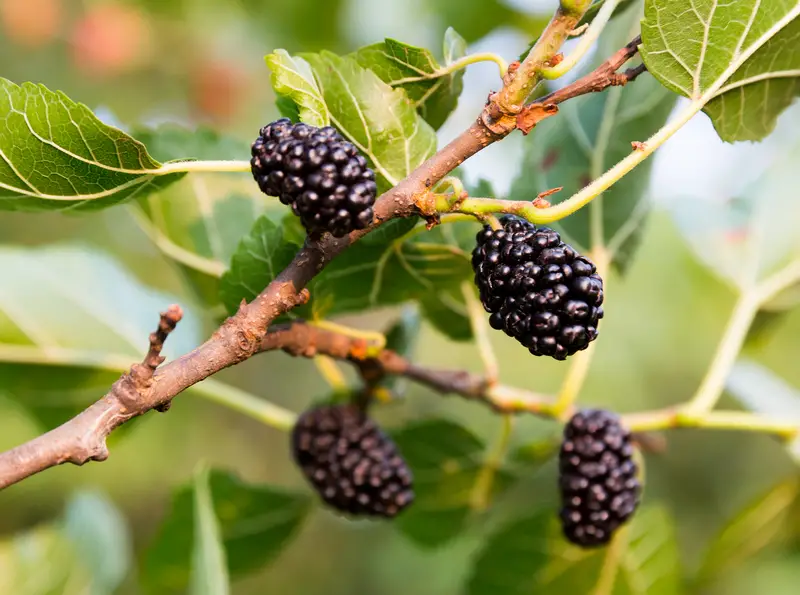
Fruit trees sound great until you realize you’ll be dealing with that fruit whether you want it or not. Mulberry trees produce tons of berries that seem designed to stain everything they touch. The dark purple fruit drops on your deck, sidewalk, patio furniture, and car, leaving marks that are incredibly difficult to clean. Walking through your yard means tracking berry stains into your house on your shoes.
Birds love mulberries, which sounds nice until you consider what happens after birds eat berries. The resulting droppings add to the mess under and around the tree. Mulberry trees also send out aggressive roots that steal water and nutrients from nearby plants, making it harder to grow anything else in that part of your yard. If you want to attract birds, plenty of other trees and shrubs do the job without creating such a staining disaster.
Female ginkgo trees drop disgusting fruit
Ginkgo trees have beautiful fan-shaped leaves that turn bright yellow in fall, and the trees themselves are virtually indestructible. Male ginkgos make excellent yard trees, but female ginkgos produce fruit that contains butyric acid, the same compound found in rancid butter and vomit. The smell is absolutely overwhelming when the fruit drops and splits open, creating an odor that can make your entire yard unusable for weeks.
The soft coating on the seeds also causes skin irritation for many people and creates slippery, hazardous conditions on sidewalks and driveways. If you love the look of ginkgo trees, make absolutely sure you’re buying a male cultivar before planting. Once a female ginkgo starts producing fruit, you’re stuck with the problem unless you remove the entire tree, and even then, the smell lingers in soil and porous surfaces.
Leyland cypress grows way too fast
Leyland cypress grows so fast that it seems perfect for creating privacy screens quickly. That same rapid growth becomes a burden when you realize the tree needs constant trimming to keep it under control. Left alone, these trees shoot up to fifty feet or more and spread wide, casting dense shade that kills grass and other plants underneath. The fast growth also means the wood stays relatively weak and prone to damage.
Many neighborhoods have disputes over Leyland cypress hedges that block light and views when owners can’t keep up with the pruning schedule. Once these trees get too tall, removing them becomes extremely expensive. The dense foliage also provides cover for pests and can harbor diseases. Slower-growing evergreens like yew or privet require less maintenance and create better long-term privacy screens without the constant battle to control their size.
Norway spruce becomes invasive in some regions
Norway spruce looks majestic with its sweeping branches and classic evergreen shape. In parts of the northeastern United States, this non-native tree has become invasive, spreading into natural areas and crowding out plants that local wildlife depends on. The trees also attract several pests and diseases that can spread to other plants in your yard.
These trees get huge, often reaching sixty feet tall with a spread of twenty-five feet or more. That size works fine in large parks or rural properties, but overwhelms typical residential yards. The lower branches die off as the tree ages, creating an unattractive skirt of dead wood that requires regular cleanup. Check whether Norway spruce is considered invasive in your specific area before planting, and consider native evergreen alternatives that support local ecosystems better.
Choosing the right tree for your yard takes more than just picking something that looks nice at the garden center. The trees on this list have proven track records of causing problems for homeowners, from expensive plumbing repairs to endless maintenance battles. Taking time to research alternatives that fit your space, climate, and maintenance abilities will reward you with a tree that actually enhances your property instead of becoming a source of regret. Your future self will thank you for skipping these problem trees and selecting something that grows into an asset rather than a liability.

