

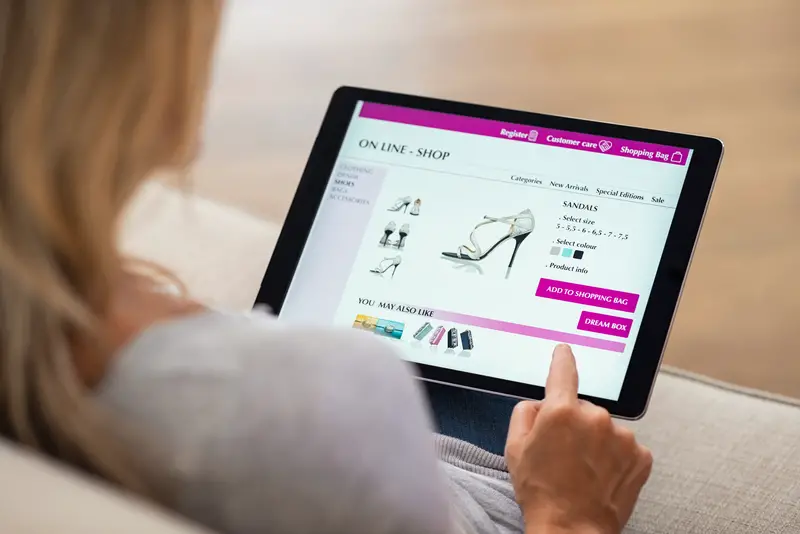
We’ve all been there. It’s 11 p.m., you’re scrolling your phone, and suddenly you’re convinced that a countertop bread maker or a pair of leather sandals you’d never normally wear is going to change your entire life. You hit “Add to Cart” with the confidence of someone who has never been burned before. Then the package arrives, and within 48 hours, reality sets in.
You’re not alone in this. According to a survey of 2,000 Americans, 74% of U.S. adults have experienced buyer’s remorse after purchasing something online. That’s nearly three out of every four people. And the reasons are almost always the same: it looked better on the screen, it cost more than it was worth, or they just plain never used it. Here are the online purchases that seem brilliant in the moment but almost always end in disappointment.
Single-Purpose Kitchen Gadgets That Take Over Your Drawers
The avocado slicer. The strawberry huller. The banana slicer. The egg separator. Every single one of these looked like a stroke of genius when you saw it online. Maybe it popped up in an Instagram ad or a late-night infomercial, and for a brief, shining moment, you thought, “How have I been living without this?”
The answer, it turns out, is “just fine.” A decent chef’s knife does everything these gadgets do, and it doesn’t require its own dedicated drawer space. And it’s not just the small stuff. Specialty appliances like bread makers, ice cream machines, and pasta makers generate a ton of excitement on day one. By week three, they’re living behind the cereal boxes on top of your fridge. The time and effort required to actually use them properly exceeds what most people are willing to do on a Tuesday night after work. You’re not going to make fresh pasta from scratch on a regular basis. You know this. I know this. But somehow, the product listing convinced us otherwise.
Cheap Home Gym Equipment That Falls Apart Immediately
This one stings because the intention is so good. You’re going to get in shape. You’re going to work out at home. You don’t need a gym membership. All you need is this compact elliptical that looks so sleek in the product photos.
Then it arrives. And it’s wobbly. And loud. And it takes up half your living room despite being marketed as “space-saving.” Lifestyle influencer Aaron Marino, who has over 8 million followers, has talked openly about this exact mistake. He says cheap cardio equipment from big-box retailers is, in his words, “crap and will not last. It will be rickety and funky, and you’ll not use it. Or it will break down.” He also bought two e-scooters thinking he and his wife would zip around the neighborhood. They’ve never used them. Not once. Same story with an electric bike that’s been ridden exactly three times total. The gap between the person you imagine yourself becoming and the person you actually are is where most online shopping regret lives.
Fast Fashion That Looks Nothing Like the Photos
Social media has turned fast fashion into one of the biggest traps in online shopping. An influencer posts a haul video with 15 outfits that cost a combined $80, and suddenly you’re filling a cart with trendy pieces from brands you’ve never heard of. The photos look great. The prices seem impossible to beat.
Then the box shows up. The colors are completely different in person. The fabric feels thin and scratchy. That trendy dress that looked amazing on a professional model arrives looking like a wrinkled sack. And the sizing? Wildly inconsistent. The same “medium” can vary dramatically between brands, so you’re basically gambling every time you order. According to a 2023 report from Earth.org, the average U.S. consumer throws away 81.5 pounds of clothes every year. A huge chunk of that is cheap online fashion that fell apart after one wash or just never fit right to begin with. Thin fabrics rip and shrink after a single trip through the washing machine. You end up with a closet full of stuff you never reach for in the morning.
Furniture That Looks Completely Different in Your Actual Home
Online furniture shopping is basically a trust fall, and the internet is not catching you. Product photos use perspective tricks that make pieces appear larger or smaller than they really are. That coffee table listed at 48 inches wide? It looks tiny in your actual living room. The “compact” bookshelf? It towers over everything else in the room. And then there’s the color problem. “Warm oak” arrives looking like orange pine. The navy blue couch is actually closer to purple. Your screen lied to you, and now you have a 90-pound piece of furniture that clashes with everything you own.
Assembly is a whole separate nightmare. Instructions read like they were written for someone with an engineering degree. Hardware arrives damaged or missing. And after two hours of sweating and swearing, the final product still wobbles. Returning furniture is its own special kind of misery because you’re usually on the hook for shipping costs on something that weighs as much as a small child.
Budget Electronics With Inflated Specs
Wireless headphones that promise “12 hours of playback” die after 6 hours at normal volume. Bluetooth speakers advertising “all-day power” barely make it through a backyard barbecue. These inflated claims come from testing under ideal lab conditions that have nothing to do with how you actually use things. Sound quality is another letdown. Bass-heavy headphones sound muddy, and those “crystal clear” earbuds produce thin, tinny audio. Build quality issues show up fast: charging ports break, buttons become unresponsive, and plastic housings crack.
It goes beyond headphones, too. Ultra-cheap charging cables stop working after a few bends. “Military-grade” phone cases crack the first time they’re actually dropped. Screen protectors arrive with permanent air bubbles. Electronics that quickly died or broke were among the top items Americans specifically named when asked about their biggest online shopping regrets. Knockoff designer sneakers were right up there with them.
Clothing You Buy Because of a Trend, Not Because It’s You
This is different from the fast fashion problem. This is about buying something that’s technically well-made but just isn’t your style. Aaron Marino admitted to buying about 12 All Saints jackets during a phase where he was obsessed with the brand. He never wore any of them. They weren’t really his style. Just a trendy impulse. He also bought an itchy mohair sweater from Suit Supply. He tried it on, noticed it was uncomfortable, and bought it anyway, thinking he’d get used to it. He didn’t. His advice? If something doesn’t feel right when you first put it on, walk away. It’s not going to magically improve.
The same principle applies to buying things based on what your friends own or what some review told you to want. One editor at a major lifestyle publication bought a Nespresso machine expecting cafe-quality coffee at home. After the initial excitement faded, she realized she hated being locked into buying proprietary pods and only liked one flavor out of dozens she tried. The fancier features, like the built-in frother, went mostly unused. She eventually switched to a Ninja coffee maker that let her use regular coffee grounds, which was what she actually wanted all along.
The Things You Literally Forget You Ordered
Here’s maybe the most telling statistic of all: 63% of online shoppers have completely forgotten they ordered something until it showed up on their doorstep. More than half don’t even remember what’s inside the package until they open it. If you can’t recall what you bought between clicking “Place Order” and the box arriving, how much did you really want it?
There’s a psychological concept called the Diderot Effect that explains a lot of this behavior. You buy one thing, and suddenly you feel the need to buy more things to match or complement it. Buy a new gaming system, and now you need a special gaming chair, extra controllers, a bigger TV, and a bunch of games. Buy a gym membership, and suddenly you need new workout clothes, new shoes, a water bottle, and a gym bag. One purchase triggers a whole chain of spending that you didn’t plan on.
The Late-Night Shopping Problem Nobody Talks About
Nearly six in ten Americans admit they shop online while drinking. And of those people, 83% have bought something they described as “dumb or frivolous” while doing it. So almost half the country is occasionally making purchasing decisions with impaired judgment, and most of those decisions are bad ones. Combine that with the fact that 43% of people blame good advertising and another 43% blame cheap prices for their regrets, and you start to see the full picture. The entire online shopping experience is designed to get you to buy things in a moment of impulse, excitement, or, apparently, slight intoxication.
And when it goes wrong? 45% of people just hide their bad purchases out of sight somewhere. Another 40% gift them to unsuspecting friends and family. Only 39% actually bother to return or exchange. The rest just eat the cost and try not to think about it. The average shopper has about 15 items in their home right now that they actively dislike. Fifteen things, just sitting there, silently reminding you of a decision you made at 11:47 p.m. on a random Wednesday.
The pattern is always the same. Something catches your eye, the price seems right, the reviews look promising, and you convince yourself this purchase is different. Then the package arrives, and reality doesn’t match the listing. The smartest thing you can do is pause. Close the tab. Sleep on it. If you still want it in the morning, go ahead. But if you’ve already forgotten about it by breakfast, you just saved yourself from becoming another statistic.

