

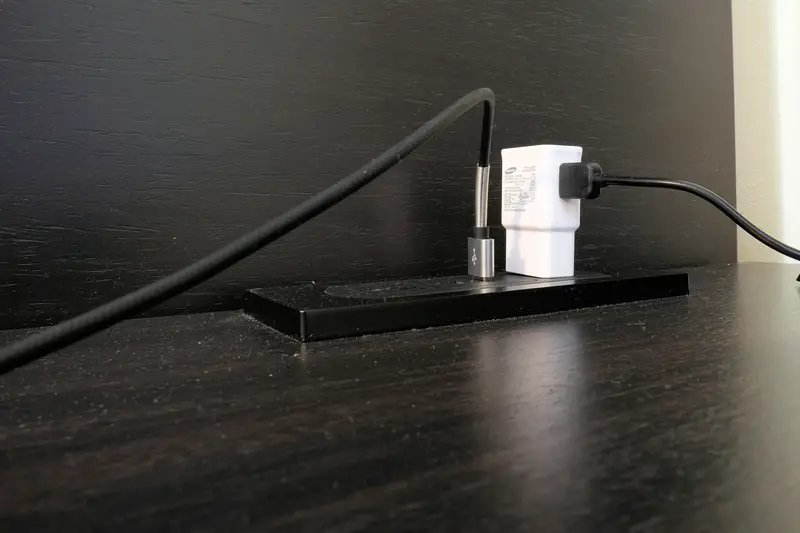
I used to leave everything plugged in overnight. Phone on the nightstand, laptop charging on the bed, a power bank topping off on the floor next to a pile of laundry. Then a buddy of mine who does electrical work for a living looked at my setup and shook his head. He told me something that actually stuck with me: not every charger is the same, and there’s one in particular you really want to pull out of the wall before you fall asleep.
Here’s the twist. It’s not the tiny phone brick everybody frets about. It’s the big one. Let me explain what he meant, plus a bunch of other charging facts that made me feel a little silly about my old habits.
The One Charger That Deserves Your Attention
The laptop charger is the sneaky one. Those chunky bricks pull way more juice than a phone cable, and they keep pulling it even after the battery hits 100%. Certified electrician Carl Murawski put it plainly when experts weighed in on the habit. He said laptop chargers and higher-watt bricks are a bit different, especially the older ones, which can add up to higher electric bills over time.
There’s more going on than money, though. Even when your laptop reads full and you leave it plugged in, the machine keeps drawing power. That can make internal parts run warm, especially in a tight or closed-in spot. Anker’s own guidance notes that keeping a laptop plugged in long-term also chips away at the battery’s total capacity. So that overnight top-off you thought was helping? It’s quietly doing the opposite.
Your Chargers Are “Vampires” (Yes, Really)
Electricians actually have a name for this: energy vampires. A charger left in the wall keeps sipping a trickle of electricity even when nothing is attached to it. One little cable is no big deal. But add up every charger in your house, every night, all year, and that trickle turns into real dollars leaving your wallet for nothing.
Daniel Mock, a vice president at Mister Sparky, said phone chargers are one of the biggest culprits of this so-called phantom load. When you read the reasons to unplug, the phantom drain shows up over and over. The device doesn’t even have to be on. If it’s plugged in, it’s on the clock, running your meter for zero benefit. That fact alone changed my bedtime routine.
The Fire Numbers Are Bigger Than You Think
Okay, this is the part that got my attention. Lithium-ion battery fires used to be a rare, freak thing. Not anymore. In recent U.S. fire data, they hit around 2,500 incidents in 2025. Overcharging alone accounted for 35% of the 12,500 lithium-ion battery fire cases in consumer electronics reported by the Consumer Product Safety Commission back in 2022.
Here’s the number that stopped me cold. When one of these batteries goes into what’s called thermal runaway, it can reach temperatures between 600 and 1,000 degrees Celsius, based on verified lab testing. That’s not a spark. That’s a blaze that starts and spreads in minutes. The same data set links these battery fires to 78 deaths in the U.S. between 2015 and 2023, and the CPSC counted roughly 25,000 thermal runaway incidents in a single recent year, mostly from laptops and power tools.
That $4.99 Gas Station Cable Is a Problem
You know the cheap cable hanging by the register at a gas station? Or the mystery-brand wall plug from a flea market? Those are the ones to worry about. They often skip the built-in safety circuits that regulate voltage and temperature. Without that protection, a cheap charger can send unstable power to your phone, chew up your charging port, or in the worst case, become a fire risk.
Counterfeit cables are especially bad news because they frequently lack the little protective chips that guard against surges and overheating. The fix is simple and cheap. Stick with the charger that came with your device, or buy one that is UL Listed. Just look for the UL symbol on the box when you shop. Experts who cover the hidden downsides of overnight charging point out that the biggest danger usually isn’t charging at night. It’s charging with junk gear.
Stop Charging on Your Bed or Couch
Guilty as charged, pun intended. I used to fall asleep with my phone under the pillow while it charged. Turns out that’s one of the riskiest things you can do. Soft surfaces like beds, couches, and blankets trap heat right around the battery. A laptop makes it worse because it needs airflow through its vents to stay cool, and a comforter blocks every one of them.
Insurance folks who write about preventing laptop fires spell out why this matters. A laptop left charging on a bed overnight can go from a small spark to a fast-moving fire because bedding, drapes, and papers are all sitting right there ready to catch. The rule is easy to remember: charge on a hard, flat surface like a nightstand, desk, or kitchen table. Never under a pillow. Never buried in the covers.
It’s Not Just Phones and Laptops
Once you start looking around your bedroom, you realize how many battery gadgets you leave plugged in without thinking. Electrician Benjamin Thomas flagged a whole list of lithium-ion devices that deserve the same caution: portable power banks, rechargeable toothbrushes, water flossers, skincare tools, cordless vacuums, and power tools. Basically anything with a rechargeable battery in it.
Thomas said fires tied to battery chargers are becoming more common, and the odds go up when the battery is aging, the charger is damaged, or someone uses a plug that didn’t come from the manufacturer. Among the items worth unplugging, these small everyday gadgets get overlooked the most. Charge them, then pull the plug once they’re full. Don’t leave them cooking overnight while you’re asleep and can’t keep an eye on them.
The Sneaky Bonus of the Unplug Habit
This one is clever, and I hadn’t thought about it. Getting into the habit of unplugging your charger every night trains you to unplug the truly risky stuff too. One expert made the point that if you never bother unplugging a charger, the chance you forget to unplug something serious like a space heater, an iron, or a hot hair tool goes way up.
Space heaters especially. They’re described as a leading cause of home fires because they can overheat, tip over, or set nearby bedding and curtains on fire. So the charger habit is a kind of gateway. Once your hands automatically reach for plugs before bed, you catch the big hazards without even trying. A good rule of thumb from the pros: anything designed to make heat is worth treating with respect.
Power Surges Are More Common Than You’d Guess
Here’s another reason to unplug that has nothing to do with fire. Power surges. A surge can fry sensitive electronics in an instant, and they happen a lot more than people realize. According to the electricians who talk about overnight charging and surge risk, roughly half of U.S. households see a power surge every single year.
Weather swings and hiccups in the power supply cause them, and the frequency is expected to climb as demand keeps rising, partly thanks to all those AI data centers eating up electricity. A charger sitting in the wall when a surge hits can get zapped, and so can whatever is connected to it. Pulling the plug is what Murawski called a low-effort safety move. Costs you nothing, takes two seconds.
Even the Fire Pros Are Talking About This
If you needed proof this isn’t just internet fear talk, the National Fire Protection Association picked charging as its big focus. The group set the Fire Prevention Week 2026 theme as “Charge into Fire Safety: Safe Charging Is a Superpower.” When the folks who literally set fire codes make charging the headline topic, it’s telling you something changed.
Their advice lines up with everything above. Use manufacturer-approved gear, charge on hard flat surfaces, and unplug devices once they’re full to avoid heat buildup. They also added a tip for the bigger stuff. When charging e-bikes and scooters, do it outside and away from doorways, since those larger batteries burn hotter and faster if they fail. And watch for warning signs like swelling, odd smells, smoke, or a battery that runs hot to the touch.
So here’s my new nightly routine, and honestly it takes about ten seconds. Phone comes off the charger and sits on the nightstand. Laptop brick gets pulled from the wall. Power bank and toothbrush get unplugged once they’re topped off. Nothing charges under a blanket, ever. It feels almost too simple to matter, but the numbers say otherwise. That one big charger was the wake-up call. The rest just fell into place.

