

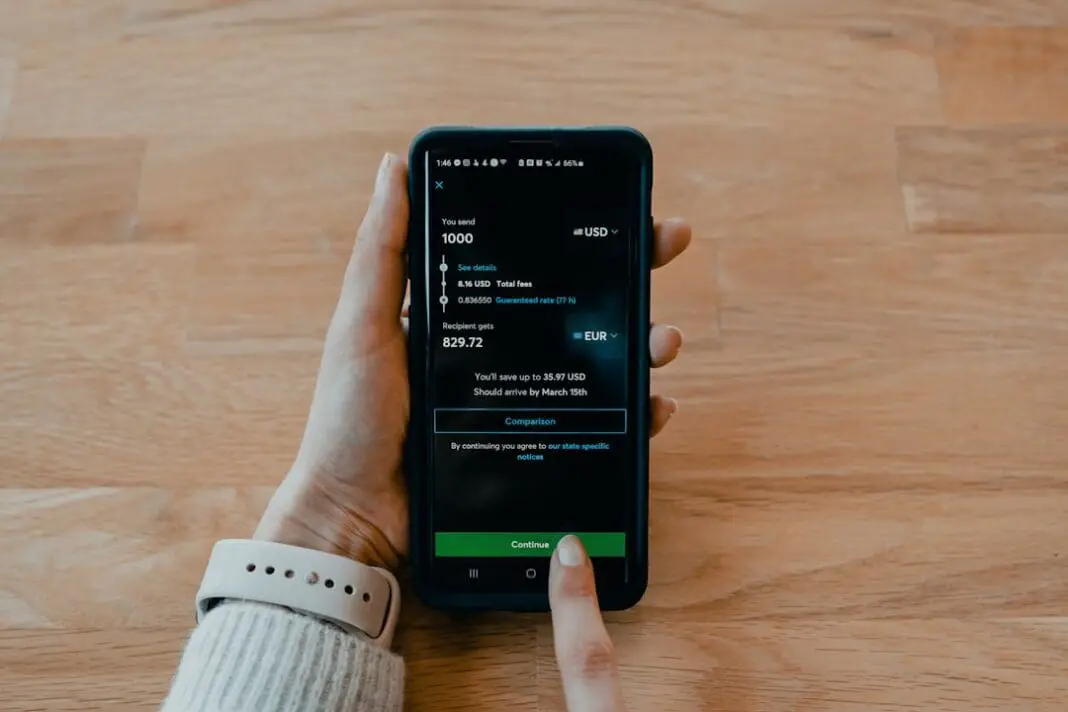
Imagine you’re lying in bed, half asleep, thumbing through your phone. Suddenly it buzzes. Somebody just sent you $700 on Venmo. You have zero idea who this person is. A few seconds later, a message pops up: “So sorry! I typed the wrong username. Can you send it back? I really need it for rent.” Sending it back feels like the decent, human thing to do, right? Here’s the twist. If you hit send, you might be handing your own money straight to a criminal. And the wildest part is how normal the whole thing feels while it’s happening.
That “Oops, Wrong Person” Text Is the Whole Scam
This trick is so common that Venmo actually wrote it into their own rulebook. In their User Agreement they call it the “Accidental Payment” scam, and they flat out tell people not to send unexpected money back to strangers. Think about that for a second. A company doesn’t bother naming a specific scam in their legal documents unless it’s happening constantly.
Here’s how it plays out. A stranger sends you cash, or pretends to. Then they message you directly, claiming they meant to send it to someone else and picked your profile by accident. If a polite request doesn’t move you fast enough, they crank up the drama. They need it back right now for rent, for a medical bill, for their kid. The rush is the point. They don’t want you sitting there thinking about it, because the second you slow down and actually check what happened, the whole thing falls apart.
The Money Was Never Really Theirs to Begin With
This is the part almost nobody understands until it’s too late. That money sitting in your account? It was probably stolen. Before the scammer ever contacts you, they’ve already hacked into someone’s credit card or bank account. Then they use those stolen funds to “accidentally” send money to a random person, often picked at random. That random person is you.
Now here’s the trap. When you return the money, you’re not reversing anything. You’re creating a brand new payment from your own balance. Two totally separate transactions. So when the real cardholder notices the fraud and files a complaint, their bank claws back that first payment. Poof, it’s gone from your account. But the money you sent back? That was yours, and it went right into the scammer’s pocket. You might think of it as the same $700 bouncing around. Your bank and the law see two different piles of cash, and only one of them was ever yours.
Why These Apps Are Almost Impossible to Undo
You’d think you could just call somebody and get your money back. Not so fast. The reason scammers love Venmo, Zelle, and Cash App is the exact same reason regular people love them. The transfers are fast and final. Money moves in seconds and it’s done.
Unlike a credit card, there’s no built in dispute button when you send money on purpose. With a credit card, if something’s fishy, you file a chargeback and the bank fights it out for you. Peer to peer apps don’t work like that. Once money leaves your account because you chose to send it, the app treats it as authorized. You said yes, so it’s yours to lose. That’s why the criminals steer you off the app and into a text or a phone call, begging you to send a new payment instead of using the official refund tools. Those tools exist to protect you. The whole scheme depends on you not using them.
But Wait, Can’t You Just Keep It?
Okay, so if you shouldn’t send it back, maybe you just keep the surprise money and treat yourself, right? Nope. This is where a lot of people get a nasty surprise. Keeping money that lands in your account by mistake is actually illegal once you know it wasn’t meant for you. The legal idea is called unjust enrichment, and it’s pretty simple. If you get a benefit at someone else’s expense with no good reason, the law says you owe it back.
Lawyers compare it to finding a wallet on the sidewalk. Sure, you found it, but it’s not yours, and hanging onto it after you realize whose it is can land you in real trouble. The person who sent it can sue you for it. Larger amounts are more likely to bring in law enforcement. And if a bank confirms the money was sent in error, they’ll usually just reverse it, yank it out of your account, and hand it back. If you already spent it? Some banks will set up a payment plan, but the worst move you can make is going silent and hoping it disappears.
The Pressure Is Actually the Biggest Clue
A real person who fat-fingers a payment is usually a little embarrassed and pretty patient. A scammer is neither. They escalate. If you don’t answer right away, they’ll call, text over and over, accuse you of stealing, and even threaten legal action. One person reported getting hit with $3,000 out of nowhere, followed by a stranger accusing them of theft when they didn’t jump to return it.
Those are scare tactics, plain and simple. The goal is to spook you into acting before you think. Watch for the classic red flags: a big unexpected amount from someone you don’t know, messages coming through text or email instead of inside the app, a request to send money to a totally different account, and a hard refusal to use the app’s official refund feature. A sob story about rent or a hospital bill isn’t proof of anything. It’s a script. Real emergencies don’t require you to skip every safety step and move money in the next sixty seconds.
What You Should Actually Do Instead
Good news: fixing this the right way is easy, and each app has its own path. According to guidance the platforms gave to a local news team, here’s the rundown. For Zelle, contact your bank, since Zelle runs through your bank account. For Venmo, reach out to Venmo support and let them reverse it. For Cash App, use the built in Refund feature instead of starting a new payment.
See the pattern? Not a single one of them tells you to create a fresh payment to a stranger. That’s the exact thing scammers want, and it’s the one thing every app warns against. So don’t reply to the sender. Don’t send a new payment. Don’t spend the money. Just contact the app or your bank, explain what happened, and let them sort out where the money belongs. If it was a genuine mistake, they’ll handle the return through official channels with zero risk to you. Block the sender’s number if they keep bugging you. Reporting it to the FBI’s Internet Crime Complaint Center creates a paper trail too, which never hurts.
This Problem Is Way Bigger Than You’d Guess
If you think this is some rare thing that only happens to a few unlucky people, brace yourself. Americans reported losing about $3.5 billion to imposter scams in 2025 alone. Total fraud losses hit roughly $15.9 billion, the highest ever recorded and up about 27% from the year before. Since 2020, reported losses have climbed nearly 430%. That’s not a typo.
The median loss was $700, which lines up perfectly with the amounts these accidental payment tricks tend to use. Not so big it screams fraud, not so small you’d ignore it. And here’s a detail that stings: a chunk of the huge losses hit people 60 and older, who lost billions to schemes running into six figures. These aren’t cartoon villains twirling mustaches. They’re organized operations sending thousands of these messages a day, betting that a small slice of people will feel bad enough to send money back.
The Sneaky Cousins of This Same Trick
Once you know the pattern, you start spotting its relatives everywhere. There’s overpayment fraud, where a buyer, employer, or “client” sends you more than they owe and asks you to refund the difference. The original payment is fake or gets reversed, and you’re out the refund you sent. Then there’s the money mule setup, where someone “hires” you as a payment processor or transfer assistant to receive money and forward it on. Congrats, you’re now laundering stolen cash without even knowing it.
One easy habit that helps: stop posting your payment username publicly. Those social media giveaways that ask you to drop your $Cashtag in the comments make you an easy target. And before you ever link a card to a new app, do a little homework on it. The rule that ties all of this together is short and boring, which is probably why it works so well. If a stranger sends you money and asks for it back, never send it back yourself. Let the app or your bank deal with it. Boring beats broke every time.

