

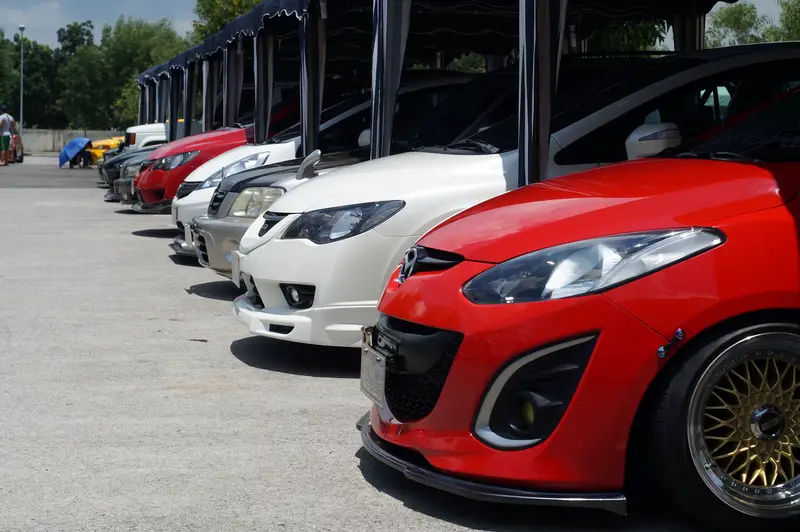
Standing on the dealership lot, dazzled by a fresh paint job, most buyers pick a color for one simple reason: they like how it looks. Fair enough. But here is the part nobody tells you. The shade you drive off with can quietly cost you thousands when it is time to sell. A massive iSeeCars study of more than 1.2 million three-year-old used cars found that the average vehicle loses about 31% of its value after three years, but some colors bleed money far faster than others. So let us rank the paint options from the absolute worst bet to the smartest one, and yes, there is one color you should basically never buy.
1. Gold: The One Color to Never Buy
If you take nothing else from this list, take this. Gold is the single worst color you can put in your driveway if you ever plan to sell. According to iSeeCars, gold vehicles depreciate the fastest of any color at a brutal 34.4% over three years, which works out to roughly $16,679 in lost value. That is the only color in the study to blow well past the average depreciation rate by a country mile. The problem is simple. Gold reads as dated. It is tied in most buyers’ minds to early-2000s luxury sedans and rental fleets, and hardly anyone actively shops for it today. As Clark Howard’s team put it, gold is unfashionable and genuinely hard to move on the used market. Fewer interested buyers means weaker offers, and weaker offers mean you eat the loss. Skip it.
2. White: Popular Does Not Mean Profitable
This one surprises people. White is the most popular car color in America, sitting at roughly 25% of the market. You would think that popularity translates to easy resale. It does the opposite. iSeeCars found white cars lose 32.1% of their value in three years, worse than the average. The reason is pure supply and demand. When a color is everywhere, the used lot is flooded with identical white cars, and buyers simply shop around for the cheapest one. iSeeCars analyst Karl Brauer said it plainly in the report: white and black offer zero distinction on the used market, which makes it easy for shoppers to hunt down the lowest-priced version. Your white car is competing against a sea of clones.
3. Black: Stunning in the Showroom, Punishing in Real Life
Black is the second-most popular color on the road, and it photographs beautifully. Behind the glamour, though, it is a headache. iSeeCars pegs black depreciation at 31.9%, again worse than average, and the maintenance story is even less flattering. SlashGear calls black the hardest color to maintain, and for good reason. Dust, pollen, and water spots show up almost instantly. Scratches jump out against the lighter undercoat. Swirl marks from a rough sponge or a dirty towel are painfully visible, and black paint can fade faster in the sun because it soaks up more heat. Keeping a black car looking sharp enough to command a strong resale price is a genuine chore. Beautiful when detailed, brutal the other 360 days of the year.
4. Blue: The Sleeper That Loses You Money
Blue is one of the top five most popular colors, holding about 9% of the market, and buyers love it. But a separate NexusMedia study shared by GOBankingRates actually ranked blue as the worst performer for resale among popular colors, with an average depreciation of 27.11% and about $12,449 lost. Kelley Blue Book notes that blue is also a pain to keep clean because water spots, scratches, and swirl marks show up quickly on the finish, and that extra upkeep does not help resale. Blue is not a catastrophe like gold, but it is a color a lot of people assume is a safe crowd-pleaser when the numbers say otherwise. If you love it, love it for you, not for your future wallet.
5. Brown and Beige: The Dated Middle Ground
Brown and beige live in a strange spot. UsedCars.com reports that brown vehicles depreciate at rates approaching 30%, and like gold, brown carries an outdated association that limits its buyer pool. Beige is the more interesting case. It performs poorly in plenty of segments, yet iSeeCars found beige actually does reasonably well on sedans specifically. That is the recurring theme with paint. Context matters enormously. As a general rule, though, if a color reads like a faded champagne rental car from a decade ago, most shoppers scroll right past it. Brown and beige are not the worst you can do, but they rarely win you anything either.
6. Silver and Gray: The Boring but Safe Neutrals
Here is where things start looking up. Silver and gray are not exciting, but they are dependable. Both land above the market average for value retention according to the iSeeCars data, and they are widely accepted, which keeps a healthy pool of buyers interested. Gray in particular is a standout for trucks, where it ranks among the best colors for holding value alongside orange and green. If you want something low-drama that will not scare off buyers and will not tank your resale, gray is the sensible, no-regrets pick. It hides dirt better than black, it does not date like gold, and it plays nicely across almost every body style. Not thrilling, but genuinely smart.
7. Red: The Bold Choice That Actually Pays Off
Red is where personality meets good financial sense. In the GOBankingRates data, red cars fell about 21.6% on average, costing roughly $8,700, which is well ahead of blue and black. iSeeCars likewise lists red among the above-average colors for value retention, in good company with silver, gray, and blue. Red gives your car a distinct look on a crowded used lot without wandering into oddball territory that scares off mainstream buyers. It is popular enough to have steady demand, but not so common that you are drowning in identical listings. If you want a little flair and still care about resale, red is one of the easiest wins on this entire list.
8. Green: The Truck and SUV Superstar
Green is fascinating because it is all about matching the color to the vehicle. iSeeCars found green depreciates at just 26.3% overall, better than average, but the real magic is in specific segments. Green trucks and green SUVs hold their value exceptionally well. As Recharged points out, a green truck retains value beautifully while a green sedan is actually one of the weaker performers in the sedan category. So the advice is precise. If you are buying a rugged truck or a family SUV, green is a genuinely savvy call that buyers seek out. If you are buying a four-door sedan, look elsewhere. Same color, opposite outcomes, all depending on the body style.
9. Orange: Rare, Loud, and Worth Real Money
Now we are into the elite tier. Orange cars lose only 24.4% of their value, and here is the eye-popping detail: they post the lowest dollar loss of any color at roughly $9,951 over three years. Why does such a divisive color do so well? Scarcity. There simply are not many orange cars out there, so demand outpaces supply, and that pushes used prices up. Karl Brauer noted that orange has been among the best colors for retained value for years. It is not a widely chosen shade, but the people who want it really want it, and rarity does the rest. Orange also shines specifically on trucks and SUVs. Bold pays.
10. Yellow: The Best Color for Resale, Period
And the champion is yellow. Across every major metro area in the iSeeCars analysis, yellow was uniformly the color with the lowest depreciation, matching the national trend. Yellow cars lose just 24.0% of their value, the best of any color, which saves owners about $693 compared to the market average. Stack that against gold, and the gap is staggering. A yellow car costs you dramatically less in depreciation than a gold one over the same three years. The logic is the same as orange. Yellow is uncommon, so there is more demand than supply, and that scarcity props up its used value. Brauer confirmed yellow and orange have topped the value-retention charts since iSeeCars started tracking color. If resale value is your goal, a bright, bold shade beats a safe, common one every single time.
The Bottom Line
Color is not the only thing that drives resale value. Make, model, mileage, and condition all matter more. But paint can still swing your car’s worth by more than $5,000 over three years, which is real money for a decision you make in about five seconds on the lot. Avoid gold above all else, be wary of white and black despite their popularity, and remember that green and orange reward you most on trucks and SUVs. When you are finally ready to sell, do what money expert Clark Howard suggests and get quotes from both CarMax and Carvana so you know exactly what your paint is worth. Choose bold, choose rare, and let scarcity work in your favor.

