

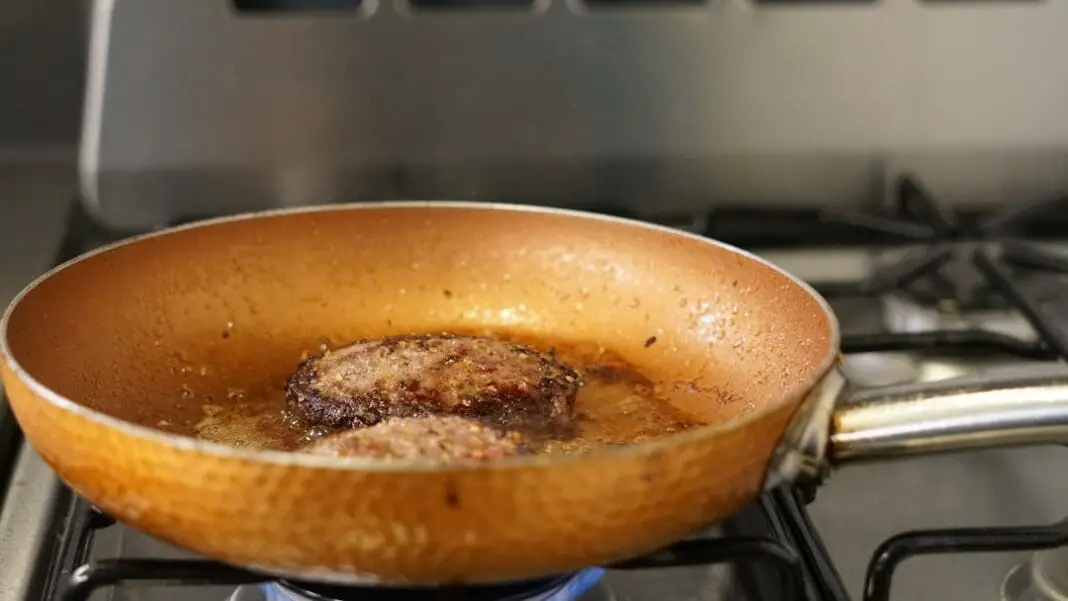
You just finished frying up some bacon, or maybe you seared a couple of pork chops in your trusty cast iron. The pan is sitting there, slicked with a thick layer of grease, and your instinct is obvious: blast it with the hottest water your faucet can produce. That’s what hot water is for, right? Cutting through grease?
Turns out, that instinct is wrong. Like, really wrong. And the consequences go way beyond a dirty pan. We’re talking warped cookware, destroyed pipe systems, and plumbing repairs that can run into the thousands. Here’s why everything you thought you knew about cleaning a greasy pan is probably backward.
Hot Water Doesn’t Remove Grease — It Relocates It
Here’s the thing nobody tells you: when hot water hits grease, the fat melts into a liquid. It slides right off the pan, which makes you feel productive. But that liquefied grease doesn’t just vanish. It flows down your drain in liquid form, travels into your pipes, and then starts cooling off. As it cools, it solidifies again and coats the inside of your plumbing, layer after layer, like cholesterol building up in an artery.
Doyle James, the president of Mr. Rooter Plumbing, has said this happens way more often than people realize and is completely preventable. A basic drain cleaning runs a couple hundred bucks. A serious blockage buried deep in your pipes? You could be looking at thousands. And that’s just your home. When too much fat, oil, and grease — plumbers call it FOG — makes it into city sewer systems, it can overwhelm wastewater treatment plants and cause backups that affect entire neighborhoods.
So that satisfying rush of steamy water you’re hitting your pan with after dinner? You’re basically making a deposit into a savings account of solidified grease inside your walls. And one day, that account is going to mature in the worst way possible.
Cold Water Is the Counterintuitive Fix
This is the part that feels wrong. Cold water? For grease? But there’s a logic to it that makes perfect sense once you hear it.
When grease meets cold water, it stays solid. It doesn’t melt and smear itself across the inside of your pipes. Instead, the solid chunks of fat travel through the drainage system more safely because water and gravity take over and push them along. Think of it like this: a marble rolls through a tube just fine. A glob of honey will stick to the walls. You want the marble version of grease in your pipes.
James explained that even though water and oil don’t mix easily, warm water and grease can form something called an emulsion — a sort of greasy suspension that looks like it’s washing away cleanly but is actually a pipe-coating nightmare waiting to happen. Cold water prevents that from forming in the first place.
But Before You Even Turn the Faucet On, Do This
The real answer, according to every plumber who has weighed in on this topic, is that you shouldn’t be sending any grease down the drain at all if you can avoid it. Cold water is better than hot, but neither is as good as just keeping the grease out of the sink entirely.
The proper method starts with patience. Let the pan cool down completely — about 10 to 15 minutes will bring most cooking grease from a dangerous 350-400°F down to a temperature that won’t burn your skin off. It should not be smoking or visibly bubbling. Then scrape or pour the grease into a container. An old glass jar, a used yogurt container, a metal coffee can — any of these work. Just don’t use a plastic container, because hot grease can melt straight through it.
After that, wipe the pan down thoroughly with paper towels or even old newspaper. You want to get as much residual grease off as possible before any water touches that pan. Then — and only then — wash with cold water and a good squirt of dish soap. The soap keeps any remaining grease emulsified and suspended in the water so it doesn’t separate out and stick to your pipes on the way down.
Your Dishwasher Isn’t Saving You Either
Here’s a detail that catches a lot of people off guard. If you’re thinking “well, I’ll just throw it in the dishwasher and let the machine handle it,” you’re still creating the same problem. Dishwashers use hot water — that’s their whole thing. So any significant amount of grease left on a pan going into the dishwasher is going to melt, drain, and start coating the insides of your pipes just the same as if you’d blasted it with the faucet.
You still need to wipe off the bulk of the grease before loading the dishwasher. The machine is fine for the thin residue that’s left after a good paper-towel wipedown, but it’s not designed to be a grease disposal system. Treat it like one, and you’re asking for drainage problems down the road.
Hot Water Also Destroys the Pan Itself
Plumbing aside, there’s a whole other reason to keep hot water away from your pans, and it has nothing to do with grease. It’s called thermal shock, and it’s the enemy of every pan you own.
Philicia Frasson, a product manager for All-Clad, explained the science: metals expand in tiny amounts when heated and shrink when cooled. A 10-inch fry pan heated to 400°F will actually grow to about 10.05 inches. You can’t see it, but it’s happening. When you slam that expanded metal with cold water — or even run a hot pan under hot water after it’s been off the burner and started cooling — the rapid temperature change causes warping and cracking.
If you’ve ever had a pan that wobbles on your burner and won’t sit flat, you’ve probably already been a victim of thermal shock without knowing it. That warping creates hot spots and cold spots, which means uneven cooking. Your pancakes will be burnt in the center and raw around the edges. Your eggs will stick in weird patches.
And this applies to everything — stainless steel, nonstick, cast iron. None of them are immune. Thin nonstick pans and anything made with glass or stoneware are the most vulnerable, but even that expensive All-Clad set your in-laws gave you as a wedding present can warp permanently if you keep quenching it. In some cases, the damage is irreversible.
Baking Soda Is Your Best Friend for Stubborn Grease
So what about those pans where a simple wipedown and cold water wash just aren’t cutting it? The kind with a shellacked-on layer of polymerized oil that laughs at your sponge?
Baking soda. Sprinkle it on the pan, add a little water to make a paste, and scrub with a damp sponge. It acts as a gentle abrasive that lifts grease without scratching or damaging most pan surfaces. For stainless steel, you can also use Bar Keepers Friend — that stuff is borderline magical for stubborn residue.
One exception: be careful with baking soda on aluminum pans. It can cause a chemical reaction that damages the surface. And for nonstick cookware, skip the abrasive scrubbers entirely — no steel wool, no harsh scouring pads. A soft sponge or cloth with warm soapy water is all you need after the grease has been wiped out.
Cast iron is its own animal. The golden rule is to never soak it in water, period. Wipe out the excess grease, rinse briefly with warm water, use a stiff brush or a chainmail scrubber if food is stuck, and dry it thoroughly right away. Leaving cast iron wet is a fast track to rust.
The Aluminum Foil Trick Nobody Talks About
Here’s a small hack that’s weirdly effective: instead of burning through a mountain of paper towels every time you fry something, crumple up a piece of aluminum foil and use it to scrape congealed grease out of a cooled pan. It grabs the thick stuff better than paper towels do, and you can toss it right in the trash along with the grease.
Some people also keep a dedicated grease jar next to the stove. After every cooking session that involves fat, they pour or scrape the grease into the jar while it’s still warm enough to be pourable but cool enough not to shatter glass. When the jar fills up, lid goes on, whole thing goes in the garbage. It takes about ten seconds per meal and saves you from ever dealing with a backed-up drain.
Why This Matters More Than You Think
Look, nobody loves cleaning pans. It’s the worst part of cooking, and the temptation to just douse everything in hot water and call it done is real. But the math is pretty simple: spending 60 extra seconds wiping out a pan and using cold water costs you nothing. A plumber snaking out a grease-clogged pipe costs you a couple hundred dollars on a good day, and way more if the blockage is serious.
Add in the cost of replacing warped pans — good stainless steel isn’t cheap, and even decent nonstick runs $30-50 per pan — and the case for changing your habits becomes pretty obvious. You’re not just protecting your plumbing. You’re protecting your cookware, your wallet, and honestly, your sanity. Because nothing ruins a Tuesday night faster than standing in an inch of backed-up sink water, wondering how it all went wrong.
The answer was always the hot water.

