

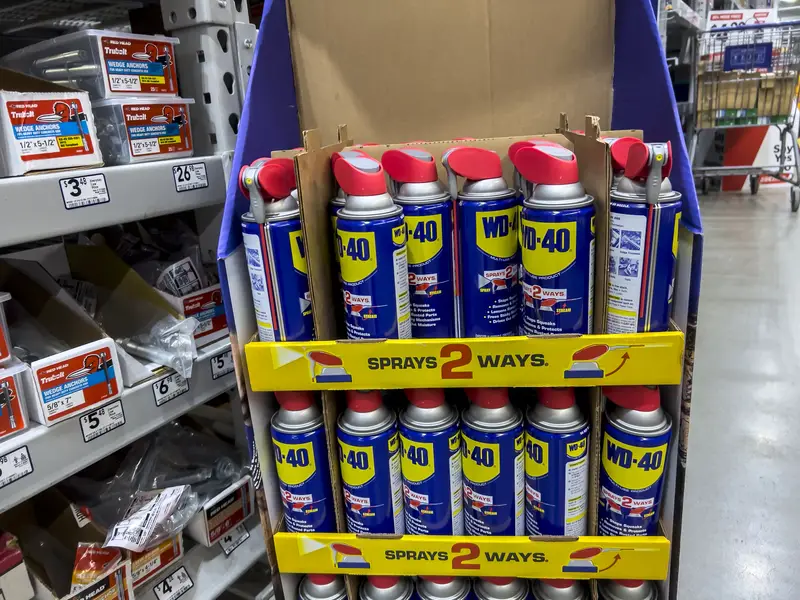
Wasps buzzing around your windows and doors can turn a peaceful afternoon into a nightmare. Most people reach for expensive insecticides or call pest control, but there’s a surprising solution sitting in your garage right now. That trusty can of WD-40 that fixes squeaky hinges also works as an effective wasp deterrent when applied correctly around entry points.
Spray WD-40 around window frames and door jambs
Window frames serve as perfect landing strips for wasps looking to build nests or find entry points into homes. The insects are attracted to the small crevices and protected spaces that window frames provide. Most homeowners focus on treating visible nests but ignore these potential nesting sites until it’s too late. A light coating of WD-40 creates a slippery surface that wasps cannot grip properly, forcing them to look elsewhere for suitable locations.
Door jambs present another common problem area where wasps congregate before attempting to enter homes. The WD-40 application works by creating an invisible barrier that disrupts their ability to land and establish a foothold. Simply spray a thin layer around the exterior edges of door frames, focusing on corners and gaps where wasps typically gather. The treatment remains effective for approximately two to three weeks before requiring reapplication.
Target areas where wasps build nests frequently
Eaves and overhangs provide ideal protected spaces for wasp colonies to establish themselves. These areas offer shelter from rain and wind while remaining close to food sources and water. Wasps prefer locations that are elevated and difficult for predators to reach, making roof lines particularly attractive. Regular inspection of these areas reveals early nest-building activity, but prevention works better than removal once colonies are established.
Porch ceilings, deck railings, and outdoor light fixtures also attract nest-building wasps seeking convenient locations. Preventive spraying of these surfaces creates an unwelcoming environment before wasps commit to building. Focus on corners, joints, and any recessed areas where paper wasp nests commonly appear. The slippery coating prevents wasps from anchoring their initial nest cells, forcing them to abandon the location entirely.
Apply treatment during early morning hours
Wasp activity reaches its lowest point during early morning hours when temperatures are cool and most insects remain inactive. This timing allows for safe application without confronting aggressive wasps defending their territory. Morning application also ensures the WD-40 has time to settle and create an effective barrier before peak wasp activity begins later in the day. Wind conditions are typically calmer in the morning, preventing overspray and ensuring accurate placement.
Evening applications can trigger defensive behaviors from wasps returning to established nests or roosting sites. Early morning timing minimizes human-wasp encounters while maximizing treatment effectiveness. The cooler temperatures also help the WD-40 adhere better to surfaces before evaporation begins. Plan applications for days with minimal wind and no rain in the forecast to ensure the treatment bonds properly with target surfaces.
Use short bursts instead of continuous spraying
Continuous spraying wastes product and creates uneven coverage that reduces effectiveness against wasps. Short, controlled bursts allow for precise placement while conserving the WD-40 for multiple applications throughout the season. Excessive application doesn’t improve results but increases costs and cleanup requirements. The goal is creating a thin, even film rather than saturating surfaces with unnecessary amounts of product.
Controlled application also prevents dripping onto plants, outdoor furniture, or walkways where the oily residue could create problems. Proper technique involves holding the can 6-8 inches from the target surface and using quick, sweeping motions. This method ensures adequate coverage without oversaturation. Practice on inconspicuous areas first to develop the right application pressure and distance for consistent results.
Reapply every two to three weeks
Weather conditions gradually break down the WD-40 coating, reducing its effectiveness as a wasp deterrent over time. Rain, wind, and UV exposure all contribute to the degradation of the protective barrier. Most homeowners expect permanent results from a single application, but consistent reapplication provides better long-term wasp control. Marking calendar dates helps maintain a regular treatment schedule throughout wasp season.
Peak wasp activity occurs from late spring through early fall, requiring multiple applications during this period for maximum protection. Regular maintenance prevents wasps from establishing footholds during brief periods when the coating weakens. Monitor treated areas for signs of wasp activity between applications, as increased buzzing or landing attempts indicate the need for retreatment. Keep a small can of WD-40 readily available for spot treatments when needed.
Clean surfaces before applying WD-40 treatment
Dirt, spider webs, and other debris interfere with proper WD-40 adhesion to target surfaces. Clean surfaces allow the product to bond effectively and create the slippery barrier that deters wasps. A simple wipe-down with a damp cloth removes most obstacles to proper application. Pay special attention to corners and crevices where dirt accumulates and wasps prefer to build nests.
Existing wasp nests must be removed before treatment for the method to work properly. Surface preparation ensures optimal results from the WD-40 application. Allow cleaned surfaces to dry completely before spraying to prevent dilution of the product. Moisture can reduce the effectiveness of the treatment and require more frequent reapplication. Schedule cleaning and treatment on dry days for best results.
Focus on gaps and cracks wasps use
Small openings around windows, doors, and siding provide entry points for wasps seeking indoor nesting sites. These gaps often go unnoticed until wasps establish colonies inside wall voids or attic spaces. Identifying and treating these openings prevents indoor infestations that are much harder to control. Use a flashlight to inspect potential entry points during daylight hours when visibility is best.
Cracks in exterior walls, loose siding, and damaged caulking all create opportunities for wasp infiltration. Targeted treatment of these specific areas provides more effective control than random spraying of large surfaces. Direct the WD-40 into cracks and gaps using the attached straw for precise application. This focused approach uses less product while delivering better results where it matters most.
Combine with other wasp prevention methods
WD-40 treatment works best as part of a comprehensive wasp management strategy rather than a standalone solution. Removing food sources, sealing garbage cans, and eliminating standing water address the root causes that attract wasps to properties. Combining multiple approaches creates layered protection that is more effective than relying on any single method. Regular yard maintenance also reduces hiding spots and nesting opportunities.
Fake wasp nests, planted deterrent herbs, and proper outdoor dining cleanup complement the WD-40 barrier method for comprehensive control. Each technique addresses different aspects of wasp behavior and attraction factors. The WD-40 specifically prevents nesting in treated areas, while other methods discourage wasps from visiting the property entirely. This multi-pronged approach provides better results than any single deterrent method alone.
This simple WD-40 method offers an affordable alternative to expensive pest control services while providing reliable wasp deterrence around homes. The technique requires minimal investment and basic maintenance, making it accessible for most homeowners dealing with seasonal wasp problems. Regular application creates lasting protection that keeps these aggressive insects away from family gathering areas and home entry points.

