

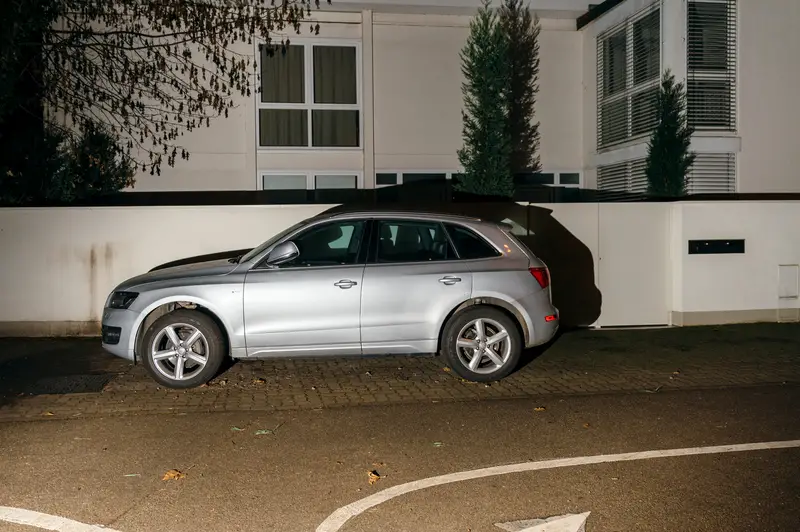
Here is a number that should make you rethink your parking spot: the inside of a car can climb to 120 degrees when it is only 73 degrees outside. In hotter states, that same cabin can blow past 130 degrees before lunch. Your car is basically a slow oven with cup holders. And the stuff you toss in there without a second thought? A lot of it does not do well in an oven. Some of it melts. Some of it warps. And a surprising amount of it can actually explode. Let me walk you through the things that really should not spend a July night baking in your back seat.
The Overnight Bag Is the Real Troublemaker
Think about what lives in your gym duffel or overnight bag. Spray deodorant. Hairspray. Dry shampoo. Maybe bug spray or a little travel can of sunscreen. Every single one of those is an aerosol can under pressure, and heat is their worst enemy. There is a simple bit of physics behind this. As the temperature rises, the gas pressure inside a sealed can rises right along with it. The longer that can sits in a roasting car, the closer it gets to blowing its top. Nearly every can carries a warning not to store it above 120 degrees, and your car laughs at that number on a normal summer day.
This is not a hypothetical. Back in 2017, a woman in Washington State left a can of hairspray sitting on her dashboard. It exploded with enough force to punch straight through her windshield. Picture coming back to that. So if you keep a bag of everyday sprays in your trunk for convenience, do yourself a favor and bring it inside.
Your Water Bottle Can Actually Start a Fire
This one sounds like something a kid would make up, but it is real. A clear plastic bottle of water sitting in direct sun can act like a magnifying glass. The curved plastic and the water inside bend the sunlight and focus it into a tiny, intense point. Aim that point at your seat fabric, a napkin, or a stray receipt, and you have the makings of a small fire. An Idaho Power crew actually filmed this happening, watching a water bottle scorch a car seat in real time.
Glass lenses do the same trick. A pair of glasses left face up on the dash can concentrate the sun onto anything flammable nearby. It takes a specific angle and a lot of sun, so it is not an everyday event. But when the conditions line up, that innocent bottle in your cup holder becomes a fire starter. Tuck bottles under a seat or in a bag where the sun cannot turn them into a lens.
That Bottle of Wine Will Not Survive the Night
Say you picked up a nice bottle of wine and forgot it in the back seat after grocery shopping. One hot night is all it takes to ruin it. A woman named Jacqueline in Los Angeles left an unopened bottle in her car overnight. By the next afternoon, the heat had forced the cork right out and dumped wine all over her back seat. Her car reeked of merlot for a solid week.
Sparkling wine is even more dramatic because it is already carbonated and under pressure. In one case out of the UK, a bottle of Prosecco exploded inside a car and racked up more than 3,000 dollars in damage. Fragments tore into the roof lining and wine soaked the interior. Even if a bottle does not blow, the heat basically cooks the wine and turns the flavor sour and flat. Beer gets the same treatment. Wine and beer both start changing above 78 degrees, which your car passes before you finish your coffee.
Lighters and Power Banks Are Tiny Bombs
A cheap plastic lighter seems about as dangerous as a paperclip until you leave it on a hot dashboard. Lighters are packed with pressurized butane, and butane expands fast when it heats up. Get it hot enough and the casing can crack, rupture, or straight up burst. Disposable and refillable lighters have both been tied to vehicle fires during heat waves.
Then there is the modern one nobody warns you about: the power bank. A lot of us keep one in the console for emergencies, which feels smart until you realize it is a rechargeable lithium-ion battery. In extreme heat those batteries can swell, smoke, and catch fire. There are documented cases of forgotten power banks torching car seats. Vapes are a double threat for the exact same reason, since they carry a lithium battery and flammable liquid in one little tube. If you would not want it in a campfire, do not store it in a summer car.
Soda, Chocolate, and the Sticky Aftermath
Not everything in the danger zone will explode through your windshield. Some of it just makes a disgusting mess. A can of soda is unlikely to blow like an aerosol, but the pressure inside will deform the can and can pop the seal, leaving a sticky brown lake across your floor mats. In Arizona, folks treat exploded soda, liquified lip balm, and melted crayons as normal summer experiences, not surprises.
Chocolate, gum, and candy will not start a fire, but they turn into a gooey coating on your seats that never fully comes off. Crayons are the sneakiest of all. A box of crayons under a kid’s seat melts, seeps into the fabric, then hardens into colorful wax the second the sun goes down. If you have kids, you already know the horror of a rainbow crayon fossil welded to your upholstery.
Your Phone Hates the Heat More Than You Think
We treat phones like they are indestructible, but heat is one thing they genuinely cannot handle. Apple says an iPhone or iPad is built to be used between 32 and 95 degrees and stored between minus 4 and 113 degrees. Your parked car blows right past that top number. When a phone overheats, features start shutting down, charging stops, the screen dims, the cell signal weakens, and apps crawl.
Laptops, tablets, cameras, and e-readers take the same beating. The plastic casing can warp, screens can crack, and the tiny processors and circuit boards inside can quietly cook. Here is the part that stings: even when the device still turns on afterward, all that heat shaves time off its lifespan. And a lot of manufacturers will not cover heat damage under warranty, so you eat the repair bill yourself.
The Stuff You Would Never Guess
Some items on this list will genuinely surprise you. Sunglasses, for one. Plastic frames soften and warp enough to change how they fit your face, plastic lenses can bend until they are useless, and metal frames get too hot to even put on. Your credit and debit cards are another shocker. Heat can warp or deform them, and that includes the chip cards, so you show up at the register with a card the reader refuses to read.
Old DVDs and CDs warp into unplayable frisbees. Pens and markers deform and leak ink everywhere. And leaving your passport, ID, or important paperwork in the car is a double loss. The heat can warp the pages and fade the ink until they are hard to read, and if someone breaks in, you have just handed a thief everything they need for identity theft. That is a bad afternoon in every direction.
How to Actually Keep Your Car Safe
None of this means you have to unpack your entire life every time you park. A few small habits handle most of it. The single best move is a windshield sunshade, which knocks the cabin temperature down and keeps the worst of the direct sun off your dash. Cracking your windows an inch also lets some of that trapped heat escape. Both are cheap and take about ten seconds.
For anything you truly need to keep in the car, use the trunk or tuck items under the seats so they stay out of direct sunlight. An insulated bag or a small cooler in the trunk buys you real protection for sprays, snacks, and electronics on a short trip. And the golden rule for the dangerous stuff, meaning aerosol cans, lighters, power banks, and vapes, is simple: just carry them inside overnight. It takes one trip from the driveway to the front door, and it beats replacing a scorched interior or a windshield with a hairspray-shaped hole in it. Your future self will thank you when the next heat wave rolls through.

