

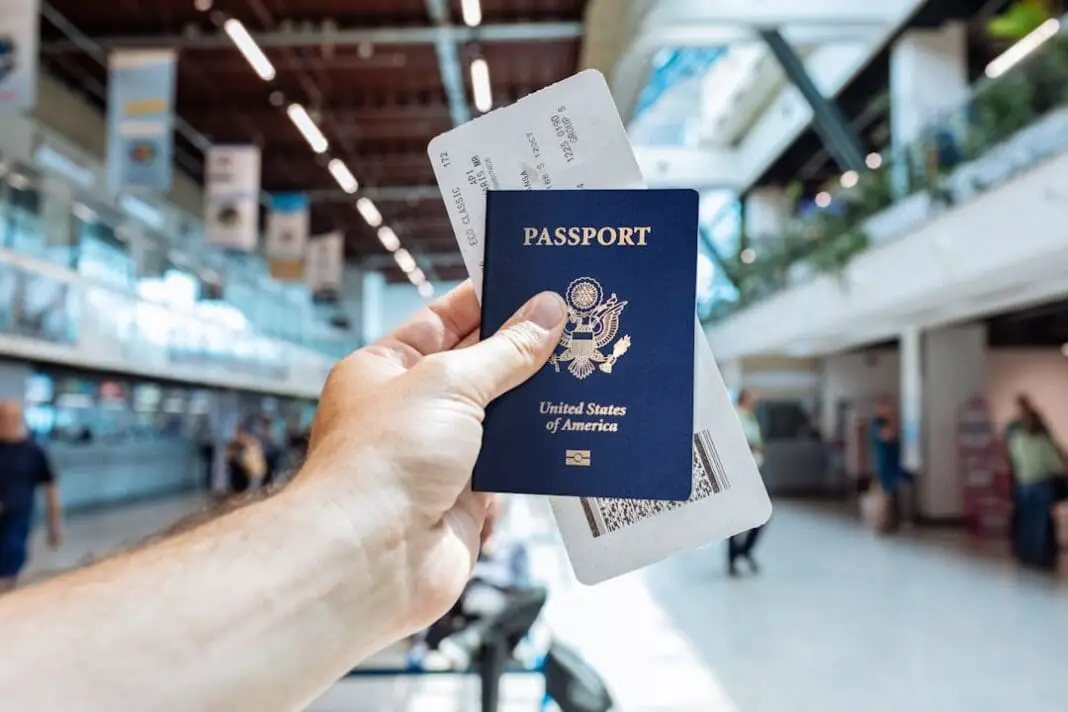
For most of your life, flying to Paris or Rome worked the same way. You booked a flight, packed a bag, showed a passport, got a stamp, and walked out into the sunshine to find a coffee and a croissant. No forms. No fees. No asking anyone’s permission. That easy arrangement is on its way out, and a lot of American travelers have absolutely no idea it’s coming.
Europe is rolling out a new system that will require U.S. citizens to get approved online before they even board the plane. It’s not scary, and it’s not expensive. But it’s a real change, and there are some genuinely surprising details buried in the fine print. Let’s get into the stuff most people are going to miss.
The 70-Year Free Ride Is Ending
Here’s something wild to sit with. From the 1950s all the way through 2025, Americans could enter Europe with nothing but a valid passport and a stamp at the border. That’s over 70 years of walking in without a visa or any advance paperwork. We’ve had it so easy for so long that most people assume it will stay that way forever.
It won’t. Roughly 37 million Americans visit Europe every year, and this new setup has been called the biggest border security overhaul since the Schengen Agreement back in 1995. When something touches tens of millions of travelers, you’d expect it to be all over the news. Instead, it’s slipping under the radar, which is exactly why so many people are going to get caught off guard at the airport.
It’s Not Actually a Visa (Even Though Everyone Calls It One)
The new system is called ETIAS, short for European Travel Information and Authorization System. People keep calling it a visa, and that’s not quite right. It works a lot like the ESTA form Americans already fill out. If you’ve ever helped a foreign friend visit the U.S., you’ve seen the version we make other people do. Now the shoe is on the other foot.
You apply online, answer some questions, and the approval gets tied directly to your passport number. There’s no document to print and no sticker to carry. When you land, the border officer scans your passport and sees the approval automatically. The form asks for your name, address, passport info, current job, whether you’ve traveled to conflict zones, and any criminal convictions. One detail that surprises people: it will not ask for health information or fingerprints. Those get handled somewhere else, and we’ll get to that part.
The Price Nearly Tripled Before It Even Launched
When ETIAS was first announced, the fee was supposed to be a tiny 7 euros. Basically the cost of a fancy latte. Then, in July 2025, the European Commission officially raised the fee to 20 euros. So before a single American had even applied, the price jumped by nearly three times. That’s roughly 22 bucks depending on the exchange rate, so it’s still not going to break anyone’s vacation budget.
The good news is you don’t pay every trip. One approval is valid for three years, or until your passport expires, whichever comes first. During that window you can go back and forth as many times as you want, as long as you stick to the 90 days within any 180-day period rule for short stays. So if you’re the type who hops to Europe once or twice a year, you’re paying about 20 euros to cover several trips. That’s actually a pretty reasonable trade.
The Launch Date Has Been a Circus
If you’ve heard about ETIAS before and thought “wait, wasn’t that supposed to start already?” you’re not losing your mind. This thing has been delayed more times than a summer flight out of a crowded hub. The original target was 2021. Then it moved to November 2023. Then 2024. Then the last quarter of 2026. Now reports point to 2027.
The delays got so bad that eu-LISA, the EU agency actually building the system, admitted a 2026 launch was no longer realistic. One source briefed on the situation flatly described that timeline as “illusory.” Ouch. Part of the holdup is technical, with lingering IT problems. The other part is strategic. Officials basically said they don’t want to launch a second system that doubles the lines while they’re still cleaning up the mess from the first one. Which brings us to the part nobody warns you about.
There’s a Second System, and It’s Already Causing Chaos
ETIAS gets all the headlines, but there’s a companion system that’s already live and it’s the one actually snarling up airports right now. It’s called EES, the Entry/Exit System, and it replaced the old passport stamp with a digital record. Remember how I said fingerprints get handled elsewhere? This is that elsewhere.
EES started a phased rollout on October 12, 2025, and became fully operational across all Schengen external borders on April 10, 2026. Instead of a friendly wrist-flick stamp, border officers now capture your fingerprints and a facial scan every time you enter and exit. The system tracks your days automatically, so there’s zero wiggle room on that 90-day limit. The rollout has been rough, with border queues hitting two to five hours at peak times and some airports pausing the system entirely just to keep the lines moving. If you’ve got a U.S. passport issued after 2006, it already has the chip needed for the automated kiosks, so at least that part is covered.
Scam Sites Are Already Charging Triple
This is the one I really want you to remember, because it’s already happening. ETIAS isn’t even fully live yet, and copycat websites have popped up charging 60 to 90 euros for the exact same authorization that officially costs 20. They dress themselves up to look official, take your money, and either pocket the difference or just submit the same form you could have done yourself.
The advice from people watching this closely is simple: use only the official ETIAS portal and skip the third-party “helpers” entirely. There’s nothing complicated about the form that justifies paying an extra 40 or 70 euros to someone else. When the system goes live, double-check the web address before you type in a single number. One tiny mistake, like entering the wrong passport number, can hold up your approval anyway, so you want to be on the real site paying attention.
The UK Wants Its Own Version Too
Here’s a trap for anyone planning a big trip that mixes London with the mainland. The United Kingdom is not part of this European system, and it built its own separate one. The UK version is called the ETA, and it became mandatory for Americans on February 25, 2026. It costs 16 pounds and is valid for two years.
So if your dream vacation is a week in England followed by a week in France and Italy, you’ll eventually need two separate approvals. One for the UK, one for the European countries. Different prices, different validity periods, different websites. It’s easy to knock out the UK one and forget the European one, or the reverse. Two systems, two fees, two sets of rules. Plan for both if your itinerary crosses that channel.
The Little Details Most People Skip
A few odds and ends here that are genuinely useful. If you’re under 18 or over 70, you’re exempt from the fee, but you still have to apply and get approved. So grandma travels for free, but she can’t skip the form. Everyone crossing that border needs the green light, no matter their age.
Another handy one: if your trip hits several European countries, you only need one ETIAS. It’s valid across all 30 participating countries, so you don’t apply separately for France, Spain, and Germany. You can even apply without locked-in travel plans by just listing one country you intend to visit, then change your route later and still be covered. You can also apply on someone else’s behalf by signing a declaration of representation, which is a lifesaver if you’re the family member who always plans the trips.
One more thing worth checking before any of this even matters. Your passport needs to be valid for at least six months after you arrive in the Schengen area. That rule already trips people up today, and it’s not going anywhere. Dig your passport out of the junk drawer and look at the expiration date now, not the night before your flight.
The takeaway is pretty straightforward. The days of showing up in Europe with just a passport and a smile are numbered. It’s not a visa, it’s not expensive, and most applications are expected to clear in minutes, though approval can stretch to a few days in some cases. Just do it yourself on the official site, watch out for the copycats charging triple, and remember the UK plays by its own rules. A little heads-up now beats getting turned away at the gate later.

