

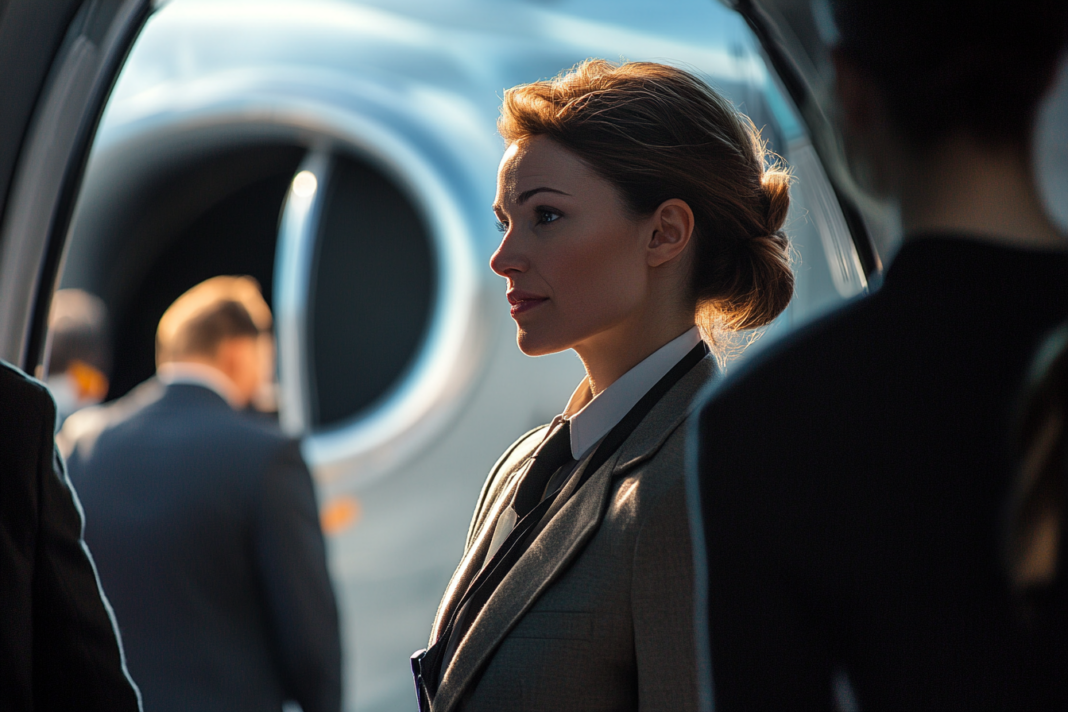
That friendly hello at the airplane door is more than just good manners. In about three to four seconds, flight attendants are silently sizing up every passenger who walks past them. They notice far more than most travelers realize, from the shoes on your feet to the expression on your face. This quick assessment helps them prepare for potential problems and identify passengers who might need extra help during the flight. So what exactly are they looking for when they flash that welcoming smile?
Your shoes tell them a lot about safety
Have you ever wondered why flight attendants always seem to glance down at your feet? It turns out that your footwear choice matters more than you might think. Amy Caris, a flight attendant and director of in-flight for JSX, says she always checks what kind of shoes passengers are wearing. The reason is purely practical. In an emergency evacuation, everyone needs to move quickly down an escape slide. High heels, flip-flops, and sandals can slow people down or cause injuries during these critical moments.
Flight attendants have a particular concern about flip-flops and bare feet on planes. If you kick off your shoes and walk to the bathroom without them, the crew notices immediately. They know exactly how dirty those cabin floors really are. Those floors are among the parts of the plane that rarely get thoroughly cleaned between flights. Wearing closed-toe shoes throughout your flight protects your feet from germs and debris. It also means you are ready to evacuate quickly if needed.
They notice if you might cause trouble later
One of the main reasons flight attendants greet passengers at the door is to spot potential problems before takeoff. They are trained to identify anyone who might become disruptive during the flight. This includes passengers who have had too much to drink or seem intoxicated in any way. According to a Delta flight attendant named Reginald D. Dominique, crew members pay close attention to behavior from the very first moment. Someone acting aggressively or arguing with a travel companion raises immediate red flags for the entire crew.
The numbers show why this matters so much. In 2024, US airlines reported over 2,100 cases of disruptive passengers. If someone seems drunk or aggressive while still at the gate, the crew can have them removed before the plane leaves. Once airborne, options become limited and dangerous. Flight attendants prefer to stop problems before they start. The goal is always a safe flight for everyone on board. Passengers who show warning signs early on will be watched closely throughout the entire trip.
Whether you could help in an emergency
While scanning the boarding passengers, flight attendants are also looking for people who could assist during an emergency. They call these passengers ABPs, which stands for able-bodied passengers. These are typically people who appear physically fit and capable of following instructions under pressure. The crew notes where these passengers are seated in case help is needed later. Someone who looks strong and alert might be asked to help with tasks like operating an exit door or assisting other passengers down the slide.
Delta flight attendant Dominique confirms that he pays attention to physical build during boarding. He makes mental notes about passengers who could assist if something goes wrong. If you are a doctor or nurse, mentioning that to a crew member can save valuable time during a medical emergency. The passenger information list also flags off-duty pilots and flight attendants since they already know emergency procedures. These trained individuals can be incredibly valuable assets during unexpected situations at thirty thousand feet.
The size and number of bags you are carrying
Flight attendants serve as the last line of defense against oversized carry-on bags. They can spot luggage that will not fit in the overhead bins from a mile away. According to Dominique, he tries to pay as much attention to bags as possible during boarding. He checks whether anything looks off or too large for the cabin. He also looks for hazard labels or tags indicating the bag should have gone to cargo. These details help prevent delays and keep the boarding process moving smoothly.
Trying to sneak extra bags onto the plane rarely works. While you might slip past the check-in counter or gate agents, flight attendants will notice immediately. They also pay attention to passengers struggling with their luggage. Someone having trouble lifting a heavy bag might need assistance getting it into the overhead compartment. The cabin crew watches for these situations so they can help or find an able-bodied passenger nearby to lend a hand. Checking airline size requirements before you travel saves everyone time and hassle.
How you respond when they say hello
That greeting at the door is actually a quick test. Flight attendants notice whether passengers acknowledge them with a smile or returned hello. Avalon Irizarry, who works for American Airlines, says the crew definitely pays attention to these small interactions. Someone who makes eye contact and responds politely makes a positive impression right away. On the other hand, passengers who seem rude or demanding from the start will be noted as potential problems. First impressions really do matter on an airplane.
Being friendly can actually work in your favor during the flight. Good airplane etiquette might earn you a free drink or extra snacks. Flight attendants remember passengers who treat them with respect. If upgrades become available or the flight is oversold, polite passengers who are well-dressed often get first consideration. Among cabin crew, there is even a term for passengers who crowd the gate before their boarding group is called. They call them gate lice. Waiting patiently and being respectful to everyone around you goes a long way.
Whether you seem nervous about flying
Fear of flying is more common than many people realize, and flight attendants can usually spot an anxious passenger instantly. They look for tell-tale signs like fidgeting, gripping armrests tightly, or displaying symptoms of nausea. The crew wants to know about nervous flyers so they can offer extra support during the trip. If you fall into this category, there is no reason to hide it. In fact, telling the crew about your worries can actually make your experience much better overall.
Flight attendants can make helpful adjustments for anxious passengers. They might move you to a seat in the center of the plane where turbulence feels less intense. Some crew members will make eye contact with nervous travelers during takeoff and landing to help them feel calmer. Veteran flight attendant Emilia Ryan encourages passengers to share any concerns or phobias with the crew. She emphasizes that helping passengers is never an imposition. The flight attendants genuinely want everyone to have a comfortable experience on board.
Your clothing choices matter more than you think
When flight attendants scan passengers up and down, they are evaluating clothing choices for safety reasons. Tight jumpsuits and complicated outfits can be difficult to adjust in the cramped airplane bathroom. But the bigger concern involves emergency evacuations. Someone wearing a miniskirt or very short shorts will have trouble going down an evacuation slide safely. All that exposed skin is also exposed to more germs since airplane seats are not cleaned as thoroughly as passengers might hope.
Sharp accessories and large jewelry also catch the attention of flight attendants. Big hoop earrings or anything that dangles could become a hazard during turbulence or an emergency exit. Crew members look for items that might puncture the evacuation slide. Natural fiber clothing is actually safer than synthetic materials like polyester, which is flammable. If someone boards wearing inappropriate or offensive clothing, they may be asked to cover up or given a blanket. Dressing comfortably and practically makes the entire flight better for everyone involved.
They can tell if you have been drinking
Had a few drinks at the airport bar before boarding? Flight attendants will likely pick up on that quickly. They are trained to recognize the signs of intoxication including slurred speech, unusual behavior, and unsteady walking. If someone appears too drunk to fly safely, they can be removed from the flight before it even takes off. One anonymous flight attendant confirmed that visibly intoxicated passengers can be denied boarding. Nobody wants someone drunk and erratic at thirty thousand feet.
Many travelers do not realize that bringing your own alcohol on board to drink is actually against the law. Both the passenger and the airline can be fined if this happens. One flight attendant mentioned recently confiscating a beer from a passenger that the gate agent had overlooked. This kind of behavior also gets noted on your passenger record. Future flight attendants will see warnings about past incidents and watch you more closely. The crew keeps what amounts to a permanent record of problem passengers.
Whether you are paying attention to safety information
Flight attendants notice passengers who ignore the safety demonstration. They see people scrolling through their phones, wearing headphones, or chatting loudly through the entire briefing. While it might seem boring if you fly frequently, the crew knows something important. Passengers who skip the safety information are less likely to follow instructions during an actual emergency. They may not know where the nearest exit is located or how to properly use their seat cushion as a flotation device.
Former flight attendant Lou Rod Cueva says the crew looks for passengers who are completely distracted during boarding. People texting or talking on phones can hold up the entire process. Ryan adds that flight attendants really appreciate when passengers remove their headphones or airpods during preflight safety instructions. The crew needs to know that everyone understands what to do if something goes wrong. Paying attention for just a few minutes shows respect for the crew and could make a real difference in an emergency situation.
Next time you step onto an airplane, remember that the greeting at the door serves multiple purposes. Flight attendants are working hard to ensure everyone has a safe and comfortable flight. They notice your shoes, your bags, your attitude, and even how much you have had to drink. Being polite, following the rules, and paying attention to safety information can make a real difference in how your trip goes. A little awareness on your part helps the entire crew do their job better.

