

Most people think emergency rooms only see dramatic accidents and obvious medical emergencies. But emergency room doctors witness something far more troubling: preventable injuries and deaths from everyday activities that millions of Americans do without a second thought. These medical professionals have a unique perspective on risk because they see the devastating consequences when ordinary daily habits go wrong. What seems harmless to most people can land someone in the ER fighting for their life.
Stopping prescribed medications without doctor guidance
When people start feeling better on medication, many assume they no longer need it and stop taking it on their own. This is particularly dangerous with medications for conditions that don’t cause obvious symptoms, like high blood pressure medication. People may feel fine while their blood pressure is actually dangerously high, leading them to believe the medication isn’t necessary. Emergency rooms regularly see patients who suffered strokes, heart attacks, or other serious complications after discontinuing medications without medical supervision.
High blood pressure is called a silent killer because it causes serious damage without obvious symptoms. Left untreated, it leads to heart damage, strokes, kidney problems, and other life-threatening complications. When medication is truly no longer needed, doctors can safely guide patients through the discontinuation process, often by gradually reducing doses rather than stopping abruptly. Emergency physicians emphasize that feeling good while on medication often means the medication is working, not that it’s unnecessary.
Never learning basic CPR skills
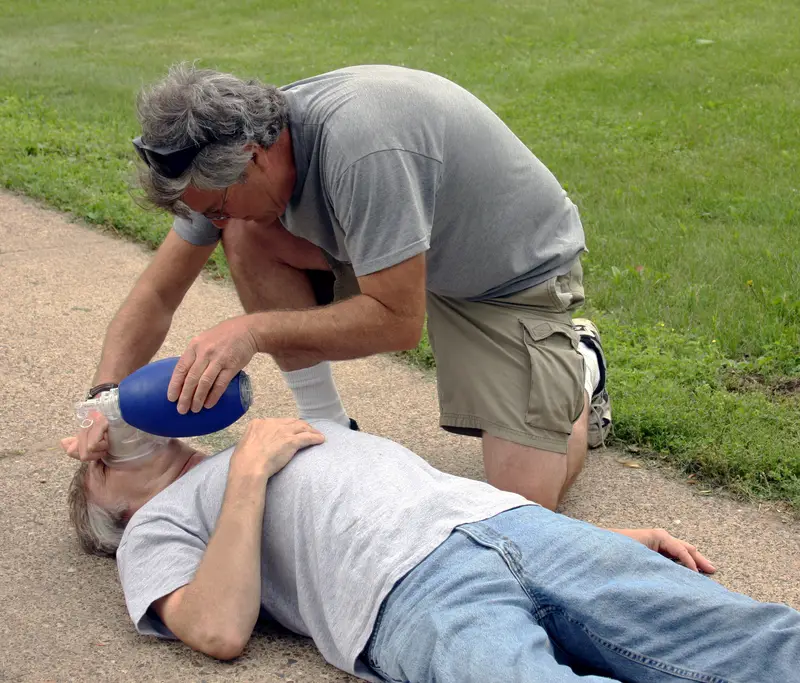
Most cardiac arrests happen at home, not in medical facilities. When someone’s heart stops, every minute without CPR dramatically reduces their chances of survival. Even the fastest emergency response takes several minutes, and brain damage begins within minutes of cardiac arrest. People who know CPR can double or triple a cardiac arrest victim’s chances of survival by providing immediate care until professional help arrives. Yet many adults have never learned this basic life-saving skill.
Learning CPR isn’t complicated, and the skills can be maintained with periodic refresher training. Many organizations offer CPR classes, including the American Red Cross and American Heart Association. CPR training kits are also available for home practice. Emergency physicians point out that most cardiac arrests occur around family members and friends, so learning CPR is essentially learning to protect the people closest to you. The skills are simple enough for teenagers to master, yet powerful enough to save lives when seconds count.
Taking supplements without medical consultation
The supplement industry markets products as natural and safe, leading many people to assume they can take them without medical oversight. This assumption is dangerous, especially for supplements marketed for weight loss or muscle building. Emergency room doctors see patients with serious liver and kidney damage from supplements that seemed harmless. Even natural-sounding ingredients like green tea extract can cause significant organ damage in certain circumstances or when combined with other medications.
The lack of regulation in the supplement industry means products can contain ingredients not listed on labels or in concentrations different from what’s advertised. Some supplements interact dangerously with prescription medications, while others can cause serious side effects on their own. Emergency physicians recommend consulting with a doctor before starting any new supplement regimen, especially for people taking other medications or with existing health conditions. This consultation can prevent dangerous interactions and identify potentially harmful products before they cause serious damage.
Allowing children to use trampolines
Trampolines might seem like harmless fun, but emergency room doctors have a different perspective on these backyard fixtures. They see a steady stream of fractures, dislocations, spinal injuries, and head injuries from trampoline accidents. The injuries are so common that some emergency physicians refer to trampolines as “broken bone factories.” Statistics show that trampoline-related fractures increased nearly 4% between 2008 and 2017, largely due to the growing popularity of trampoline parks.
The bouncing surface of trampolines creates unpredictable forces that can easily overwhelm a person’s ability to control their landing. Multiple users on one trampoline dramatically increase injury risk, as do flips, somersaults, and other advanced maneuvers. If families choose to have trampolines despite the risks, safety measures include allowing only one person at a time, ensuring adult supervision, and using proper safety equipment. However, many emergency physicians recommend avoiding trampolines entirely due to their high injury rates.
Skipping helmets while riding anything with wheels
Whether it’s a quick trip to the corner store on a bike or letting kids ride scooters in the driveway, the temptation to skip the helmet is real. Many people think helmets are only necessary for long rides or dangerous terrain. Emergency room doctors see a completely different reality. They treat preventable head injuries every single day from people who thought their short, familiar route was safe enough. Even professional athletes wouldn’t dream of competing without proper head protection, yet everyday people routinely risk traumatic brain injury for convenience.
The statistics behind helmet use reveal why doctors are so adamant about this protection. Bike helmets reduce the risk of head injury by up to 85%, yet many adults don’t wear them consistently. Children are especially vulnerable because their developing brains are more susceptible to injury, and they learn safety habits by watching their parents. When adults skip helmets, kids follow suit. Emergency physicians report that the number one predictor of whether children wear helmets is whether their parents do. A simple helmet can mean the difference between a minor accident and a life-altering brain injury.
Riding in cars without seatbelts or proper restraints
Some people still treat seatbelts as optional, especially for short trips around town or when sitting in the back seat. Others engage in dangerous behaviors like putting feet on the dashboard, hanging arms out windows, or cramming more people into a car than there are seatbelts. These seemingly minor safety shortcuts have major consequences. Emergency rooms see over 2.6 million people annually who were injured in car accidents, and many of these injuries could have been prevented or significantly reduced with proper restraints.
Children face even greater risks when car safety rules are ignored. More than 106,000 kids aged 12 and younger were injured in vehicle crashes in 2022, with 599 children dying from their injuries. Of those fatalities, 35% were not properly buckled up. The smaller bodies of children make them especially vulnerable to injury during crashes, which is why age-appropriate car seats and booster seats are crucial. Emergency physicians emphasize that proper restraints can mean the difference between walking away from an accident and facing life-threatening injuries.
Using phones while driving or walking
The urge to check that text message or answer a call while behind the wheel feels irresistible to many drivers. Others think walking while texting is harmless since they’re moving slowly. Emergency room doctors see the devastating results of both behaviors regularly. When someone reads or responds to a text while driving 55 mph, they travel the length of an entire football field without looking at the road. That’s enough distance for countless things to go wrong, from a child chasing a ball into the street to sudden traffic changes.
Pedestrians aren’t immune to phone-related accidents either. People absorbed in their devices miss changing traffic signals, trip down stairs, or walk into obstacles and other people. Emergency physicians report treating injuries from people who were so focused on their screens that they lost awareness of their surroundings. The simple act of putting the phone away while driving or walking can prevent serious accidents. Hands-free phone mounts and Bluetooth connections allow people to stay connected without compromising safety.
Getting cosmetic procedures without proper medical supervision
The appeal of cheaper, faster cosmetic treatments at medspas and non-medical facilities is understandable. These locations often offer procedures at a fraction of the cost and with shorter wait times than dermatologist offices. However, emergency room doctors are seeing increasing numbers of patients with serious complications from procedures performed without adequate medical oversight. What starts as a simple cosmetic enhancement can quickly become a medical emergency requiring immediate intervention.
The risks associated with unsupervised cosmetic procedures include severe infections, disfigurement, and temporary or permanent paralysis. Even treatments that seem routine can have serious complications when performed by inadequately trained staff or in non-sterile environments. Emergency physicians stress the importance of ensuring any cosmetic procedure is performed under proper medical supervision with qualified professionals. The money saved on cheaper treatments often pales in comparison to the cost of treating serious complications in an emergency room setting.
Careless food preparation with sharp knives
Home cooks often get comfortable with kitchen routines and let their guard down around sharp knives. Rushing through meal prep, cutting toward the body instead of away from it, or trying to slice foods while distracted leads to serious lacerations. Emergency room doctors report that certain foods are particularly problematic. Bagels cause numerous hand injuries when people try to slice them while holding them, and avocados are responsible for so many injuries there’s even a name for it: avocado hand.
Proper knife safety requires full attention and correct technique every single time. This means keeping eyes on the cutting surface, ensuring nothing except food is in the cutting plane, and maintaining control of both the knife and the food being cut. Stable cutting boards and properly maintained knives are essential tools for safe food preparation. Counter-intuitively, sharp knives are actually safer than dull ones because they require less pressure and are more predictable in their cutting action.
Taking dangerous shortcuts on ladders
Home improvement season brings a surge of ladder-related injuries to emergency rooms. People often skip basic safety measures when using ladders, thinking their project is too small or quick to warrant proper precautions. Common mistakes include setting up ladders on uneven ground, climbing too high, overreaching to avoid repositioning the ladder, or using ladders in windy conditions. These shortcuts frequently result in falls that cause fractures, head injuries, and serious sprains.
Safe ladder use requires following established guidelines every time, regardless of how routine the task seems. This includes wearing slip-resistant shoes, inspecting the ladder for damage before use, ensuring stable ground conditions, and maintaining three points of contact while climbing. Emergency physicians emphasize that most ladder accidents are completely preventable with proper setup and technique. The few extra minutes spent on safety precautions can prevent injuries that take months to heal.
Avoiding regular medical checkups and screenings
Many people only see doctors when they feel sick or experience obvious symptoms. This reactive approach to healthcare means missing opportunities to catch serious conditions in their early, more treatable stages. Emergency room doctors often encounter patients whose conditions could have been managed much more effectively if caught during routine preventive care. By the time someone shows up in the ER with symptoms, diseases have often progressed to more serious and harder-to-treat stages.
Regular medical checkups allow doctors to monitor changes in health status and catch problems before they become emergencies. Most insurance plans cover annual checkups, and many preventive screenings are available at no additional cost. Having an established relationship with a primary care provider also means having someone familiar with medical history when health problems do arise. Emergency physicians stress that preventive care is far more effective and less costly than emergency treatment of advanced conditions.
Taking supplements without medical consultation
The supplement industry markets products as natural and safe, leading many people to assume they can take them without medical oversight. This assumption is dangerous, especially for supplements marketed for weight loss or muscle building. Emergency room doctors see patients with serious liver and kidney damage from supplements that seemed harmless. Even natural-sounding ingredients like green tea extract can cause significant organ damage in certain circumstances or when combined with other medications.
The lack of regulation in the supplement industry means products can contain ingredients not listed on labels or in concentrations different from what’s advertised. Some supplements interact dangerously with prescription medications, while others can cause serious side effects on their own. Emergency physicians recommend consulting with a doctor before starting any new supplement regimen, especially for people taking other medications or with existing health conditions. This consultation can prevent dangerous interactions and identify potentially harmful products before they cause serious damage.
Stopping prescribed medications without doctor guidance
When people start feeling better on medication, many assume they no longer need it and stop taking it on their own. This is particularly dangerous with medications for conditions that don’t cause obvious symptoms, like high blood pressure medication. People may feel fine while their blood pressure is actually dangerously high, leading them to believe the medication isn’t necessary. Emergency rooms regularly see patients who suffered strokes, heart attacks, or other serious complications after discontinuing medications without medical supervision.
High blood pressure is called a silent killer because it causes serious damage without obvious symptoms. Left untreated, it leads to heart damage, strokes, kidney problems, and other life-threatening complications. When medication is truly no longer needed, doctors can safely guide patients through the discontinuation process, often by gradually reducing doses rather than stopping abruptly. Emergency physicians emphasize that feeling good while on medication often means the medication is working, not that it’s unnecessary.
Never learning basic CPR skills
Most cardiac arrests happen at home, not in medical facilities. When someone’s heart stops, every minute without CPR dramatically reduces their chances of survival. Even the fastest emergency response takes several minutes, and brain damage begins within minutes of cardiac arrest. People who know CPR can double or triple a cardiac arrest victim’s chances of survival by providing immediate care until professional help arrives. Yet many adults have never learned this basic life-saving skill.
Learning CPR isn’t complicated, and the skills can be maintained with periodic refresher training. Many organizations offer CPR classes, including the American Red Cross and American Heart Association. CPR training kits are also available for home practice. Emergency physicians point out that most cardiac arrests occur around family members and friends, so learning CPR is essentially learning to protect the people closest to you. The skills are simple enough for teenagers to master, yet powerful enough to save lives when seconds count.
Continuing to smoke despite known risks
Despite decades of public health warnings, millions of Americans continue smoking. Emergency room doctors see the immediate and long-term consequences of tobacco use regularly. Smoking affects nearly every organ system and increases the risk of cancer, heart disease, stroke, and chronic lung conditions. There is no safe level of smoking, and even light or occasional smoking carries significant health risks. The good news is that quitting at any age provides immediate and long-term health benefits.
Multiple resources are available to help people quit smoking, including telephone counseling, mobile apps, and medications. The CDC operates a national quitline at 1-800-QUIT-NOW that provides free counseling and support. Nicotine replacement products can help manage withdrawal symptoms during the quitting process. Emergency physicians emphasize that it’s never too late to quit smoking, and the health benefits begin almost immediately after the last cigarette.
Leaving children unsupervised around water
Drowning is the leading cause of death for children aged 1-4 years and the second leading cause of injury-related death for children aged 5-14. These tragic statistics reflect how quickly and silently drowning can occur. Children can drown in less than two inches of water and in less than 60 seconds. Even strong swimmers can get into trouble due to injuries, fatigue, or unexpected circumstances. Emergency room doctors stress that adult supervision must be constant and active, not passive watching from a distance.
Effective water supervision means having an adult in the water with non-swimmers and maintaining visual contact with all children around water. This applies to pools, lakes, rivers, bathtubs, and even large buckets or containers that can hold water. Pool safety equipment like fences, alarms, and covers provide additional protection but cannot replace active supervision. Alcohol and drugs should never be combined with water activities, as they impair judgment and reaction times when emergencies occur.
Allowing children to use trampolines
Trampolines might seem like harmless fun, but emergency room doctors have a different perspective on these backyard fixtures. They see a steady stream of fractures, dislocations, spinal injuries, and head injuries from trampoline accidents. The injuries are so common that some emergency physicians refer to trampolines as “broken bone factories.” Statistics show that trampoline-related fractures increased nearly 4% between 2008 and 2017, largely due to the growing popularity of trampoline parks.
The bouncing surface of trampolines creates unpredictable forces that can easily overwhelm a person’s ability to control their landing. Multiple users on one trampoline dramatically increase injury risk, as do flips, somersaults, and other advanced maneuvers. If families choose to have trampolines despite the risks, safety measures include allowing only one person at a time, ensuring adult supervision, and using proper safety equipment. However, many emergency physicians recommend avoiding trampolines entirely due to their high injury rates.
Interacting with unfamiliar animals
The temptation to pet an adorable dog or cat encountered in public spaces is strong, especially for children. However, even friendly-looking animals can react unpredictably to strangers, especially if they feel threatened or protective. Emergency room doctors treat numerous animal bites and scratches that could have been prevented by avoiding contact with unfamiliar animals. Wild animals pose even greater risks, as they may carry rabies, parasites, or other diseases that can be transmitted to humans.
Animal attacks can cause serious injuries beyond just bites and scratches. Large dogs can knock people down, causing fractures and head injuries. Even small animals can cause significant damage if they bite sensitive areas or if wounds become infected. Emergency physicians recommend teaching children to always ask permission before petting someone else’s animal and to avoid contact with stray or wild animals entirely. First aid supplies should be readily available for treating minor wounds, but serious bites require immediate medical attention for proper cleaning and potential rabies prevention.
These daily habits might seem harmless, but emergency room doctors see their devastating consequences regularly. The good news is that most of these risks are completely preventable with simple precautions and awareness. Taking a few extra seconds to put on a helmet, buckle a seatbelt, or set up a ladder properly can mean the difference between a normal day and a life-changing emergency room visit.

