

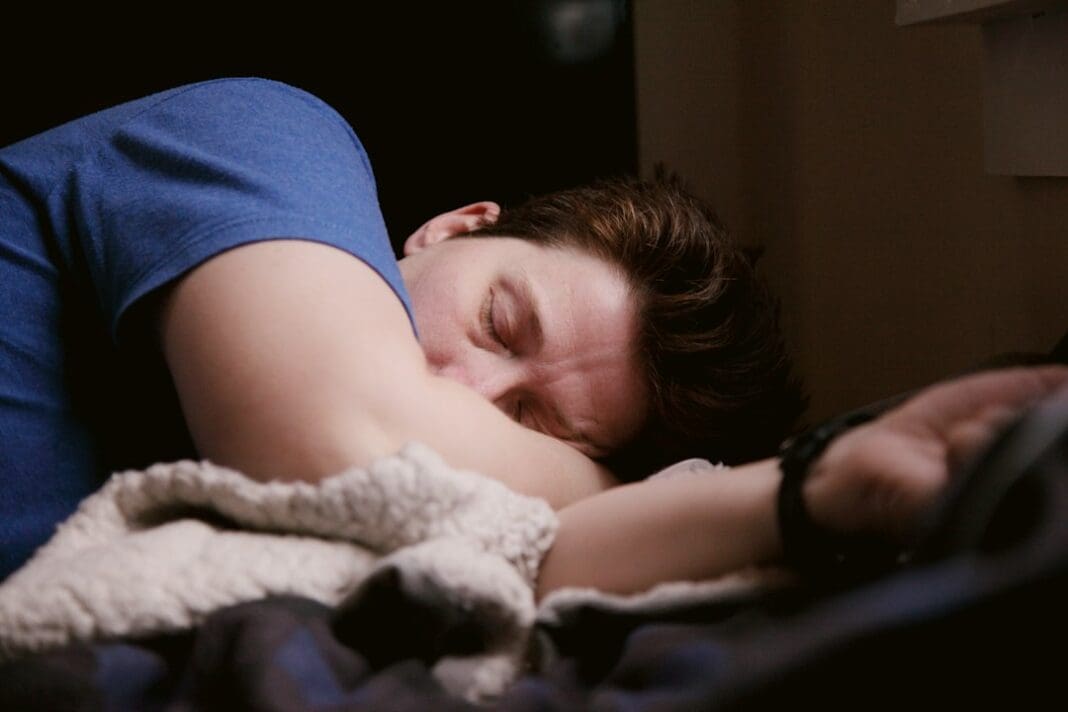
Most people climb into bed wearing whatever they had on for the last hour of the evening and never give it a second thought. Sleep researchers think about it constantly. The same short list of items keeps turning up in their advice, and the item sitting at the top of it is one most people never think to take off. Underwear.
The argument is not that underwear is dangerous. It is that the pair in your drawer was made for a desk chair and a commute, not for eight straight hours of pressure in the exact same spot.
The Layer Nobody Thinks To Take Off
The American College of Obstetricians and Gynecologists recommends underwear with a cotton panel and nothing tight-fitting, and for women with vulvodynia its advice is blunter: no underwear while sleeping. The reasoning is simple: skin in the groin and perineal area is thinner and more sensitive than the skin on your arms or legs, and bedtime adds another 7 to 9 hours of coverage on top of a full day of it.
Fit and fabric matter more than the act itself. Nylon and polyester do not absorb moisture well, so they sit warm and damp against skin all night. Elastic waistbands and leg openings press in for hours, which is where the red marks, the indentation lines, and the inner-thigh chafing come from. Loose cotton knocks out most of that in one move.
Men have a separate reason to go loose. Sperm production works best when the scrotal area runs roughly 2 to 4 degrees Celsius cooler than the rest of the body, about 4 to 7 degrees Fahrenheit, and tight underwear pulls everything closer in. A 2018 Harvard study published in Human Reproduction, which followed more than 650 men at a fertility clinic, found the boxer wearers had 25% higher sperm concentrations than men in tighter styles. If you want to keep something on, 100% cotton and loose is the version nobody argues with.
The Bra Myth That Will Not Die
Generations of women were told that sleeping in a bra keeps breasts from sagging. It does not. There is no scientific evidence that sleeping in a bra changes breast size, shape, fullness, or position on the chest, and no evidence it causes long-term problems either. The actual drivers of breasts sitting lower are pregnancy, weight gain or loss, aging, menopause, smoking, high body mass index, and larger breasts. A bra at night does nothing about any of them. It also does not affect breast growth during puberty, which is driven by hormones and genetics.
The flip side surprises people too. About a third of people with breast pain say it interferes with their sleep, and a soft, well-fitting bra is often the first thing recommended for that. After breast surgery, patients are frequently told to sleep in one for several weeks because it holds gauze and drains in place. Nursing bras get worn around the clock, though an overly tight one can suppress milk production and lead to plugged ducts.
The item to lose is a tight bra, not every bra. A high-impact sports bra can restrict circulation, and straps that cut into the shoulders all night are their own problem. Anything that leaves a mark in the morning is the wrong bra to sleep in.
That Microfiber Pajama Set Is Just Polyester
Sleepwear labeled microfiber is usually polyester, sometimes blended with nylon, with a nicer name on the tag. Polyester, nylon, and spandex all trap heat and moisture, which is why a set that feels buttery in the store leaves you clammy at 3 a.m. Sleep coaches put synthetics on their do-not-sleep-in list for exactly that reason.
Two smaller details hide in the construction. Dyes and wrinkle-resistant finishes, which show up more in dark-colored pajamas, can set off itchy red rashes that tend to appear at the armpits, groin, and backs of the knees. And metal snaps or zippers hold nickel against your skin for eight hours a night, every night, which is a lot more contact than a belt buckle gets.
Buttons, snaps, and tags also just press and itch. Pajama bottoms cinched with elastic that is slightly too tight cause soreness and chafing by morning. Scratchy lace is a bedtime problem dressed up as a good idea.
Your Body Cools About Two Degrees Overnight
Falling asleep is a cooling process. Your core temperature starts falling a couple of hours before bed and drops about 2 degrees Fahrenheit through the night, and extra layers around the midsection slow that down.
Tight clothing does more than trap heat. Binding waistbands and clingy tops press on circulation, which can leave you achy and restless, and constricting clothes can aggravate swelling and existing varicose veins. Spandex nighties, booty shorts, and that one shrunken T-shirt you refuse to retire are all working against the thermostat.
Sleeping with nothing on helps the body shed heat, and sleep experts believe that can mean better rest, though nobody has studied it directly. One practical note that rarely makes the lists: if you sleep in the buff, keep clothes within arm’s reach of the bed. Fire drills do not wait for you to find pants.
Socks Are Fine. Compression Socks Are The Problem.
The viral graphic warning that sleeping in socks damages the brain was a fake. Socks are one of the few bedtime items with real evidence behind them: a small 2018 study in the Journal of Physiological Anthropology found that six young men who wore bed socks in a cool room fell asleep 7.5 minutes faster, woke less often, and slept 32 minutes longer. Warming your feet helps your body shed core heat, which is the whole trick.
The pair you choose decides whether it works. Tight socks can press on nerves hard enough to make your feet fall asleep and wake you up, which is the opposite of the point. Polyester and rayon trap sweat; cotton or merino wool do not.
Compression socks are the ones to leave off. They are built to squeeze, and wearing them overnight is not something to do unless a healthcare professional told you to. People with diabetes or peripheral artery disease should ask before sleeping in socks at all. And if your feet sweat no matter what you put on them, let them breathe.
Earplugs Every Single Night Are A Different Story
Earplugs buy you quiet, and quiet is worth a lot. Nightly use is where doctors push back. Plugging the canal for eight hours traps moisture and bacteria, which raises the odds of ear infections, and regular use can pack earwax into a blockage instead of letting it work its way out.
There is also the alarm problem. Good earplugs do not distinguish between your neighbor’s bass and your smoke detector. Sleeping through both is a real risk, not a hypothetical one.
Occasional use is a different thing entirely, and silicone plugs are generally a better pick than foam for anyone who reaches for them often. Ear pain, redness, itching, a feeling of fluid in the ear, or muffled hearing is the signal to stop. Before going nightly, the usual advice is to fix the room first with a white noise machine or heavy curtains.
The Watch You Wear To Track Your Sleep
Millions of Americans now strap on a device at bedtime specifically to measure how well they rest. The one warning about wearing them all night comes from Devra Davis, whose advocacy group, the Environmental Health Trust, campaigns against wireless radiation. In 2014 she suggested keeping the tracker off your wrist overnight, since people tend to sleep with their hands up near their heads.
The complaints that come up most are mundane: pressure marks, skin irritation when the band is strapped tight or the watch heats up, soap or lotion trapped underneath, bright screens and buzzing notifications, and the band catching on bedding when you roll over. A device that wakes you up to tell you how you slept has failed at its job.
Then there is the score itself. Some people end up anxious about their numbers, which is its own kind of sleep problem. Worth remembering, too: the sleep data you generate every night can end up linked to broader health records.
Earrings, Mascara, And Yesterday’s T-Shirt
Jewelers are blunt about earrings at bedtime. A post or hoop can snag on your hair or your pillowcase and tear straight through the earlobe, and it happens to people who have worn the same pair for years without incident. Take them out.
Makeup left on overnight blocks pores and brings on breakouts, and flecks of dried mascara and eyeshadow migrate into your eyes, which is enough to wake you up on its own. Two minutes with a cleanser beats lying there blinking at 2 a.m.
Falling into bed in the clothes you wore all day drags whatever those clothes collected into your sheets with you. The gym shirt, the work pants, the hoodie you wore on the subway. Your bed is the one place that gets eight hours of direct skin contact.
What To Put On Instead
Loose and natural is the whole formula. Cotton is soft and cooling, though it does not wick well, so it turns uncomfortable if you get night sweats. Linen is breathable and handles heat and moisture better, but it wrinkles and costs more. Silk regulates temperature in both directions and is slippery, pricey, and often dry clean only. Bamboo comes out soft, naturally wicking, and hypoallergenic. Wool wicks and works warm or cool. Flannel is wonderful in January and miserable if you run hot.
Skip the tight elastic, the metal snaps, the itchy tags, and the scratchy lace. Nothing should leave a line on your skin by morning. If you keep underwear on, make it loose cotton; if you keep a bra on, make it soft and well-fitting; if you wear socks, make them lightweight and natural.
One last thing, because it reframes the entire debate. Pajamas began as the loose trousers worn in Persia and India, British colonials carried them home, and they only started replacing the nightshirt in the late 1800s. Pajamas are a recent habit, not an ancient rule. Wearing less of it is not weird. It is closer to how humans slept for most of history.

