

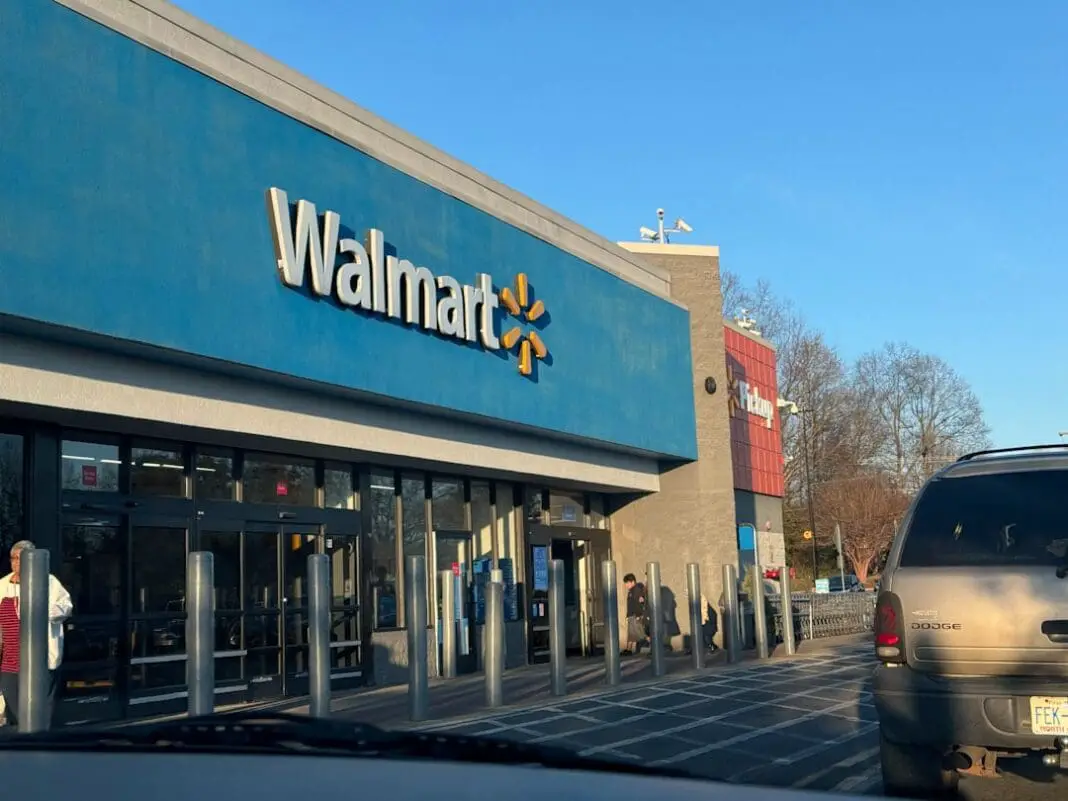
Walmart isn’t just moving a few shelves around next year. The company that nearly every American has walked into at some point is changing who runs it, how you pay, how your stuff gets delivered, and even what’s inside its cheapest store-brand snacks. Some of this you’ll notice the second you walk in. Some of it is happening quietly in the background. Either way, the Walmart you knew in 2024 is not the Walmart you’ll be pushing a cart through in 2026. Here’s what’s actually going on, and some of it genuinely surprised me.
The Guy in Charge Is Leaving After 40 Years
On January 31, 2026, Doug McMillon steps down as Walmart’s CEO. He’d held the top job for almost 12 years and worked at the company for more than four decades total. Here’s the part people don’t know: he didn’t parachute in from some fancy business school corner office. He started as an hourly worker. His replacement, John Furner, did the exact same thing. Furner has run Walmart U.S. since 2019, and he too began punching a clock as an hourly employee before climbing all the way up. McMillon isn’t fully vanishing either. He’s sticking around in an advisory role for another 12 months. Two hourly employees ending up as CEO of the biggest retailer in the country is a wild stat when you think about it.
Paper Price Tags Are on Their Way Out
Those little yellow paper price tags you’ve stared at your whole life are being replaced by tiny electronic screens called digital shelf labels. As of early 2026, about 2,300 stores already had them. Walmart plans to have them in all 4,600 U.S. stores by the end of the year. The reason is simple. The average Walmart store carries more than 120,000 products, and thousands get price updates every single week. Doing that by hand means workers walking miles of aisles swapping paper. One team leader in Ohio told reporters the new screens cut her pricing work by 75%, which freed her up to actually help shoppers. No more hunting for someone to do a price check.
Not Everyone Is Thrilled About the New Tags
Here’s where it gets interesting. When a price can change with a click from headquarters, some people start wondering if the price could change based on… you. Walmart says the digital labels are not for surge pricing, and that everyone in a store pays the same price at the same time. But the company was granted two AI pricing patents in early 2026. One describes a machine that forecasts demand and recommends prices using purchase history and customer data. That raised eyebrows in Washington. Two U.S. senators introduced a bill to ban dynamic pricing in stores, and New York already passed a law about disclosing algorithmic pricing in late 2025. Walmart keeps insisting the screens aren’t for that. Still, the fact that the technology exists is enough to make some folks squint at the shelf.
You Can Now Buy Groceries Without Leaving ChatGPT
This one still feels like science fiction to me. Back in fall 2025, Walmart teamed up with OpenAI so you could actually buy products right inside ChatGPT. You type what you need, and an “Instant Checkout” feature lets you complete the purchase without ever opening the Walmart app or website. Then in 2026, Walmart added a second partner, Google’s Gemini, so it wasn’t tied to just one AI. There’s also Walmart’s own chatbot called Sparky living in the app. The whole idea is to catch you earlier, while you’re still deciding what to buy, instead of waiting for you to come to them. McMillon put it bluntly, saying AI is going to change literally every job at the company. The AI also learns your shopping habits over time to suggest things it thinks you’ll want.
650 Stores Are Getting a Full Makeover
Walmart is remodeling more than 650 Supercenters and Neighborhood Markets in 2026, plus opening about 20 brand-new stores. This is the third year in a row they’ve committed to updating at least 650 locations, which tells you they’re still betting big on physical stores even with Amazon breathing down their neck. The remodels bring wider aisles, updated layouts, new signage, and private consultation rooms at the pharmacy and vision centers. The neatest detail? Walmart started a rapid remodel program that shrinks the update timeline from several months down to just one month. The company spent just over $5.5 billion on remodels in a single fiscal year. If your local store suddenly looks brighter and easier to move through, that’s why.
Texas Is Getting Serious Attention
If you live in Texas, you’re in the middle of the action. Walmart plans to overhaul 72 Texas stores in 2026 alone. Over the past five years, the company has poured more than $2.5 billion into upgrading its stores across the state. A new Supercenter is coming to Celina, and the Tucson, Arizona store is getting expanded too. But the Texas detail that jumped out at me isn’t even a store. Walmart is opening a brand-new milk processing facility in Robinson, Texas, which is expected to create over 400 jobs. Walmart making its own milk is a reminder of just how much of your grocery run is now controlled by one company, from the cow to the cash register.
Great Value Is Getting Its First New Look in Over a Decade
Great Value, the store brand that launched way back in 1993, is getting its first full redesign in more than ten years, and it’s the biggest private-brand overhaul in Walmart’s history. The new packaging will touch nearly 10,000 products. The first items rolling out with the fresh look include snacks, cereals, cream cheese, and sour cream. Here’s a number that shocked me: Great Value shows up in 9 out of 10 U.S. households, and the average family saves roughly 35% a year buying it instead of name brands. Store brands are no joke anymore. Private-label sales hit $330 billion in the U.S. in 2025, about a quarter of the whole market. And Gen Z shoppers are on track to be the most loyal store-brand buyers around.
The Recipe Change You Probably Won’t Even Notice
Alongside the new packaging, Walmart is quietly reformulating its store-brand foods. By January 2027, Great Value, Marketside, Freshness Guaranteed, and Bettergoods will drop artificial dyes and more than 30 other additives, including names like Red 40, Yellow 5, and Blue 1. Walmart says about 90% of its private-label products were already free of synthetic dyes, so this basically finishes the job across the whole lineup. The company says it’s responding directly to customers. According to Walmart, 62% of shoppers want more transparency about what’s in their food, and 54% regularly read the ingredient list. Furner said the change came straight from customer feedback. Most people won’t taste a difference, but the labels are going to read a lot simpler.
Drones Might Actually Drop Off Your Order
Yes, Walmart is doing drone delivery, and it’s expanding fast. The plan is to reach 270 stores by the end of 2027, up from 120. The service already stretches to over 40 million shoppers in new markets like Los Angeles, Houston, and Miami. Picture a small aircraft dropping your order in the backyard in minutes. It’s not perfect yet. Right now, each drone needs a human spotter watching it, which slows growth. There have also been complaints about noise, safety, privacy, and drones simply not flying in bad weather. Amazon and DoorDash are chasing the same idea. Guggina, Walmart’s e-commerce chief, said the tech meets customers earlier and works across different platforms, so you don’t have to rely only on the app. Whether your neighbors love the buzzing overhead is another story.
Put it all together and 2026 is a genuinely different chapter for Walmart. New leadership, electronic price screens, AI you can shop through, hundreds of remodeled stores, a fresh look for the brand in nearly everyone’s pantry, and drones buzzing over the suburbs. Some of it makes shopping faster and cheaper. Some of it makes you wonder how much one company should know about your buying habits. Either way, next time you roll a cart through those big automatic doors, take a look around. It’s changing more than you’d think.

