

Let me tell you something that might sting a little. That “secret” spot where you stash your emergency cash or your grandmother’s ring? It’s probably the first place a burglar would look. Not the fifth. Not the tenth. The first.
I used to feel pretty smug about my own hiding spots until I started reading what actual convicted burglars and security consultants have to say about the subject. Turns out, most of us are basically leaving a trail of breadcrumbs to our most prized possessions. We think we’re being clever, and meanwhile, the average break-in lasts just 8 to 10 minutes. That’s it. Burglars don’t wander around admiring your throw pillows. They have a mental checklist, and they execute it fast.
So here are the three hiding spots that are basically handing your stuff over on a silver platter, plus what you should actually be doing instead.
Spot #1: The Master Bedroom (All of It)
This one isn’t just bad. It’s catastrophic. According to an NBC New York poll of convicted burglars, 75% said the bedroom is the very first room they’d hit during a break-in. Three out of four. That’s not a trend. That’s a consensus.
And it makes total sense when you think about it. The master bedroom is where people keep the things closest to them. Jewelry, watches, extra cash, firearms, passports, important documents. It’s the personal vault of the house, and every burglar on the planet knows it.
Within the bedroom, there’s a greatest hits list of terrible hiding spots:
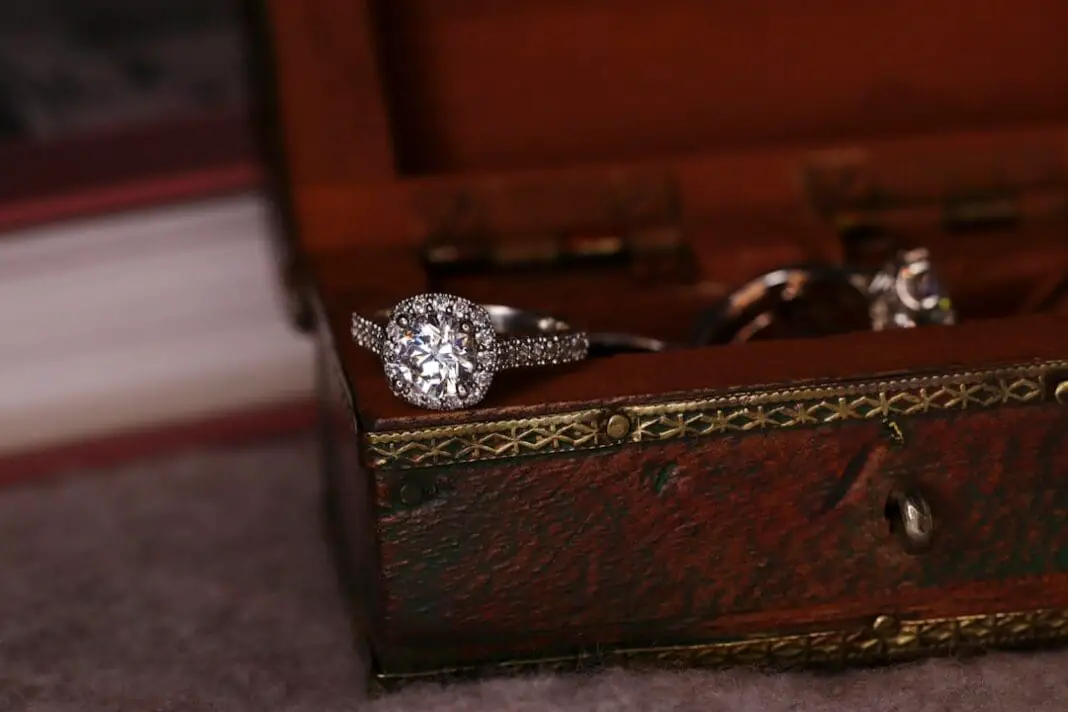
The jewelry box on the dresser. One security source described this as “like a neon sign pointing to treasure.” It’s literally a container designed to hold valuable items, sitting out in the open. A thief doesn’t even need to open it on the spot. They just grab the whole thing, tuck it under their arm, and sort through it later in the comfort of their own home. Even if it’s full of costume jewelry, the box itself screams “something worth taking is in here.”
Under the mattress. Security expert Chris McGoey, president of McGoey Security Consulting, and Robert Siciliano, a security analyst, both say this is one of the oldest tricks in the book. According to a University of Leicester study, 30% of burglars check under the mattress while looting. It takes a thief about two seconds to flip a mattress. If your cash or passport is under there, it might as well be sitting on the kitchen counter.
Dresser drawers, nightstand drawers, the sock drawer, the underwear drawer. The National Burglar and Fire Alarm Association estimates that 40% of burglars check bedroom drawers first when they break into a house. One security expert called the underwear drawer the “absolute worst hiding spot that somehow remains popular.” People think it’s private, it’s personal, nobody would look there. Every burglar looks there. They pull the drawers out, dump them on the floor, and sort through the pile in seconds.
The closet. Pockets get checked. Shoeboxes get opened. Suitcases get unzipped. McGoey says “suitcases are common things people use as a safe even though it’s not a safe.” If you’ve got a nice watch tucked into the pocket of a winter coat, a burglar who’s done this more than twice is going to find it.
The master bedroom is ground zero. If you’re hiding anything of value in that room, in any spot within that room, you’re playing a game where the odds are overwhelmingly against you.
Spot #2: The Kitchen and Freezer
I know what you’re thinking. “But nobody would look in my freezer! It’s buried behind the frozen peas!” Wrong. According to the National Association of Burglary Investigators, 15% of burglars specifically examine the freezer while searching for valuables. That number might sound low compared to the bedroom stats, but consider this: 15% of burglars are trained to think about your freezer. That’s not a random guess. That’s a known tactic they’ve studied and practiced.
The freezer trick went mainstream years ago. Maybe it was a movie. Maybe it was a viral tip shared a million times on the internet. Whatever the origin, the secret got out, and now it’s not a secret anymore. Burglars will open your freezer and look for anything that seems out of place. A Ziploc bag that doesn’t quite look like it belongs. A sock (seriously, who keeps a sock in the freezer?). An aluminum foil package that doesn’t match anything else in there.
Robert Siciliano from Hotspot Shield has an interesting take on this. He says if you absolutely must use the freezer, at least wrap your valuables in a bag that used to hold blueberries or some other normal food item. Make it look like it genuinely belongs. But even then, you’re banking on the thief being in a rush and not squeezing the bag, which is a pretty thin hope.
The rest of the kitchen isn’t much safer, either. Burglars who have the time will go through cereal boxes, pantry containers, and cookie jars. The cookie jar in particular is practically a cliché at this point. It’s the freezer’s cousin in terms of “everybody thinks this is genius, and everybody is wrong.”
Spot #3: The Home Office (Especially Labeled Files)
This one is sneaky because it’s not just about losing physical stuff. It’s about identity theft, and that can cost you way more than a stolen watch.
In that same NBC New York survey, 26% of burglars said they’d check an office or study. That makes it the second most popular room in the house, behind only the bedroom.
Here’s where it gets really painful. A lot of people are extremely organized with their files. They’ve got neat labels on their folders. “Passports.” “Birth Certificates.” “Financial Documents.” “Insurance.” This is wonderful for your own record-keeping and absolutely terrible for security. You’re basically building a filing system for a burglar. They don’t need to search. They just need to read.
Think about what’s in your home office right now. Backup hard drives with years of personal data. Financial statements. Maybe a spare checkbook. Business equipment that has resale value. A desk drawer with a stack of emergency cash. All of it is sitting in a room that a quarter of experienced burglars are trained to hit.
And unlike jewelry or cash, stolen identity documents can haunt you for years. A burglar who swipes your passport and Social Security card isn’t just taking things. They’re taking your identity, and cleaning that up is an absolute nightmare.
Bonus: The Portable Safe That Isn’t Safe at All
I need to mention this because so many people think buying a safe solves the problem. It doesn’t, unless you install it correctly.
A portable safe that’s sitting on a shelf or the floor of your closet is basically a locked box with a handle. A burglar sees it and thinks, “Whatever’s in there must be really good, because they bothered to lock it.” Then they pick it up, walk out the door, and crack it open later at their leisure.
If you’re going to invest in a safe, it needs to be bolted to the floor or mounted inside the wall. Otherwise, you’ve just made the burglar’s job easier by putting all your valuables in one convenient, portable container.
So Where Should You Actually Hide Things?
Okay, so if the bedroom, the freezer, and the office are all compromised, what’s left? Actually, quite a bit.
The garage, inside boring looking boxes. Security experts say this is one of the least expected places for valuables. A dusty box labeled “College Textbooks 1980” or “Baby Clothes” sitting among 30 other dusty boxes? A burglar on an 8 minute clock is not going to methodically open every single one. The more boxes you have, the less likely any individual box gets searched.
A child’s room. This sounds counterintuitive, but burglars almost never search a kid’s room for adult valuables. They might grab a tablet or gaming console that’s visible, but they’re not digging through bins of LEGOs and stuffed animals looking for your diamond earrings. Parents who hide valuables in creative spots within their children’s rooms are using one of the least targeted areas in the house.
A wall safe mounted behind artwork or a mirror. This is the option security professionals consistently recommend. A safe that’s hidden behind a picture frame and bolted into the wall studs is extremely difficult for a burglar to deal with in under 10 minutes. They can’t carry it, they can’t easily pry it out, and they might not even find it in the first place.
The decoy strategy. Some experts suggest putting a small, cheap safe in an obvious spot (like the bedroom closet) stocked with fake jewelry or a small amount of cash. The idea is that when a burglar finds it, they think they’ve hit the jackpot and leave without searching further. It’s basically a sacrificial lamb for your real valuables.
The fake bottom of a trash can. No burglar wants to dig through garbage. Full stop.
The Bigger Picture
According to FBI data, 72% of burglaries happen when nobody is home. That means you usually won’t be there to confront anyone or call for help during the actual event. Your hiding spots are your last line of defense, and if you’re using the same ones everyone else uses, you’re not defended at all.
The 83% stat is also worth knowing. That’s the percentage of burglars who look for a security system before attempting a break-in, and 60% of them will move on if they spot one. So a visible security system combined with smarter hiding spots is a pretty solid combination.
But the simplest takeaway is this: if a hiding spot has ever appeared in a movie, been shared as a “life hack” online, or seemed clever to you after about two seconds of thought, a burglar already knows about it. The best hiding spots are boring, inconvenient, and time-consuming to search. That’s exactly what makes them work.

