

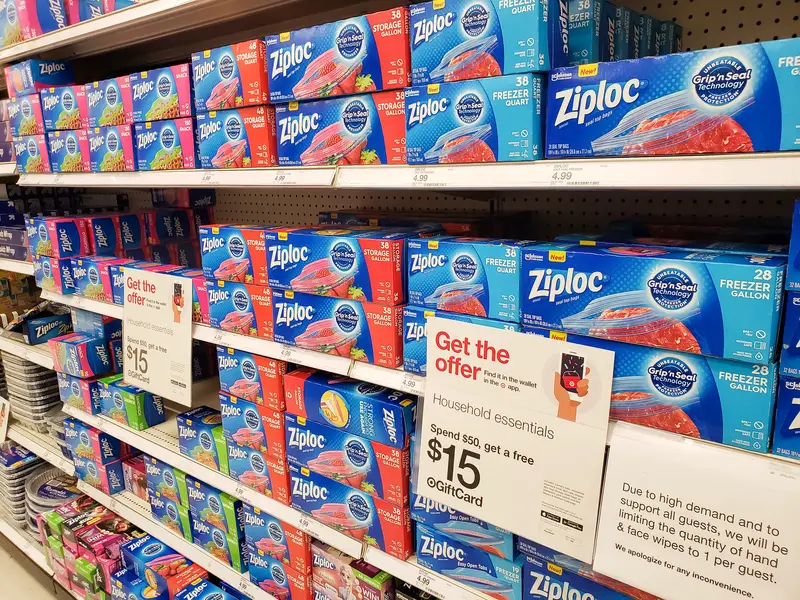
Ziploc bags seem pretty straightforward, right? You open them, toss in a sandwich, seal them up, and call it a day. But here’s the thing: most people are making some pretty big mistakes with these handy plastic pouches. Some of these errors can ruin your food, damage your belongings, or just waste money. The good news is that once you know what to avoid, you can actually use these bags in ways you never imagined. From protecting your electronics to starting a garden, there’s a lot more to these simple bags than meets the eye.
Storing liquids in DIY cut bags is risky
You might have seen that viral hack where people cut a Ziploc bag in half with a hot knife to make two smaller bags. It looks pretty clever on social media, and yes, it technically works. The heated knife melts the plastic together, creating what looks like a sealed edge. But here’s where things go wrong. Those newly created seals are far from perfect. They end up with tiny holes along the edges that you might not even notice at first glance.
So what does this mean for you? If you try to store soup, juice, or any liquid in one of these DIY cut bags, you’re going to have a mess on your hands. The tiny holes mean leaks are almost guaranteed. Even storing something like yogurt or applesauce could end in disaster. These modified bags also aren’t great for long-term food storage because air can seep in through those imperfect seals. If you need smaller bags, just buy the snack-size ones instead of risking a soggy lunchbox catastrophe.
Using your best knife for plastic cutting hacks
If you do decide to try that hot knife trick, please don’t grab your expensive kitchen knife. This is a mistake that can cost you a lot more than a few dollars worth of plastic bags. When you heat a knife blade directly with a flame, you’re exposing it to temperatures it wasn’t designed to handle. This can warp the blade, ruin the temper of the steel, and basically destroy a perfectly good tool.
Kitchen knives are made with specific heat treatments that give them their sharpness and durability. Holding one over a lighter or gas flame messes with all of that careful engineering. Instead, if you really want to try this hack, grab an old butter knife that you don’t care about. That way, if it gets discolored or warped, you won’t be crying over your ruined chef’s knife. Your cooking tools will thank you for keeping them away from open flames.
Melting plastic in a room without ventilation
Here’s something that might surprise you about those bag-cutting hacks. When you use a hot knife to melt plastic, you’re releasing fumes into the air. These aren’t the kind of fumes you want to be breathing in, especially in a closed space like a small kitchen. Many people don’t think twice about this because the amount of plastic seems so small, but it adds up quickly if you’re making multiple bags.
The smart move is to do any plastic-melting projects in a well-ventilated area. Open some windows, turn on a fan, or better yet, do it outside if you can. This is especially important if you’re planning to cut apart several bags at once. A few seconds of melting plastic might not seem like a big deal, but your lungs will appreciate the fresh air. When in doubt, just skip the hack altogether and use bags in their original form.
Pouring grease down the drain instead of bagging it
After cooking bacon or frying something delicious, what do you do with all that leftover grease? If you’re pouring it down the sink, stop right now. That grease might be liquid when it’s hot, but once it cools down in your pipes, it turns into a solid, gunky mess. Over time, this builds up and can completely clog your plumbing. Fixing a grease-clogged drain is expensive and gross.
Here’s where your Ziploc bags come in handy. Instead of sending that grease down the drain, pour it into a bag while it’s still warm enough to be liquid. Seal it up tight and let it cool on the counter or in the fridge until it hardens completely. Once it’s solid, you can just toss the whole thing in the trash without worrying about leaks or spills. Your pipes stay clear, your kitchen doesn’t smell like old grease, and your plumber stays home where they belong.
Taking electronics to the beach without protection
Have you ever gotten sand inside your phone? It’s one of those frustrating experiences that can ruin a perfectly good beach day. Sand gets into every tiny opening, scratching screens and jamming up buttons. And let’s not even talk about what happens when saltwater splashes onto your electronics. That combination of sand, water, and sunscreen is basically a death sentence for phones and tablets.
The simple solution is to slip your phone into a Ziploc bag before you hit the sand. The bag creates a barrier against all those damaging elements while still letting you use your touchscreen through the plastic. You can check messages, take photos, and scroll through social media without exposing your device to the elements. This trick works great for hiking dusty trails or anywhere else your electronics might be at risk. It’s not as fancy as a waterproof case, but it’s free and you probably already have bags at home.
Leaving important documents unprotected at home
Most people know to put their passport in a Ziploc when traveling. It keeps it safe from spilled drinks, rain, and other travel mishaps. But what about all those important papers sitting in your home right now? Birth certificates, Social Security cards, property deeds, and other vital documents are probably just sitting in a drawer or filing cabinet, completely exposed to whatever might happen.
Floods, burst pipes, and roof leaks can happen when you least expect them. If your important papers get soaked, they can become illegible and nearly impossible to replace. A simple Ziploc bag provides a water-resistant barrier that could save you hours of headaches down the road. The transparent plastic also makes it easy to see what’s inside without having to open anything. It takes about two minutes to organize your vital documents this way, and you’ll be grateful if disaster ever strikes your home.
Getting messy hands when mixing food coloring
Anyone who has dyed Easter eggs or made rainbow cookies knows the struggle of food coloring. That stuff gets everywhere, especially on your hands. You can scrub and scrub, but those bright colors seem to hang around for days. It’s particularly annoying when you’re trying to color coconut for a cake or mix coloring into cookie dough evenly. The traditional method involves a lot of stirring and inevitably stained fingers.
The Ziploc solution is brilliant in its simplicity. Put whatever you need to color into a bag, add your food coloring, seal it up, and squish everything around until it’s evenly mixed. Your hands stay completely clean because they never touch the dye directly. The bag does all the mixing work for you. When you’re done, just cut a corner off the bag and squeeze out the colored contents. No more looking like you finger-painted for a week straight.
Scrubbing stove burners when you could soak them
If you have a gas stove, you know how grimy those burner grates can get. All that baked-on food and grease seems impossible to remove, no matter how hard you scrub. Most people spend way too much time and elbow grease trying to clean these things, only to end up with arms that ache and burners that still look dirty. There has to be a better way, right?
There is, and it involves Ziploc bags and ammonia. Put each burner in its own bag with about a quarter cup of ammonia, seal it up, and let it sit overnight. You don’t need to submerge the burners completely because the fumes do most of the work. The next morning, that stubborn grime wipes off with barely any effort. Just make sure you do this in a well-ventilated area and wear gloves when handling the ammonia. Your stove will look almost new again.
Buying seed starter kits when bags work fine
Spring rolls around and suddenly everyone wants to start a garden. The garden centers are packed with expensive seed starting kits, grow lights, and all sorts of fancy equipment. But did you know you can get seeds sprouting with something you probably already have in your kitchen drawer? Ziploc bags make surprisingly effective mini greenhouses that cost next to nothing to set up.
The process is simple. Place your seeds on a damp paper towel inside a Ziploc bag and seal it mostly shut. The bag traps moisture and creates a warm, humid environment that seeds love. Put it somewhere with indirect light and wait for the magic to happen. You can watch the seeds sprout right through the clear plastic. Once they’ve germinated, transfer them to soil. It’s a budget-friendly way to start your garden without spending money on equipment you’ll only use once a year.
Ziploc bags are one of those everyday items that most people take for granted. They get tossed in a drawer and only come out for sandwiches or leftovers. But now you know better. From protecting your phone at the beach to keeping your important documents safe from water damage, these simple bags can do so much more than hold your lunch. The key is knowing what to avoid and what creative uses actually work. Next time you reach for a Ziploc, think beyond the sandwich and see what else you can accomplish.

