

Your hair is dripping on the bath mat, the mirror is still fogged, and you are already stepping into clean underwear because you are running late. That is the exact moment worth slowing down. Getting dressed before your skin is genuinely dry is the post-shower habit that medical professionals keep telling people to drop, and the fix costs you about three minutes.
Clothes Go On Last, Not First
No matter how thoroughly you pat yourself down, you are never completely dry when you step out of the shower. Pulling on clothes right away seals all that leftover moisture against your skin, and the groin area is where it matters most. Warmth plus dampness is the combination doctors point to when they talk about yeast overgrowth, which is why sitting in wet clothes and wearing tight, non-breathable fabrics are both on the list of things to avoid.
The practical workaround is to reorder your morning. Do your hair, brush your teeth, put on makeup while you are still undressed. A bra and a shirt are fine to put on while your lower half finishes drying. Underwear waits until the skin is actually dry, and plain cotton is the material doctors keep recommending because it lets skin breathe and moisture escape.
Sitting around wrapped in a wet towel is not the answer either. A dry cotton pair while you finish getting ready beats a damp towel every time, and it beats rushing into jeans by a mile.
The Three-Minute Rule Nobody Follows
The American Academy of Dermatology says to put moisturizer on immediately after you pat dry, while your skin is still damp, and its eczema guidance puts a number on it: within three minutes of getting out of the water. The reason is blunt: after that, the water sitting on your skin starts evaporating, and the hydration you just took on goes with it.
Water on its own does not hydrate you. That is the counterintuitive part. A long soak can leave skin drier than it was before you turned the tap on, because hot water and cleanser strip away the oils that normally hold water in, and then the air finishes the job.
You do not need to coat yourself like a Thanksgiving turkey. A thin, even layer that actually covers the skin is enough, with extra attention on elbows, knees, shins and heels. If you are layering anything, go thinnest to thickest. A quarter-sized amount per limb is a reasonable starting point.
Stop Drying Yourself All The Way Off
Toweling until every trace of water is gone is a mistake, and it is the one most people make without thinking. Slightly damp skin absorbs moisturizer better than bone-dry skin, and the leftover water is part of what you are trying to seal in. Pat until you are damp, not wet, not dry.
Rubbing is the other problem. Dragging a rough towel across your skin irritates it, especially when it is already dry, and over time that shows up as redness and sensitivity. Blotting gently removes the water without scraping off what is left of your natural oils.
Two spots are exceptions and should be dried properly: between your toes and anywhere skin folds over skin. Trapped water there does the opposite of what you want. The rest of you can stay a little damp while you reach for the lotion.
Your Towel Is Probably Filthy
A damp towel is a breeding ground for bacteria, yeast, mold and viruses, and a dirty one has been linked to athlete’s foot, ringworm, jock itch and warts. Change or launder yours at least once a week, more often when you are sick or when the house is humid in summer.
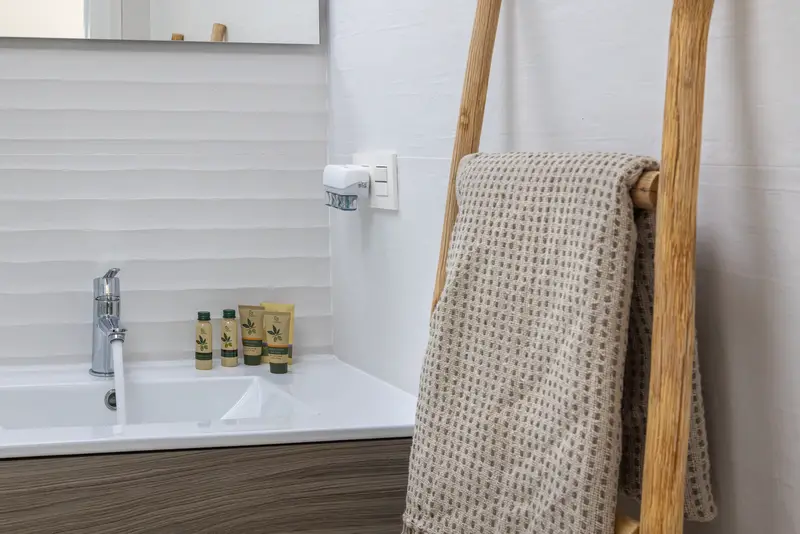
How you hang it matters more than you would guess. Spread it out across a towel bar instead of bunching it on a hook, because it dries faster that way and a towel that dries between uses stays cleaner.
Then there is the loofah, which is basically a sponge full of hiding places. Clean it weekly by soaking it in diluted bleach for five minutes and rinsing well, store it somewhere cool and dry rather than in the shower, and replace a natural loofah at least every 3 to 4 weeks. A plastic one gets 2 months.
Give The Deodorant A Minute
Rolling on deodorant the second you step out is a small habit with an annoying payoff. Skin is still warm and damp from the steam, and strong ingredients can sting or leave you red, especially sprays and roll-ons loaded with alcohol or synthetic fragrance.
Wet skin is the real problem. The American Academy of Dermatology says antiperspirant applied to dry skin is less likely to cause irritation, so the towel comes first and the roll-on second.
Waiting a few minutes for your skin to dry and cool down solves both. Dry off, moisturize your body, do your hair, then hit the armpits.
Your Retinol And Your Scrub Can Wait
Fresh out of the shower feels like the perfect time to exfoliate or slap on an active treatment. It is the worst time. Skin is more permeable right then, which means strong ingredients go deeper than they were designed to go, and the barrier that normally slows them down is temporarily out of commission.
That applies to acids, scrubs, picking at anything, and the retinoid family: retinol, adapalene and tretinoin. The American Academy of Dermatology says to wait 20 to 30 minutes after washing before you put on a retinoid, since they can make dry skin drier.
The one thing that genuinely works better after a shower is a face mask. Steam softens whatever is clogging your pores, so the mask has less to fight through. Exfoliating, if you do it, goes before moisturizer and not after, and once or twice a week is plenty.
Hot Water Costs You More Than Long Showers Do
Heat is the variable people underestimate. Hot water dissolves the oils your skin makes to seal itself, far faster than lukewarm water does, and then you step out into a cooler room and the evaporation speeds up. Turning the dial down even a little changes how your skin feels an hour later.
Keep the whole thing to 5 to 10 minutes. That is the range doctors land on, and it matters more if you deal with eczema or psoriasis, which hot water tends to aggravate.
Daily showering is also more of a habit than a requirement. Unless you are grimy or sweaty, a few times a week is enough for most adults, and the American Academy of Dermatology notes that children aged 6 to 11 can get by with once or twice a week. Your scalp makes less oil as you get older too, so daily shampooing becomes less necessary, not more.
You Are Soaping The Wrong Parts
Most of your body does not need soap to get clean. Armpits, groin, feet, hands and face are the zones that earn it. Warm water handles the rest, and skipping the lather on your arms, legs and back keeps them from drying out in the first place.
Antibacterial soap is the other overcorrection. It kills off good bacteria along with everything else, and it dries skin faster than mild soap does. A gentle cleanser with added oils, or a shower gel with moisturizer in it, does the job without the trade-off. Fragrance-free is the better bet if your skin reacts to things, since fragrance is one of the top triggers for irritation.
Worth checking: your laundry detergent. Scented detergent and fabric softener leave residue on towels, and that residue transfers straight onto wet skin when you dry off. If you itch after every shower and cannot figure out why, the towel is a suspect.
And Yes, About Peeing In The Shower
Alicia Jeffrey-Thomas, a pelvic floor physical therapist in Massachusetts, has warned in a TikTok video that the habit can teach your brain to connect running water with the urge to go. Her explanation: “We want to avoid training our bladder to associate certain signals with the urge to pee. In this case, peeing in the shower associates the sound of running water with urination or with submersion in water.”
That association does not stay in the shower. She said it can spread to other sounds, like running a tap or washing dishes, and to being in bodies of water. She also advised against the common habit of going “just in case,” along with pushing urine out and hovering over the toilet seat.
Kegels get a caveat too. Her advice is that pelvic floor exercises should only be done after talking to a specialist, rather than picked up from a video. The NHS lists its own suggestions for anyone dealing with leaks, including pelvic floor exercises, Pilates, treating constipation and limiting caffeine and alcohol, and it specifically advises drinking enough fluids, because cutting back on liquid can shrink bladder capacity and make things worse.
The Bathroom Itself
Your showerhead is a comfortable home for bacteria, which thrive in those small, damp, dark holes, and when the water starts running they can get into the air. Running hot water for a minute before you climb in helps, as does draining the head when you are done and occasionally removing it and cleaning it in boiling water.
Falls are the unglamorous risk nobody plans for. A CDC study counted about 235,000 emergency room visits for bathroom injuries among Americans 15 and older in a single year, and two-thirds happened in or around the tub or shower. A grab bar and a nonslip mat cost less than a single urgent care visit.
Run the fan every time, and leave it on after you finish until the humidity drops. Steam that lingers works its way into woodwork and drywall and invites mold. Give the shower curtain a clean on a regular schedule too, because soap scum builds up faster than you think.
Add it up and the whole correction is small. Pat instead of rub, moisturize inside three minutes, let the deodorant wait, and keep your clothes on the hook until your skin is actually dry. Four changes, three minutes, no products you do not already own.

