

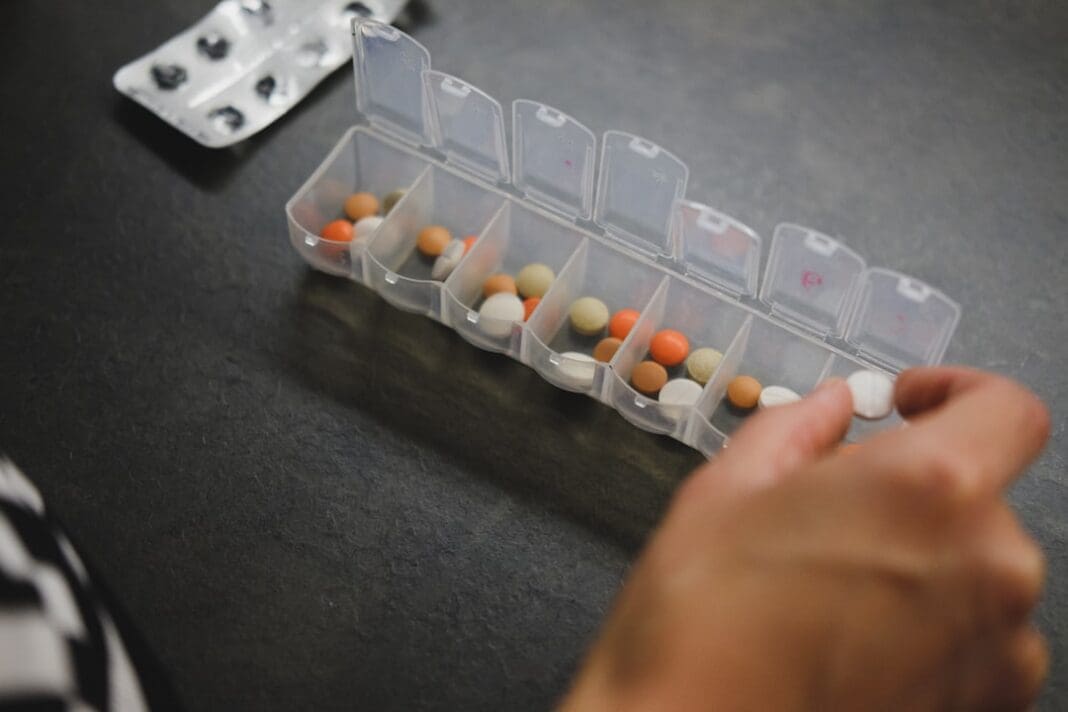
The little mirrored cabinet hanging over your bathroom sink comes with a job printed right into its name. The medicine cabinet. And that name might be the most successful bad idea in the entire history of American home design. Ask almost any pharmacist and they will tell you the bathroom sits near the very bottom of the list of good spots to keep your pills. Yet that is exactly where most of us shove the ibuprofen, the leftover antibiotics, and every orange prescription bottle we own.
Once you learn why, you cannot unlearn it. And the fixes are almost embarrassingly easy. Here are the odd little truths about where your medicine actually belongs, and why the room it lives in right now is quietly working against it.
The Medicine Cabinet Is the Worst-Named Thing You Own
Think about what a bathroom does all day. You run scalding showers. You fill the tub. The mirror fogs, the walls sweat, and the temperature swings up and down every time somebody turns on the hot water. Now think about what pills need. A cool, dry, steady spot. Those two descriptions could not be more opposite if you tried.
Experts have gone so far as to say the bathroom breaks every rule of smart medication storage. Heat, moisture, and constant temperature changes all gang up on your pills in there. The cabinet earned its name back when indoor plumbing was newer and nobody thought hard about steam. The name stuck. The logic never did.
Your Shower Turns the Room Into a Swamp
Here is a number that surprised me. The steam from a hot shower can push bathroom humidity past 90 percent. Most medicine wants to live below 60 percent humidity. So every time you rinse off, you are basically parking your pills inside a rainforest for twenty minutes.
That moisture is not harmless background noise. If you have ever dropped a tablet in the sink and watched it start to crumble, that is the same thing happening in slow motion inside the bottle. Moisture creeps in, the pill starts breaking down, and it can lose strength long before the printed expiration date. One pharmacist even pointed out that steamy bathrooms are a lovely home for mold, and mold on the pills you swallow is nobody’s idea of a good morning.
That Cotton Ball in the Bottle Is Working Against You
You know the little wad of cotton stuffed in the top of a new pill bottle? Most people leave it in there, figuring the factory put it there for protection. Toss it. The government’s own medicine guide says to take the cotton out the moment you open the bottle.
The reason is almost funny. That cotton was only meant to stop the pills from rattling into dust during shipping. Once the bottle is open, it flips from helper to troublemaker. Cotton is thirsty. It pulls moisture out of the air and holds it right against your tablets. So the thing you assumed was keeping the pills safe is actually inviting the exact dampness you are trying to avoid. Pull it, throw it away, and keep the pills in their original bottle with the cap sealed tight.
One Common Heart Pill Needs Glass, Not Plastic
Nitroglycerin is the tiny tablet people slip under the tongue when chest pain hits. It is picky in ways almost nobody realizes. It starts breaking down fast above 77 degrees, and it needs to stay in its original glass container. Plastic actually speeds up how quickly it falls apart.
That means dumping it into a plastic weekly organizer or leaving it in a warm bathroom is a double mistake. A batch that has cooked in the heat might do nothing at all in the one moment a person is counting on it. Same story with thyroid pills, which get thrown off by heat, humidity, and light all at once. A bunch of the pills we treat as ordinary are secretly divas about where they sleep.
Insulin Can Quit While Looking Perfectly Fine
This one is sneaky. Insulin starts to weaken above 80 degrees and drops off a cliff above 90. The unsettling part is that heat-damaged insulin can look completely normal in the vial. Same clear liquid, same color, no warning at all. It simply does less than it should.
A lot of hormone-based medicine works this way because it is built from proteins, and proteins change their shape when they get too warm. Think of an egg white going from clear to solid in a pan. You cannot flip it back. Once heat rearranges the structure, the medicine is not the same, even if your eyes tell you otherwise. That is why a hot bathroom shelf is such a bad neighbor for anything protein-based.
The Boring Bedroom Drawer Beats the Fancy Cabinet
So where should this stuff actually go? The winners are almost laughably plain. A bedside dresser drawer or a bedroom closet shelf checks every box. Cool, dark, dry, and steady all year long. A kitchen cabinet works too, as long as you pick one far from the stove, the sink, and the dishwasher.
The bedroom tends to win because it does not get blasted with steam or splashed with water, and the temperature barely moves. No special box, no gadget, no money spent. You just move the bottles about thirty feet down the hall and they are instantly in a better home. It is one of those changes that costs nothing and takes ninety seconds.
Half of Hooked Teens Started With a Home Cabinet
There is a second reason to rethink where your pills live, and it has nothing to do with steam. Researchers found that more than half of teenagers who got hooked on prescription medication first got their hands on it by taking someone else’s pills from inside the home.
The bathroom cabinet is the first place anyone looks, because that is where everyone puts everything. A guest, a teenager, a kid, all of them know the routine. Tucking pills out of sight and out of easy reach, ideally with a lock or a child latch, quietly closes that door. Storing medicine well is not only about keeping it strong. It is also about deciding who can and cannot grab it while you are not looking.
The Glove Box Is Just as Bad
People love to leave a bottle of pain relievers or an allergy pill in the car for emergencies. Skip it. A car glove compartment swings through the same wild temperature and humidity extremes that wreck bathroom storage, only worse.
On a sunny day, the inside of a parked car can climb above 140 degrees in a shockingly short time. That is oven territory for something as delicate as medicine. A quick errand run is one thing, but a bottle that lives in your center console all summer is basically slow-roasting. If you need pills on the go, carry them on you and bring them back inside when you park.
Your Weekly Pill Organizer Has a Catch
Those Sunday-through-Saturday plastic organizers are great for remembering doses. But they come with a trade-off almost nobody mentions. Once pills leave their original bottle, they lose the light and moisture protection that the sealed container gave them. The little compartments offer almost nothing against the environment.
The rule of thumb is to only fill your organizer with what you will actually take within about a week, not a full month’s supply. And it is worth asking your pharmacist which of your specific pills are even okay to move, since a few, like that glass-bottle heart tablet, should never be transferred at all. Original packaging exists for a reason, and blister packs and dark bottles are quietly doing a job.
If Your Mail-Order Bottle Feels Warm, Pick Up the Phone
More of us get prescriptions shipped to the porch now, and there is a hidden weak point in that chain. Packages can sit in hot warehouses and trucks for hours or days before they reach you. One pharmacist gives a simple gut check. If the actual pill bottle feels warm to the touch when you open the box, call the pharmacy right away.
She had another clever tip for anyone stuck in a sweltering apartment with no good cool spot. Drop the medicine in a small cooler with an ice pack for the hottest part of the day. It sounds fussy, but for the pills that really matter, a five-dollar cooler beats a baking windowsill.
None of this requires a shopping list or a weekend project. Open the bathroom cabinet, scoop everything out, and give it a new home in a bedroom drawer or a dry kitchen shelf away from the stove. Pull the cotton, check the dates, and lock up anything you would not want small hands or curious teenagers finding. The most obvious spot in the house was never the right one. It just had a very convincing name.

