

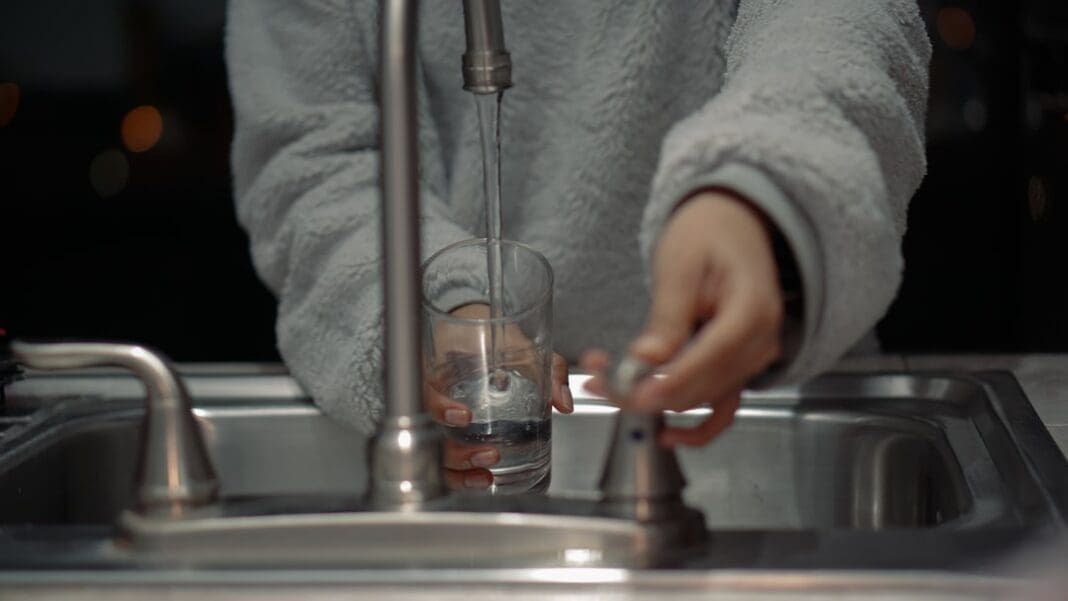
At home, you fill a glass from the sink without thinking twice. You brush your teeth, drop ice in your soda, rinse a strawberry, done. It’s automatic. But the second you cross certain borders, that same little habit can wreck an entire trip. And here’s the thing nobody mentions when they stamp your passport: the list of countries where the water is actually cleared as fine straight from the tap is a lot shorter than you’d ever guess.
The Number That Should Stop You Cold
Ready for a stat that reshuffles how you see the world map? Out of every country on the planet, only about 50 got the top rating of “safe to drink” from the tap. Fifty. That’s it. The CDC sorts places into three buckets: high risk, caution, and safe. The overwhelming majority of the globe lands in the first two.
Zoom out further and it gets wilder. The UN estimates around two billion people live without reliably managed drinking water. So when you assume tap water is a basic given everywhere, you’re actually describing the exception, not the rule. Americans tend to forget that because our sinks just work.
Mexico, Where The Ice Cube Is The Real Villain
Mexico is the number one international destination for Americans, and the rule there is absolute. Tulum, Cabo, Mexico City, doesn’t matter. The CDC says skip the tap and the ice made from it. That second part is the trap that gets people.
You can be careful all day, only order sealed bottles, and then reward yourself with a margarita from a street stall. Guess where the ice in it came from? The same tap you spent all week avoiding. The cane sugar and lime cover the taste completely, so you’d never know. One traveler described losing two full vacation days to a bathroom floor after a single slip. And here’s the detail people ignore: brush your teeth with bottled water too, especially in an Airbnb. You put more of that water in your mouth than you think.
Egypt Has A Curse With A Nickname
Travelers to Egypt talk about something called “Pharaoh’s Revenge,” and it’s common enough to have earned that name. What surprised me is the reason. The water actually leaves treatment centers in decent shape. The problem is everything between the plant and your faucet.
Cairo and other cities run on aging pipes that pick up trouble along the way. On top of that, buildings in hot climates often store water in rooftop tanks, and unless those get cleaned regularly, they turn into a warm little breeding pool sitting in the sun. Egypt’s main source is the Nile, which carries plenty of stuff you don’t want in a drinking glass. Here’s the kicker: even brushing your teeth with the tap is discouraged, and Egypt is the rare place where you should avoid tap water even on a cruise ship parked in its waters. That’s an exception to the usual onboard rules.
Cuba’s Twist: You Might Not Find Bottled Water Either
Most “don’t drink the tap” advice comes with a simple backup plan: just buy bottled. Cuba throws a wrench in that. Alongside occasional cholera outbreaks and general waterborne risk, supply chain snags mean bottled water can straight-up vanish from store shelves.
So you’re stuck: don’t drink the tap, but also can’t always buy the safe stuff. And the mojito problem is real here too. In rural spots, that sweet cane sugar can hide the taste of water you’d otherwise never touch. This is the one place where packing your own filter bottle isn’t a nice-to-have, it’s the plan.
Even The Locals Won’t Drink It
There’s a myth that gets a lot of tourists in trouble: “the locals drink it and they’re fine, so I’ll be fine.” Sometimes that’s true and your stomach just isn’t used to the local bugs. But in plenty of places, the locals aren’t drinking it either.
Take Indonesia. The water quality is rough enough that Indonesians themselves boil or filter before they use it. UNICEF figures showed that back in 2017, about 67% of household water was contaminated with fecal matter, and that number crept slightly worse by 2026 even after a government sanitation push. When the people who live there every day treat their own tap water like a hazard, that’s your answer. Don’t try to out-tough the locals.
The Spots That Fool Smart Travelers
Here’s where people get overconfident. They assume “developed” equals “drinkable,” and that’s just not how it maps out. Most of Western Europe is fine. But most of Eastern Europe is not considered safe from the tap, and the border between the two isn’t obvious when you’re hopping trains.
The Caribbean surprises people too. Somewhere like the Bahamas has very little natural fresh water and leans on desalination, so bottled or filtered is the smart call even at a resort. Meanwhile, the gold-star examples are the ones you might not brag about. Iceland and Japan have some of the cleanest tap water going. Japan, South Korea, and Singapore are solid, while their neighbors Thailand, Vietnam, China, and India are generally a no. It’s not about how modern the skyline looks. Tokyo is a mega-city with tap you can trust, and plenty of other big cities aren’t. The lesson: check the specific country, not the vibe.
Your Odds Are Worse Than A Coin Flip
Travelers’ upset stomach has been called the most predictable travel problem there is, and the numbers back that up. Depending on where you go, anywhere from 30% to 70% of travelers get hit. On the high end, that’s more people than not. And with tourism at a record 1.52 billion trips in 2025, that’s a lot of ruined afternoons.
Symptoms usually show up 12 to 72 hours after the bad sip, so you often can’t even trace it back to the exact drink. The usual culprit is a bacteria, a strain of E. coli that thrives in water supplies without solid purification. Most cases pass in a few days on their own. But “a few days” is basically your whole long weekend, or the exact stretch you booked that snorkeling tour for. As the saying goes, the fastest way to torpedo a vacation isn’t a pickpocket. It’s the water.
Not All Water Bottles Are Created Equal
This part actually changed how I pack, because there’s a distinction most people miss. A “filter” and a “purifier” are not the same thing. Filters catch bacteria, parasites, and microplastics. Purifiers do all that plus viruses, which are way smaller and slip right through a basic filter. For rougher destinations, viruses are exactly what you’re worried about, so a plain filter can give you false confidence.
The name that keeps coming up as the top pick for international trips is the Grayl UltraPress. It presses water through a purifier cartridge in under 10 seconds, kind of like a French press, and it handles viruses. The popular LifeStraw is great for hiking in North America or Europe, but it’s a filter, not a purifier, so it does not stop viruses. If you’re heading somewhere with shaky sanitation, that difference matters more than the price tag. There’s also the SteriPen, a UV pen with nothing to replace, which makes it an easy carry-on for city trips where virus risk is lower.
The Real Takeaway
None of this is about being paranoid or scaring yourself out of a great trip. It’s about not getting blindsided by the one thing you never think about because you never have to at home. The travelers who get burned aren’t reckless. They’re the ones who did everything right, then forgot the ice, or the toothbrush, or the salad rinsed in tap water at a tiny restaurant.
So before your next big trip, spend five minutes looking up your specific destination. Toss a filter bottle in your bag if you’re headed somewhere on the list. Order drinks without ice when you’re not sure where the ice came from. And when in doubt, crack a sealed bottle. It’s a tiny bit of effort that protects the thing you actually paid for: the days on the calendar you flew all that way to enjoy.

