

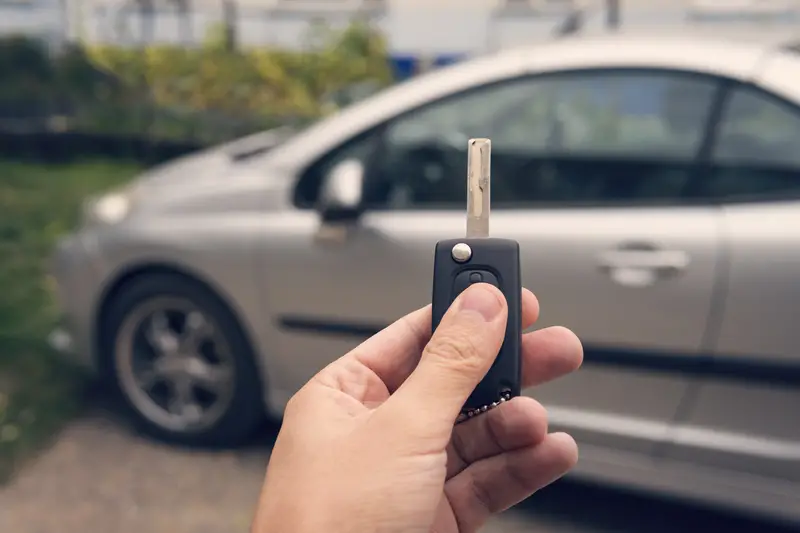
Standing in a Target parking lot last November, bags in hand, pressing the unlock button over and over — nothing. No chirp, no flash, just a car that wouldn’t respond. It’s one of those moments where your brain cycles through possibilities fast: Is the car broken? Did the battery die? Am I about to have a really expensive afternoon? Turns out, the answer was a lot simpler than expected. But the experience opened up a rabbit hole about key fobs, parking lot vulnerabilities, and a handful of things most drivers never think about until they’re stranded.
It’s Almost Always the Battery — But That’s Not the Whole Story
The most common reason a key fob dies is the simplest one: a dead or dying coin-cell battery. These tiny batteries — usually a CR2032 or CR2025 — typically last two to three years with normal use. Some people get four years out of them if they don’t use the fob much. Others burn through them faster. The thing most people don’t realize is that the battery doesn’t just die all at once. It fades. You’ll notice you have to be closer to the car. Or you’ll press the button twice instead of once. Those are signals.
According to Consumer Reports, where you store the fob matters more than people think. Leaving it on a hook near the car — say, on a key rack by the garage door — can actually drain the battery. The fob keeps communicating with the vehicle when it’s in range, slowly using up power even when you’re asleep. That’s a detail that catches a lot of people off guard.
Why Parking Lots Are Especially Tricky
So why does it seem like fobs fail in parking lots more than anywhere else? Part of it is practical — you use the fob to lock and unlock when you leave and return to your car, so a parking lot is where you’ll first notice something’s off. But there’s more to it.
Key fobs operate on radio frequencies, and parking lots are full of things that can mess with those signals. Cell towers nearby, Wi-Fi from the store, power lines overhead, and even other people’s car remotes can all cause signal interference. If your fob battery is already on its last legs, that interference might be just enough to push it over the edge. The fob isn’t necessarily broken — it’s just overwhelmed. Move to a different spot in the lot, and sometimes it’ll work fine. Which, honestly, is kind of a maddening thing to discover after ten minutes of panic.
The Hidden Key Most People Forget Exists
Here’s something that surprises a lot of drivers: most key fobs have a physical key blade hidden inside them. It’s usually tucked into the back of the fob, released by a small switch or slider. This little metal key can manually unlock your driver’s side door.
Many newer cars don’t have an obvious keyhole on the door handle, but it’s there — often hidden under a plastic cap. Your owner’s manual will show you exactly where. The point is, even if your fob battery is completely dead, you’re not locked out. You just have to know this backup exists before you need it. Consumer Reports has specifically flagged this as something every driver should familiarize themselves with before an emergency happens, not during one. That’s solid advice.
And for push-button start vehicles? Most of them will still start if you hold the dead fob directly against the start button. The car can read the transponder chip at extremely close range, even without battery power in the fob. Not every car works this way, but a surprising number do.
When It’s Not the Battery at All
What if you pop in a fresh battery and it still doesn’t work? Now things get more interesting. Fobs can lose their programming — the digital handshake between the key and the car’s onboard computer. This sometimes happens after replacing a battery, or after the car’s own electrical system gets reset. It can also happen for no apparent reason, which is frustrating but not uncommon.
Physical damage is another culprit that people underestimate. A key fob that’s been dropped on concrete, sat on repeatedly, or gone through a wash cycle can develop cracked circuit boards or corroded internal contacts. Worn buttons are a slow killer too — the rubber membrane under each button degrades over time, eventually failing to make proper contact with the circuit board underneath. You might notice that the lock button works but the trunk release doesn’t. That partial failure is a classic sign of internal wear.
Your Car Is Actually Trying to Warn You
Most modern vehicles display dashboard warnings when the key fob starts struggling. Messages like “Key Not Detected” or “Key Battery Low” are the car’s way of telling you something your key can’t. A lot of drivers dismiss these warnings or assume they’re glitches. They’re not.
Push-button start vehicles are especially vocal about this. If the engine takes multiple attempts to start, or if the car seems to “forget” the fob is nearby, that’s the immobilizer system having communication issues with the key. It’s tempting to think the car itself is malfunctioning, but in most cases, the fob is the weak link. Paying attention to these early signals can save you from a full failure at the worst possible moment — like 11 PM in a dimly lit parking garage. Nobody wants that scenario.
Cheaper Isn’t Always Worse Here
When a fob truly needs professional attention, most people’s first instinct is to call the dealership. That’s understandable, but it’s often the most expensive option. Dealership key fob replacement can run anywhere from $200 to $500 depending on the vehicle, and you might wait days for an appointment.
Automotive locksmiths are a legitimate alternative that a lot of people overlook. They can diagnose fob problems, reprogram or clone keys, repair damaged circuit boards, and cut new key blades — often for significantly less money. Professional repairs typically range from $50 to $150, while full fob programming runs $100 to $300. Still not cheap, but substantially less than what many dealerships charge. The one catch: some luxury brands with proprietary security systems may still require dealer-level tools. For most mainstream cars though, a locksmith can handle it.
One thing to know — many locksmiths do the actual fob repair work in-shop rather than on-site. The programming hardware and soldering equipment they need aren’t always portable. They’ll usually diagnose the issue at your car, then take the fob back to fix it. That’s normal.
The One Step Most People Skip
Get a spare key fob made before you need one. Seriously. This is the single most useful piece of prevention, and almost nobody does it until after they’ve been locked out or stranded. A spare fob sitting in a drawer at home, or with a trusted friend or family member, turns a potential emergency into a minor inconvenience.
Test the spare periodically too. Batteries in unused fobs still drain over time, just more slowly. If you get a spare made and then leave it untouched for three years, there’s a decent chance it’ll be dead when you finally need it. Swap in a fresh battery on the same schedule as your primary fob — roughly every two years — and you’ll be in good shape. Some drivers keep a backup key in their wallet or purse, which is smart as long as it doesn’t go through the washing machine.
A Few Small Habits That Actually Matter
Protective covers for key fobs used to feel excessive. They don’t anymore. A silicone or rubber case absorbs drops, keeps moisture out, and prevents the kind of pocket wear that slowly destroys button membranes. They cost a few dollars on Amazon. Compared to a $300 replacement fob, that math is easy.
Keep the fob away from water. This sounds obvious, but “water” doesn’t just mean the pool or the ocean. It means the cup holder in your car where condensation collects, the bathroom counter where it gets splashed, the rain that soaks through your jacket pocket. Even light water exposure can short-circuit the internal components if it reaches the circuit board. If your fob does get wet, pull the battery out immediately and let everything air-dry for at least 24 hours before reassembling. Quick action can sometimes save a waterlogged fob.
Extreme temperatures are another quiet threat. Leaving your fob in a car baking in a Phoenix summer or sitting on a dashboard in direct sunlight accelerates battery drain and can warp internal components. Cold extremes aren’t great either — battery performance drops in freezing temperatures, which is why fobs sometimes act sluggish in January.
Most of this really comes down to paying attention to small signals before they become big problems. Your fob tells you when it’s struggling. Your car tells you when the fob is struggling. Between the two of them, you usually get weeks or even months of warning before a total failure. The people who get stranded are almost always the ones who ignored those early signs — the extra button press, the shorter range, the dashboard message they cleared without reading. A $5 battery and five minutes of your time can prevent all of it.

