

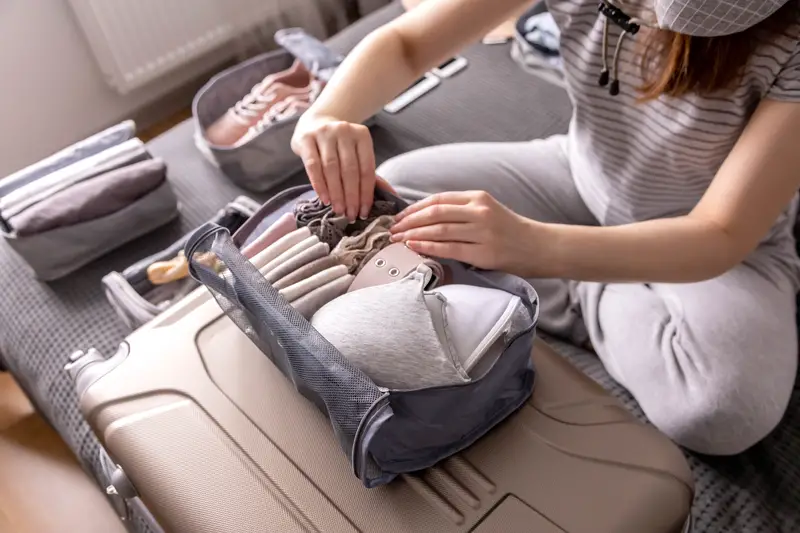
Most people spend hours planning what to pack for a trip, but how many actually think about what underwear they’re wearing on the plane? It turns out that your choice of undergarments could make a significant difference in how comfortable you are during your flight—and in some rare but serious situations, it could even affect your safety. The type of fabric touching your skin for hours in a cramped airplane seat matters more than you might think, and synthetic materials top the list of what to avoid.
Synthetic fabrics trap moisture and heat
Sitting in an airplane seat for hours means your body temperature rises slightly, and you might start sweating even if you don’t notice it right away. Synthetic materials like polyester, nylon, and spandex don’t breathe the way natural fabrics do. Instead of allowing air to circulate and moisture to evaporate, these petroleum-based fabrics trap everything against your skin. This creates a warm, damp environment that can lead to serious discomfort, especially in sensitive areas. The longer your flight, the worse this problem becomes, turning what should be a relaxing trip into an itchy, uncomfortable experience.
When moisture gets trapped against your skin for extended periods, it creates friction that can cause chafing and irritation. Your underwear should work with your body, not against it, particularly when you’re sitting still for hours on end. Natural fabrics allow sweat to move away from your body and let air reach your skin. Dr. Andrea Braden, an OB-GYN based in Atlanta, told HuffPost that breathability is essential for maintaining comfort and health during long periods of sitting. Cotton and other natural materials absorb moisture naturally and keep you feeling fresher throughout your flight.
Tight shapewear makes everything worse
Shapewear has become incredibly popular for creating smooth lines under clothing, but wearing it on a plane combines all the worst aspects of synthetic fabrics with restrictive compression. These garments are typically made from synthetic materials and designed to fit tightly against your body. When you add hours of sitting to this equation, you’re creating the perfect conditions for discomfort and potential health issues. The compression prevents proper air circulation, and the synthetic fabric traps moisture even more effectively than regular synthetic underwear. What might feel fine for a couple of hours at a party becomes increasingly uncomfortable during a cross-country or international flight.
If you have an important event right after landing and want to wear shapewear, pack it in your carry-on bag instead. You can change in the airport bathroom after your flight lands, giving your body the freedom to breathe during the actual travel time. This simple switch allows you to arrive at your destination feeling fresh rather than trapped and uncomfortable. The few minutes it takes to change after landing are worth the hours of increased comfort during your flight. Your body will thank you for not subjecting it to unnecessary compression while sitting still in a confined space.
Fire safety isn’t something to ignore
While in-flight fires are extremely rare, they do happen occasionally, and the type of clothing you wear can make a real difference in how you’d fare during such an emergency. Synthetic fabrics don’t just burn—they melt. When synthetic materials like polyester, nylon, and spandex catch fire, they turn into hot, sticky substances that adhere to skin and cause severe burns. The closer these fabrics are to your skin, the more dangerous they become in a fire situation. Underwear sits directly against your body with no protective layers, making synthetic undergarments particularly risky. Natural fabrics like cotton burn differently, tending to char rather than melt, which gives you slightly better protection.
This safety concern extends beyond just underwear to any tight synthetic clothing worn close to your skin. Leggings, yoga pants, bike shorts, and fitted tops made from synthetic materials all pose similar risks. The tighter the fit and the more synthetic the fabric, the faster these items can heat up or catch flame in an emergency situation. While you shouldn’t spend your entire flight worrying about fires, it makes sense to take simple precautions that could protect you. Choosing natural fabrics for the clothing items closest to your skin provides an extra margin of safety without requiring any significant sacrifice in style or comfort.
Cotton underwear offers multiple benefits
Cotton has been the gold standard for underwear fabric for good reason—it works with your body’s natural processes instead of fighting against them. This natural fiber absorbs moisture effectively, pulling sweat away from your skin and allowing it to evaporate. Cotton also allows air to circulate freely, keeping you cooler and more comfortable during long flights. The soft texture of cotton reduces friction, which means less chafing and irritation even after hours of sitting. Cotton underwear doesn’t trap odors the way synthetic fabrics do, so you’ll feel fresher when you finally reach your destination and stand up from that airplane seat.
Dr. Braden emphasized that cotton’s breathability makes it the best choice for maintaining comfort during extended periods of sitting. The fabric should feel soft against your skin, not slippery like many synthetic materials. Cotton underwear doesn’t need to be boring or unstylish—plenty of brands offer attractive options in various cuts and colors. The key is looking at the fabric content label before you buy. Pure cotton or cotton blends with high cotton percentages will serve you much better during air travel than anything made primarily from synthetic materials. This simple fabric choice can transform your flying experience from uncomfortable to pleasant.
Fit matters just as much as fabric
You might assume that loose, baggy underwear would be most comfortable for a long flight, but that’s not necessarily true. Underwear that’s too loose can bunch up, twist, and create uncomfortable pressure points when you’re sitting for hours. Fabric bunching in the wrong places causes friction and irritation that gets worse as time goes on. On the other hand, underwear that fits properly stays in place, moves with your body, and doesn’t create any uncomfortable bunching or rolling. Snug briefs that fit well actually work better than loose boxers for most people during flights because they maintain their position and don’t shift around.
The ideal flight underwear should feel secure without being tight or restrictive. It should stay where you put it without requiring constant adjustment. Dr. Braden noted that underwear should be soft and not slippery, which helps it maintain proper positioning throughout your flight. Well-fitting underwear in the right fabric eliminates most of the common discomforts people experience during air travel. Take the time to find underwear that fits your body properly before your next trip. The difference between properly fitted and poorly fitted undergarments becomes much more noticeable when you’re sitting still for several hours with no escape from discomfort.
Save the fancy underwear for after landing
Designer underwear often features synthetic fabrics, lace details, and decorative elements that look great but don’t perform well during travel. These items typically prioritize appearance over function, using materials that photograph beautifully but don’t breathe effectively. The same goes for underwear with lots of elastic, multiple layers, or special shaping features. All of these design elements work against you during a flight by reducing breathability and increasing the chance of discomfort. Your plane ride isn’t the time to worry about what your underwear looks like—nobody’s going to see it anyway, and you’ll be much happier if you prioritize comfort and practicality.
Think of your travel underwear as functional equipment rather than a fashion statement. Once you reach your destination and get to your hotel, you can change into whatever underwear makes you feel confident and attractive. During the actual flight, simple cotton underwear that fits well and breathes properly should be your only concern. This approach allows you to arrive at your destination feeling comfortable and fresh rather than sweaty and irritated. The few seconds it takes to pack your nicer underwear separately is a small price to pay for hours of improved comfort during your flight.
Other clothing items deserve similar consideration
While underwear is particularly important because it sits directly against your skin, the same principles apply to other clothing choices for air travel. Tight leggings, fitted tops, and other snug garments made from synthetic materials create similar problems with breathability and potential fire risk. Loose, comfortable clothing made from natural fibers or breathable blends will make your entire flight more pleasant. This doesn’t mean you need to wear pajamas on the plane—plenty of stylish options exist that prioritize both comfort and practicality. Joggers with drawstring waists, loose cotton shirts, and slip-on shoes all look put-together while keeping you comfortable.
Travel editors and frequent fliers consistently recommend avoiding tight jeans, restrictive waistbands, and anything that requires frequent adjustment. The goal is to dress in layers of breathable fabrics that you can easily add or remove as the temperature changes throughout your flight. Natural fabrics like cotton, linen, and wool breathe better than synthetics and help regulate your body temperature more effectively. When you combine comfortable outer clothing with the right underwear choice, you create the ideal outfit for air travel. Your future self will appreciate the thought you put into your travel outfit when you arrive at your destination feeling refreshed rather than rumpled and uncomfortable.
Long flights require extra attention
Everything discussed so far becomes even more important on long-haul international flights where you might be sitting for eight, ten, or even fifteen hours. The longer you sit, the more critical your clothing choices become. What might be barely tolerable for a two-hour domestic flight becomes absolutely miserable on a flight across an ocean. Extended sitting in synthetic underwear significantly increases your risk of developing discomfort and potential health issues. The trapped moisture and reduced air circulation have more time to create problems, and you have fewer opportunities to change or adjust your clothing when you’re stuck on a plane for half a day.
For ultra-long flights, some people find that bringing an extra pair of cotton underwear in their carry-on bag allows them to change mid-flight and feel refreshed. This simple step can make a huge difference in your comfort level during the second half of a long flight. The airplane bathroom isn’t the most pleasant place to change clothes, but taking two minutes to put on fresh underwear can help you feel much better for the remaining hours of your flight. Consider this option particularly for overnight flights where you’ll be trying to sleep in your seat. Fresh, breathable underwear can help you rest more comfortably and arrive at your destination in better shape.
Simple changes make significant differences
Switching from synthetic to cotton underwear for air travel doesn’t require a major wardrobe overhaul or significant expense. Most people already own some cotton underwear—you just need to make sure you’re wearing it on flight days. If you need to buy new underwear specifically for travel, basic cotton options are widely available and often less expensive than fancy synthetic alternatives. This small investment in comfort pays off every single time you fly. The difference you’ll feel during your next flight will be immediately noticeable, and you’ll wonder why you didn’t make this change sooner.
Getting into the habit of choosing appropriate underwear for flights becomes automatic once you experience the improved comfort level. Keep a few pairs of your most comfortable cotton underwear designated specifically for travel days. This ensures you’ll always have the right underwear available when you’re packing for a trip. The combination of better breathability, reduced friction, improved moisture management, and enhanced safety makes cotton underwear the clear winner for air travel. These benefits cost you nothing in terms of style or convenience—you’re simply making a smarter choice about which underwear to wear on the days you fly. Your body will appreciate this small consideration during every future flight.
The next time you pack for a trip, think about your underwear choice with the same care you give to your shoes or jacket. A few minutes spent selecting the right undergarments for your flight can prevent hours of discomfort and potential safety risks. Cotton underwear that fits properly makes flying more pleasant while providing better protection in the unlikely event of an emergency. It’s a simple change that requires minimal effort but delivers significant benefits every time you travel.

