

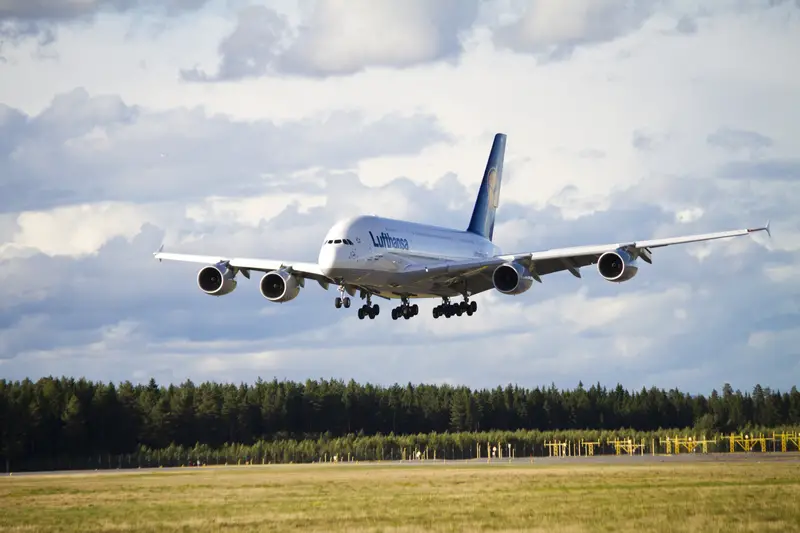
You know the scene. The wheels hit the runway, the cabin shakes, and a few passengers start clapping like they just watched a Broadway show. It feels harmless enough, right? Well, it turns out that burst of applause might actually bother pilots, upset fellow passengers, and even be premature from a safety standpoint. Whether this habit annoys or amuses, there are plenty of good reasons to think twice before putting your hands together after touchdown.
Pilots actually don’t care about the applause
Imagine spending years in flight school, logging thousands of hours in the cockpit, and then having a cabin full of strangers grade your work based on how smooth the landing felt. That is essentially what clapping does, at least from a pilot’s point of view. A smooth touchdown is not always the safest landing. Sometimes pilots need to put the plane down hard and fast to account for weather, short runways, or crosswinds. What feels bumpy in the back might actually be textbook work up front.
Scott Kinder, a 737 Captain at a major U.S. airline, put it bluntly on a Quora thread. He said passengers really have no idea what is happening in the cockpit, so they do not know what deserves applause and what does not. If a pilot floats the landing and touches down halfway along the runway, that is actually dangerous, even if it feels smooth. Meanwhile, pilots grade themselves based on safety, not passenger reactions. As Kinder said, they are not really interested in what seat 20B thinks.
The plane hasn’t actually stopped yet
Here is a fact that might catch some people off guard. The moment the wheels touch the ground is not the moment the flight is over. The plane still needs to slow down, exit the active runway, and taxi to the gate. That process can take several minutes, and things can still go wrong during that time. Brakes can fail. Tires can burst. Other aircraft could be on the taxiway. The landing is only truly complete when the plane has come to a full and final stop at the gate.
An Argentinian flight attendant named Barbiebac made this point in a viral TikTok video. She warned that unexpected situations can still happen after touchdown. If the crew needed to evacuate the aircraft before reaching the gate, that round of applause would feel pretty awkward. Waiting until the seatbelt sign goes off or the captain makes a final announcement is a much better marker that the flight is truly and safely finished. Clapping at touchdown is, in a sense, celebrating before the finish line.
It can come across as sarcastic or rude
Most people who clap after landing do it with genuine relief and good intentions. But the thing about applause is that tone matters, and tone is hard to read in a metal tube packed with strangers. One person’s heartfelt clap can sound a lot like another person’s slow, sarcastic golf clap. If a flight was delayed for hours or the ride was rough, that applause could easily be misinterpreted as mockery instead of gratitude. And nobody wants to accidentally insult the crew that just got them there safely.
Etiquette expert Diane Gottsman pointed out that a passenger could be showing poor judgment by clapping slower and louder than usual, turning a kind gesture into something that reads as sarcasm. Even if that is not the intent, the crew and other passengers do not know that. In a shared space where everyone is tired and stressed, small gestures can be easily misread. The safest bet is to skip the applause and find a clearer way to say thanks.
It might upset other passengers around you
Not everyone on the flight had the same experience. While some passengers might feel relief at landing, others could be genuinely shaken up. Think about a flight that hit severe turbulence or had to make an emergency landing because of a mechanical issue. Some people on that plane might have been terrified for their lives. Bursting into applause the moment the wheels touch down could feel deeply insensitive to someone who is still gripping the armrest and trying to calm down.
Former flight attendant Jacqueline Whitmore explained that if a pilot had to make an emergency landing due to passenger illness, an unruly passenger, or a mechanical failure, clapping might come across as insensitive to those who are still shaken or upset. The cabin is a shared space, and a little awareness of others goes a long way. What feels like a celebration to one person might feel like a slap in the face to the passenger sitting right next to them.
Different cultures see it very differently
Whether clapping is appropriate depends a lot on where the plane is landing and who is on board. In some countries, applause after a landing is a beloved tradition. In the Philippines and Puerto Rico, passengers often clap and cheer when returning home after living or working abroad for a long time. Lin-Manuel Miranda, the famous creator of Hamilton, even tweeted about it, saying he claps every time a plane lands and that most Puerto Ricans do too. For many people, it is a genuine cultural expression of joy.
But the same gesture can fall flat, or worse, in other places. In the U.K., for example, clapping when a plane lands is often viewed as disrespectful. The same is true in parts of Europe and Asia. When flying internationally, Whitmore recommends erring on the side of caution and observing what others around you do before joining in. Reading the room, or rather the cabin, is the smartest move. If nobody else is clapping, that silence is telling you something important.
It suggests you doubted the pilot’s ability
Here is the thing that makes some pilots and crew members cringe the most. When passengers clap after a routine landing, it can come across as though they are shocked that the plane made it down safely. That is not exactly a vote of confidence. Pilots undergo rigorous training, regular evaluations, and thousands of hours of practice to do what they do. Clapping can unintentionally send the message that the passengers expected the worst and are relieved it did not happen.
Gemma Brown, the head of commercial at Travel Republic, said clapping can appear rude to pilots, as though passengers are undermining their skill. Joseph Guindi, a pilot and engineer, echoed the point by saying people should not applaud someone for simply doing their job correctly. The one exception he offered is if the flight was particularly dangerous, but even then, pilots are unlikely to hear the clapping from behind the closed cockpit door while they are still focused on their post-landing tasks.
When clapping on a flight is actually fine
So does this mean clapping should be banned from all flights forever? Not at all. There are moments on a plane when applause is perfectly welcome and even encouraged. If the crew announces that someone on board just hit a major milestone, like reaching one million frequent flier miles, a round of claps makes total sense. The same goes for special occasions like birthdays, engagements, or honeymoons. These are happy moments that the whole cabin can share in without anyone feeling awkward about it.
Whitmore also mentioned that applause is warranted when a pilot is retiring and the flight is their last, when military members are recognized for their service, or when sports scores are announced mid-flight. In those cases, the applause is tied to a specific event that everyone can appreciate. It is not about judging the crew’s performance. It is about celebrating a genuine moment together. That kind of clapping always lands well, if you will forgive the pun.
Better ways to thank the crew instead
If clapping is not the best way to show gratitude, what is? The simplest option is also the most effective: just say thank you. When leaving the plane, the crew and sometimes the pilot are usually standing near the exit. Making eye contact and offering a quick and genuine word of thanks goes much further than any amount of applause from the back of the cabin. It is personal, direct, and impossible to misread as sarcasm or anything else.
Another great option is to submit written feedback to the airline. Most airlines have forms on their websites where passengers can leave positive comments. Include the flight number, date, and the name of the crew member if possible. Many travelers only write in when something goes wrong, so a positive note really stands out. Writing a quick thank-you note and handing it to the crew on the way out is another small gesture that makes a big difference.
Preparing for landing shows more respect than clapping
Want to truly impress the cabin crew? Do not wait to be told to get ready for landing. Put your tray table up, stow your bag, return your seat to the upright position, and toss your trash into the bags provided during the final pass through the aisle. When passengers handle all of this without being asked, it saves the crew time and stress during one of the busiest parts of the flight. That kind of consideration speaks louder than any applause.
Flight attendants spend the final minutes before landing rushing through the cabin to remind passengers about these basic steps. When someone is scrambling to prepare for landing at the last second, it creates extra work and extra stress for a crew that has already been on their feet for hours. Being a thoughtful passenger is not glamorous, but it is one of the most respectful things anyone can do on a flight. The crew will notice, even if nobody is clapping.
At the end of the day, nobody is going to get thrown off a plane for clapping. But a little awareness can go a long way in making flights more comfortable for everyone on board. Pilots do not need the validation, nervous passengers might not appreciate the noise, and the flight is not truly over until the plane has fully stopped. A simple thank you on the way out is worth more than any standing ovation at thirty thousand feet.

