

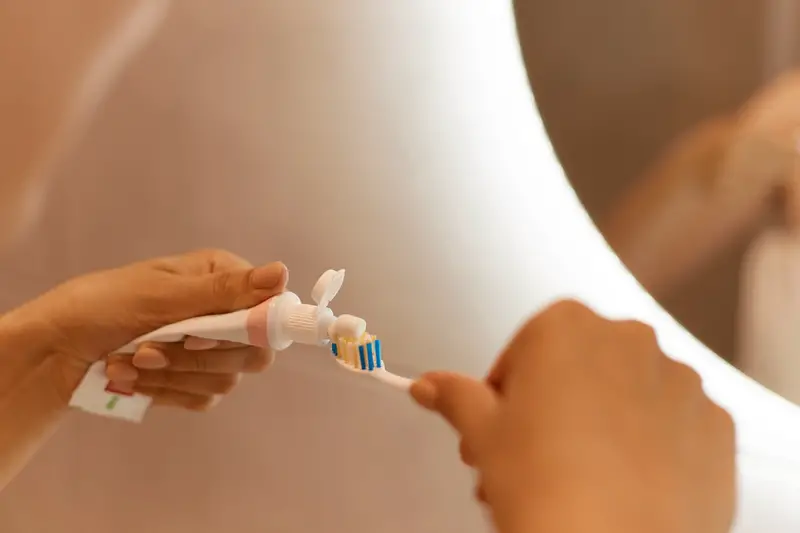
Around 23% of Americans admit to brushing their teeth while taking a shower. It seems like a smart way to save time during those rushed mornings when you’re running late for work or school. But dentists have some surprising news about this common habit that might make you reconsider your bathroom routine. What seems like harmless multitasking could actually be putting your oral health at risk in ways you never imagined. From bacteria problems to wasted water, the reasons to keep your toothbrush out of the shower are more compelling than you’d think.
Hot water ruins your toothbrush bristles
Most people take showers that are significantly warmer than the water they’d use at a bathroom sink. That steamy, hot water feels great on tired muscles, but it’s terrible for your toothbrush. The heat actually softens the bristles on your brush, making them bend and lose their shape. When bristles get soft and floppy, they can’t clean your teeth properly anymore. They just slide across the surface instead of scrubbing away plaque and food particles like they’re supposed to. Even if you have an electric toothbrush, the hot water can damage both the bristles and the internal mechanism over time.
Think about it this way: you wouldn’t wash your dishes with a melted sponge, right? The same principle applies to your toothbrush. Dr. Payal Bhalla, a dentist in England, warns that submerging electric toothbrushes in water could damage the mechanism inside. Manual toothbrushes aren’t any better off in hot water conditions. The bristles are designed to work at room temperature or with cool-to-lukewarm water. When they get repeatedly exposed to hot shower water, they wear out much faster than they should. This means you’re not getting the two minutes of effective cleaning that dentists recommend, even if you’re spending the full time brushing.
Shower heads harbor nasty bacteria
Your shower head looks clean, but it’s actually one of the dirtiest spots in your bathroom. A 2009 study found that the surface of shower heads stays warm and moist all the time, creating the perfect environment for bacteria to grow. A slimy layer called biofilm forms on the inside and outside of the shower head, and it’s packed with bacteria. When you brush your teeth under running shower water, those bacteria can transfer directly onto your toothbrush and then into your mouth. Your immune system might handle some germs just fine, but why take the risk when you don’t have to?
The bacteria problem gets even worse if you store your toothbrush in the shower between uses. The constant moisture never gives your toothbrush a chance to dry out completely. Bacteria love damp environments, so they multiply quickly on wet toothbrush bristles. Even if you rinse your toothbrush thoroughly after each use, the shower environment keeps it moist enough for bacterial growth. Dentists recommend storing toothbrushes in dry areas where air can circulate around them. Your shower is literally the opposite of that ideal storage condition. The combination of shower head bacteria and a constantly damp toothbrush creates a perfect storm for oral health problems down the road.
You can’t see what you’re doing
Most bathrooms have mirrors above the sink for good reason. You need to see your teeth to brush them properly. In the shower, you’re working blind without being able to check if you’re hitting all the right spots. A 2023 study found that most people already have deficient toothbrushing performance when they CAN see what they’re doing in a mirror. Imagine how much worse it gets when you’re trying to brush in the shower with your eyes closed to avoid getting soap in them. You might think you’re doing a thorough job, but chances are you’re missing entire sections of your mouth without realizing it.
Proper brushing technique requires holding your toothbrush at a 45-degree angle to your gums and making small circular motions. That’s pretty hard to do accurately when you can’t see what you’re doing. You need to brush every surface of every tooth, including the backs of your molars and along the gum line. Without a mirror, most people just scrub the front teeth they can feel with their tongue and call it good enough. This incomplete brushing leads to plaque buildup in the spots you consistently miss. Over time, that plaque hardens into tartar, which can only be removed by a dental professional.
Distractions ruin your brushing routine
Showers are full of distractions that pull your attention away from brushing. The sound of running water makes it hard to concentrate on the task at hand. You might be thinking about shampooing your hair next, or whether you remembered to turn off the coffee maker, or what you need to do at work today. Meanwhile, your hand is just going through the motions of moving the toothbrush around without really focusing on technique. Dentists say you need to brush for a full two minutes to clean your teeth effectively, but time flies when your mind is wandering to other things.
When you brush at the sink in front of a mirror, it’s easier to stay focused on the single task of cleaning your teeth. You can watch yourself brush and make sure you’re spending enough time on each section of your mouth. In the shower, you’re trying to multitask, and your oral hygiene suffers as a result. You might rush through brushing because you’re eager to get to the next step of your shower routine. Or you might get so caught up in enjoying the hot water that you forget to brush altogether. Either way, your teeth aren’t getting the attention they need to stay healthy and clean.
Toothpaste makes shower floors dangerously slippery
Toothpaste is designed to be slippery so it can spread easily across your teeth. That same slipperiness becomes a safety hazard when it drips onto your shower floor. Mix toothpaste foam with water and soap residue, and you’ve created a skating rink in your bathtub. Falls in the bathroom send thousands of people to the emergency room every year, and many of those accidents happen in showers and tubs. Adding toothpaste to an already wet and soapy surface just increases your risk of taking a tumble. A slip in the shower can lead to serious injuries like broken bones, head trauma, or bruised ribs.
Even if you’re careful, accidents happen when surfaces are slippery. You might be perfectly balanced one moment, then shift your weight to rinse your mouth and suddenly find yourself sliding. The combination of water and toothpaste creates a film that’s nearly impossible to see but extremely dangerous to step on. If you have older family members or young children using the same shower, the risk is even higher. Their balance and reflexes aren’t as quick as a healthy adult’s, making them more vulnerable to slip-and-fall injuries. Keeping your toothbrush at the sink eliminates this unnecessary danger from your daily routine.
Body germs transfer to your mouth
When you shower, you’re washing dirt, sweat, and bacteria off your entire body. All those germs go into the same water that’s splashing around your shower. If you’re brushing your teeth at the same time, some of that contaminated water and those germs can easily get onto your toothbrush or directly into your mouth. Your body is covered with bacteria that are harmless on your skin but could potentially cause problems if they get into your mouth. The same water source washing your feet and other body parts is the water you’re using to clean your teeth. That’s not exactly the most sanitary arrangement.
Your mouth has its own ecosystem of bacteria that normally keeps things balanced. Introducing bacteria from other parts of your body can disrupt that balance and potentially make you sick. While your immune system can usually handle exposure to your own body’s bacteria, why create extra work for it? The whole point of brushing your teeth is to remove bacteria and keep your mouth clean, not to introduce new germs. Using clean tap water at the sink keeps the tooth-brushing process more hygienic and reduces the chance of transferring unwanted bacteria into your mouth.
You probably waste more water, not less
Many people justify brushing in the shower by claiming it saves water. The logic is that you’re already using water for the shower, so you might as well brush your teeth at the same time. But dentists point out a major flaw in this reasoning. If brushing your teeth in the shower causes you to stay under the running water even 30 seconds longer than usual, you’re actually using MORE water than if you brushed at the sink. Showers use about two gallons of water per minute, while sink faucets use much less. Those extra seconds add up quickly when you’re running a high-flow shower head.
The Environmental Protection Agency says you can save up to four gallons of water by simply turning off the tap while brushing at the sink. Most people leave the shower water running continuously while they brush, which wastes a significant amount. If you’re genuinely concerned about water conservation, the sink is actually the better option. Turn on the faucet just to wet your brush and rinse your mouth, and keep it off during the actual two minutes of brushing. That approach uses far less water than standing under a running shower for an extra two minutes while you clean your teeth.
Morning rushes lead to forgotten flossing
When you brush your teeth in the shower, you’re less likely to remember to floss afterward. Flossing is just as important as brushing because it removes plaque and food particles from between teeth where toothbrush bristles can’t reach. But flossing in the shower is awkward and impractical, so most people skip it entirely if they’ve already done their brushing there. By the time you get out of the shower, dry off, and get dressed, the tooth-care routine feels finished. You’ve already checked that box in your mind, even though you only did half the job your teeth actually need.
Dentists recommend flossing at least once per day, and they definitely don’t recommend doing it in the shower. The proper technique requires seeing what you’re doing and having steady, controlled movements with the floss. That’s nearly impossible in a wet, steamy shower environment. When you brush at the sink instead, the floss is right there in your medicine cabinet or on the counter, making it easy to grab and use immediately after brushing. This complete oral care routine takes just three to four minutes total, and your teeth get the full cleaning they need to stay healthy and avoid cavities.
Electric toothbrushes aren’t meant for submersion
Many electric toothbrushes claim to be waterproof, which means they can handle splashes and being rinsed under running water. But waterproof doesn’t mean submersion-proof or shower-proof. The seals that keep water out of the battery compartment and motor are designed for brief contact with water, not for being in a steamy, wet environment for several minutes at a time. Over time, moisture can seep into places it shouldn’t be, corroding the electrical components and shortening the life of your expensive toothbrush. If you’ve spent fifty dollars or more on a quality electric toothbrush, why risk damaging it in the shower?
The steam alone can cause problems for electronic devices, even before you consider direct water exposure. That’s why you shouldn’t bring your phone into the bathroom when you shower, and the same principle applies to electric toothbrushes. The internal components aren’t designed to handle that level of humidity and temperature fluctuation. Manual toothbrushes are cheap to replace, but electric ones represent a bigger investment. Using your electric toothbrush at the sink protects that investment and ensures it keeps working properly for the full two to three years you should be using it before upgrading to a new model.
The next time you’re tempted to grab your toothbrush and take it into the shower to save a minute or two, remember what dentists have to say about this habit. Your teeth deserve better care than they can get in a distracting, bacteria-filled shower environment. Stick with brushing at the sink where you can see what you’re doing, use clean water at a safe temperature, and follow up with floss right away. Your smile will thank you for the extra attention, and you’ll avoid the slip hazards and water waste that come with shower brushing.

