

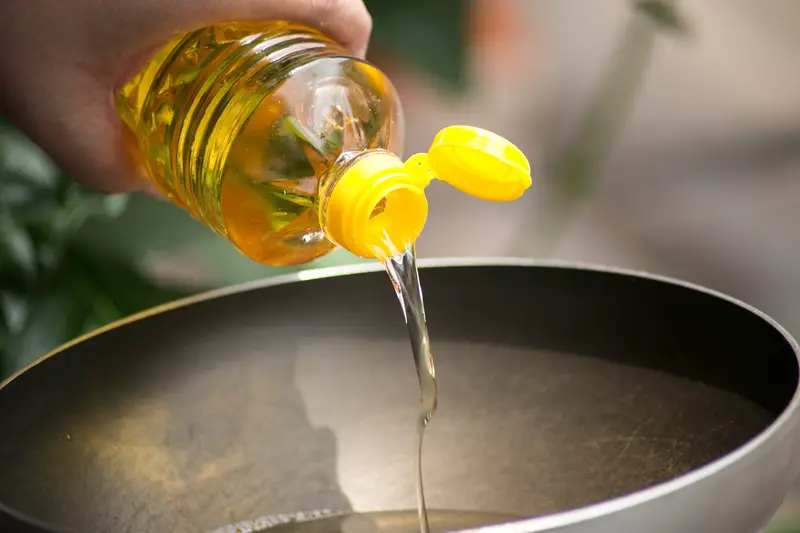
Back in the 1990s, olive oil became the darling of American kitchens. The Mediterranean diet was all over the news, Rachael Ray was telling everyone to use “EVOO” like it was a magic potion, and suddenly every home cook in the country had a bottle of the stuff parked next to their stove. It felt like a revelation — ditch the butter, ditch the Crisco, pour some golden-green goodness into every pan. Thirty years later, professional chefs are saying we got it wrong. Not completely wrong. But wrong enough that it matters.
The smoke problem
Here’s what most people don’t think about when they reach for olive oil: it has a relatively low smoke point. The smoke point is the temperature at which an oil starts to literally break down and burn. For extra virgin olive oil, that number sits somewhere around 375°F to 405°F, depending on the quality. Sounds high enough, right? Well, a pan on medium-high heat can easily hit 400°F or more. A cast iron skillet that’s been preheating for a few minutes? Way past that. So every time you crank the burner and toss in a glug of EVOO to sear a steak or stir-fry vegetables, you’re likely pushing it past its limit.
When oil hits its smoke point, bad things happen fast. The fat molecules start breaking apart, and what you get is a bitter, acrid taste that seeps into everything in the pan. It’s not subtle, either. That harsh, burnt flavor can ruin an otherwise perfectly good piece of fish or chicken breast. You’ve probably tasted it before and just blamed your cooking. Wasn’t you. It was the oil.
And the thing is, olive oil is expensive. A decent bottle of extra virgin runs you $8, $12, sometimes $15 or more. So you’re not just ruining your food — you’re burning money. Literally. Professional chefs figured this out a long time ago, which is why most restaurant kitchens don’t use olive oil for high-heat cooking. They save it for other things. We’ll get to that.
What actually goes wrong
So the oil smokes. Big deal, right? You open a window and move on. Not exactly. When olive oil breaks down from too much heat, you lose all the things that made it worth using in the first place. Those fruity, peppery, slightly grassy notes that make a good olive oil taste alive? Gone. Up in smoke. What replaces them is this flat, harsh, almost chemical-tasting residue that coats your food. It’s the cooking equivalent of buying a nice bottle of wine and then microwaving it.
There’s a visual cue too, and it’s one most home cooks ignore. When your oil starts shimmering aggressively and wisps of smoke curl off the surface, that’s not the pan “getting ready.” That’s the oil dying. Once you see that smoke, the damage is done. You can’t walk it back. The flavor compounds have already broken apart, and now you’re basically cooking in degraded fat. Professional kitchens move fast — they don’t have time to baby an oil that can’t handle the pace. They need something that performs under pressure without falling apart.
Which, honestly, is kind of wild when you think about how much cooking content on TV and social media still shows people dumping olive oil into screaming-hot pans. It looks great on camera. In practice, it’s a mistake that professional cooks stopped making years ago. The disconnect between what we see on cooking shows and what actually happens in restaurant kitchens is wider than most people realize.
Not all oils are equal
That brings up another thing people get confused about: not all olive oils behave the same way. Extra virgin olive oil — the cold-pressed, unrefined kind — has the lowest smoke point of the bunch. Regular olive oil (sometimes labeled “pure” or “light”) has been refined and can handle slightly more heat, maybe up to 465°F. But here’s the catch: the refining process strips out most of the flavor and antioxidants that made olive oil appealing in the first place. So you’re left with a neutral-tasting oil that costs more than canola but doesn’t really perform any better. It’s a weird middle ground where you’re paying a premium for the word “olive” on the label without getting much benefit.
Meanwhile, oils like avocado oil can handle temperatures well above 500°F. Peanut oil, which is what a lot of restaurants use for deep frying, sits comfortably around 450°F. Even plain vegetable oil blends — the boring stuff in the big plastic jugs at Walmart — tend to have higher smoke points than extra virgin olive oil. There are also purpose-built oil blends designed specifically for professional kitchens that combine high smoke points with a neutral, balanced flavor so the oil doesn’t overpower whatever you’re cooking.
The point isn’t that olive oil is bad. It’s that it’s being used wrong by millions of home cooks who assumed it was the right oil for everything. It’s not. Different oils have different jobs, and pretending one bottle handles them all is like using a butter knife to cut a tomato. Sure, you can do it. But why would you?
Where olive oil shines
Ask any chef where olive oil belongs and you’ll get a pretty consistent answer: at the end. It’s a finishing oil. You drizzle it over a bowl of pasta after it’s been plated. You whisk it into a vinaigrette. You pour a thin stream over bruschetta or a Caprese salad. Anywhere the oil doesn’t have to face high heat, extra virgin olive oil is spectacular. Those complex flavor notes — that slightly bitter, peppery, almost floral quality — only come through when the oil stays cool or just barely warm.
Along the same lines, olive oil is fantastic for low-and-slow applications. Poaching garlic in olive oil at a gentle 200°F? Incredible. Slow-roasting tomatoes at 300°F? Works beautifully. The key is keeping the temperature well below that smoke point threshold so the oil retains its character. Think of olive oil less like a cooking fat and more like a condiment or a seasoning. That reframing changes everything about how you use it.
Some Italian grandmothers would probably fight me on this. Fair enough. There are traditions around olive oil that go back centuries, and plenty of Mediterranean home cooking involves olive oil in a hot pan. But those traditions also tend to involve lower heat, thicker pans, and a patience that most American weeknight cooking just doesn’t have. We crank our burners to high because we’re hungry and it’s Tuesday and the kids are screaming. Different context, different rules.
The sear test
Want to see the difference for yourself? Try this. Take two chicken thighs, skin on. Heat one pan with extra virgin olive oil and another with a high-smoke-point oil like avocado oil. Get both pans to medium-high — around 425°F if you have an infrared thermometer, or just wait until the oil shimmers. Drop a chicken thigh in each pan. In the olive oil pan, you’ll see smoke almost immediately. The skin will brown unevenly. There might be a faint burnt smell. The avocado oil pan? Quiet. Steady. The skin renders slowly and evenly, turning golden and crispy without any drama.
Pull both thighs out after five minutes and taste them side by side. The difference isn’t huge, but it’s there. The one cooked in olive oil might have a slightly bitter, off-putting edge. The other one just tastes clean. Like chicken. Which is the whole point — when you’re searing, you want the oil to disappear and let the ingredient be the star. An oil that adds its own burnt flavor to the party is doing the opposite of what you want.
Pro chefs run this same calculus dozens of times a night, for every dish that leaves the kitchen. They don’t have time to second-guess whether their oil choice just ruined a $38 entrée. They pick the right tool for the job, every time, on instinct. And olive oil — great as it is — just isn’t the right tool when things get hot.
Rethink the bottle
None of this means you should throw out your olive oil. Please don’t. A good bottle of extra virgin is one of the best things you can have in your kitchen. But it does mean you probably need a second oil — maybe a third — for different cooking situations. Think of it like shoes. You don’t wear dress shoes to mow the lawn. You don’t wear flip-flops to a job interview. Same logic applies to your cooking oils. Match the oil to the task.
For high-heat searing, stir-frying, or anything involving a ripping-hot pan, go with avocado oil, refined coconut oil, or a neutral oil blend built for the job. For roasting at moderate temperatures, regular (refined) olive oil or even grapeseed oil works well. And for finishing, dressing, dipping, or anything where the oil’s flavor is front and center? That’s where your extra virgin earns its keep. Keep it away from the flame and let it do what it does best.
The whole “one oil for everything” approach is what got us into trouble. Professional chefs have always known that respecting your ingredients means using them correctly — not just using the expensive stuff and hoping for the best. Your olive oil deserves better than getting scorched in a pan. And honestly? So does your dinner.

