

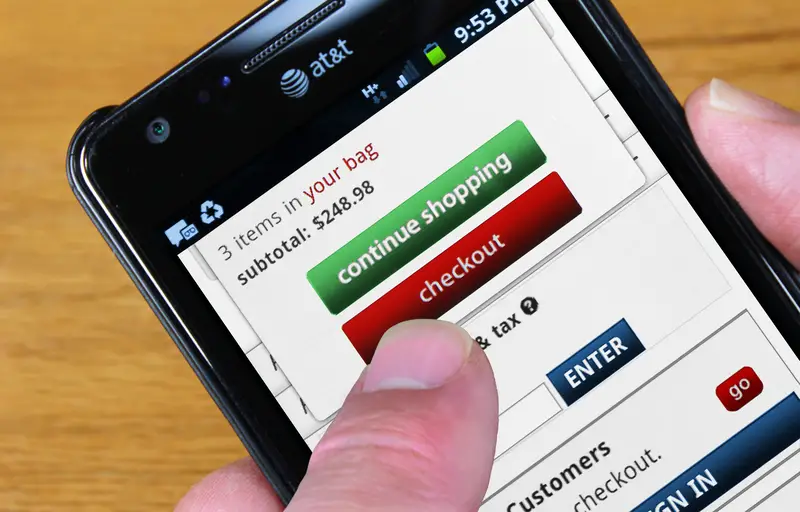
That innocent tweet about booking flights on a laptop instead of a phone turned into a full-blown generational war online. Gen Z jumped into the comments, proudly declaring they’ve bought everything from plane tickets to houses on their phones while lounging in bed. Meanwhile, Millennials clutched their laptops tighter, insisting some purchases just require a bigger screen. The debate might seem silly, but there are actually some solid reasons why pulling out your laptop for major purchases is the smarter move, even if you’ve never met a problem your phone couldn’t solve.
Your tiny screen is hiding important details
Think about the last time you tried to read a long article on your phone. You probably spent half the time pinching and zooming just to make out the small print. Now imagine doing that while trying to spot hidden fees in an airline booking or examining photos of a used car you’re considering. Even if you have one of those fancy foldable phones with a giant screen, it’s still nowhere near the viewing space of even a basic laptop screen. When you’re shopping for something expensive, missing a crucial detail because you couldn’t see it properly on your phone can cost you serious money.
Jon MacDonald, who runs a digital optimization agency, points out that most people naturally switch to a desktop when they need to see more details. Looking at houses on Redfin? Sure, you might browse listings on your phone, but when you find one you actually like, you’re probably going to want to see those photos on a bigger screen. Those warped hardwood floors or outdated fixtures that would be deal-breakers might not even register on your phone. The same goes for any major purchase where details matter, whether it’s reading the fine print on a warranty or comparing specifications on appliances.
Reading reviews becomes an actual headache
Reviews are your best friend when making a big purchase. They’re the unbiased truth from people who actually used the product or service you’re considering. But reading through dozens of reviews on your phone? That’s a recipe for eye strain and thumb cramps. Your phone screen forces you to scroll endlessly through text, and switching between the product page and review sites means constantly jumping between apps or browser tabs. What should take ten minutes on a laptop turns into a frustrating twenty-minute exercise in tiny text navigation on your phone.
The problem gets worse when you want to check multiple sources. Maybe you’re looking at Amazon reviews, then heading to YouTube for video reviews, then checking out what people are saying on Reddit. On a laptop, you can have all these tabs open side by side, comparing information easily. On your phone, you’re stuck in this endless loop of switching between apps, probably losing track of which review said what. This frustration might lead you to skip the research altogether and just make the purchase, which is exactly what retailers want but probably not what your wallet needs.
Those one-tap payment apps make spending too easy
ApplePay and GooglePay are incredibly convenient for grabbing coffee or ordering lunch. Just double-tap your phone and boom, purchase complete. But this same convenience becomes dangerous when you’re buying something expensive. There’s basically zero friction between “I want this” and “I just spent $800.” You don’t have to pull out your wallet, find your card, type in the number, or even really think about what you’re doing. It’s so easy that making a major purchase can feel as casual as buying a candy bar at the checkout counter.
The question is whether this convenience actually serves you or just makes it easier for companies to separate you from your money. When you have to physically get up, open your laptop, wait for it to boot up, navigate to the website, and manually enter payment information, each step gives you a moment to reconsider. Is this really something you need right now? Can you find it cheaper elsewhere? That built-in delay between impulse and action can save you from buyer’s remorse. With your phone, that protective barrier disappears, and suddenly you’re the proud owner of something you didn’t really need and maybe can’t afford.
Mobile sites still crash at the worst possible moments
Remember the last time concert tickets went on sale for your favorite artist? Thousands of people flooded the website at exactly the same time, all trying to snag the best seats. If you were on your phone, there’s a good chance the site slowed to a crawl or crashed completely. Mobile browsers just can’t handle the same amount of processing power as computers, especially when websites are getting hammered with traffic. This isn’t as common as it used to be, but it still happens enough to be a real problem when timing matters.
The issue also pops up with complex website features. Those car configurator tools where you pick every detail of your new vehicle? They’re often clunky on mobile because they’re trying to load a bunch of 3D graphics and options simultaneously. Same thing with custom jewelry builders or home design tools. These websites were built with desktop users in mind, and the mobile version is often an afterthought. When you’re customizing something expensive, the last thing you want is the site freezing up or losing your selections because your phone couldn’t keep up with the program.
Comparing prices becomes nearly impossible
Here’s a common scenario: you’re shopping for a new washing machine and you find one you like on Home Depot’s website. Before buying, you want to check if Lowe’s or Best Buy has it cheaper, or if Amazon is running a sale. On a laptop, you open a few tabs, pull up each retailer’s site, and compare prices in seconds. On your phone? You’re stuck switching between apps or browser tabs, trying to remember which store had which price, probably losing track of what you’ve already checked. The extra hassle makes it tempting to just buy from the first place you looked.
This problem multiplies when you’re booking travel. Finding a good flight means checking different dates, alternate airports, various airlines, and possibly using comparison sites. On a larger screen, you can see multiple options at once and actually make an informed decision. On your phone, you’re scrolling endlessly through options one at a time, and the cognitive load of remembering what you’ve seen makes it harder to spot the genuinely good deals. Airlines and hotels know this, which is why they’re perfectly happy to have you book on mobile where you’re less likely to shop around.
Hidden fees are even harder to spot
You see an amazing deal on plane tickets for $150 roundtrip. You start the booking process on your phone, picking your seats and checking a bag. By the time you get to the final page, the price is suddenly $300. This is called drip pricing, where companies advertise a low base price but add fees for every single thing throughout the checkout process. On a phone’s small screen, these additions are easier to miss because you’re focused on moving forward, not scrolling back up to check how the total has changed.
The psychology of drip pricing is that once you’ve invested time in the booking process, you’re less likely to start over even when you realize the final price is way higher than advertised. This effect is even stronger on phones because starting over feels more annoying when you’re working with a tiny screen and limited multitasking ability. By the time you notice that $150 flight is now $300, you’re already thinking about your vacation, not about whether you could find a better deal. Companies count on this mental fatigue, and mobile shopping makes it easier for them to win.
Your phone trains you to shop impulsively
Think about how you typically use your phone versus your laptop. Your phone is for scrolling through social media while watching TV, checking sports scores on the couch, or killing time in line at the grocery store. It’s your distraction device, your entertainment center, your boredom killer. Your laptop, on the other hand, is where you do actual work, pay bills, or handle serious tasks. These different usage patterns create different mental states, and when you’re in “phone mode,” you’re generally more relaxed and less focused on making careful decisions.
This casual mindset makes impulse buying way more likely on mobile devices. You’re browsing Instagram, see an ad for something cool, and within seconds you’ve bought it without really thinking it through. Retailers design their mobile experiences specifically to encourage this behavior, using what are called dark patterns to manipulate you into spending more. These tricks work better on phones because you’re already in a more distracted, less analytical frame of mind. When you sit down at a laptop to make a purchase, you’re automatically in a more deliberate headspace, which gives you a better chance of making a smart decision instead of an emotional one.
Typos and wrong selections happen constantly
Phone screens are small and buttons are tiny. Even if you have fairly slim fingers, accidentally tapping the wrong option is incredibly easy. Maybe you meant to order the black version but tapped the white one. Or you accidentally selected two items instead of one. Perhaps you picked the wrong size, or worse, entered your credit card number incorrectly and didn’t notice. These mistakes are way more common on phones than computers simply because of the interface limitations and the fact that you might be shopping one-handed while doing something else.
The consequences of these errors get more serious as the purchase price increases. Ordering the wrong color shirt is annoying but fixable. Booking the wrong flight dates or ordering the wrong appliance size is a much bigger headache. Return shipping on a washing machine costs a fortune, and changing flight dates usually means paying hefty fees. While most people check their order before finalizing it, the small screen and cramped layout make it easier to miss mistakes. Taking an extra thirty seconds on a laptop to verify everything is correct is much easier than trying to squint at your phone screen to make sure you didn’t accidentally order three refrigerators.
Return policies are buried where you’ll never find them
Before buying anything expensive, you should always check the return policy. What if the item arrives damaged? What if it doesn’t work with your space? What if you just change your mind? On a desktop site, finding the return policy usually means scrolling to the bottom of the page and clicking a link in the footer. On mobile sites, that information is often buried several menu taps deep, hidden behind a hamburger menu that leads to another menu that finally gets you to a wall of text that’s painful to read on a small screen.
This isn’t an accident. Retailers know that people shopping on phones are less likely to hunt down policy information, so they make it slightly harder to find. The extra effort required to locate and read through return policies on mobile often means people just skip it entirely and hope for the best. This is a terrible strategy when you’re spending serious money. A strict no-return policy or a restocking fee could mean you’re stuck with an expensive item you can’t use. Taking the time to read the fine print on a laptop, where the text is readable and the navigation is easier, could save you hundreds of dollars in the long run.
Making big purchases on your phone isn’t impossible, and plenty of people do it successfully every day. But the convenience comes with real tradeoffs that can cost you money, time, and peace of mind. The bigger the purchase, the more those tradeoffs matter. Next time you’re about to drop serious cash on something, consider taking the extra minute to open your laptop. Your future self will probably thank you when you catch that hidden fee or spot that detail you would have missed on your tiny phone screen.

