

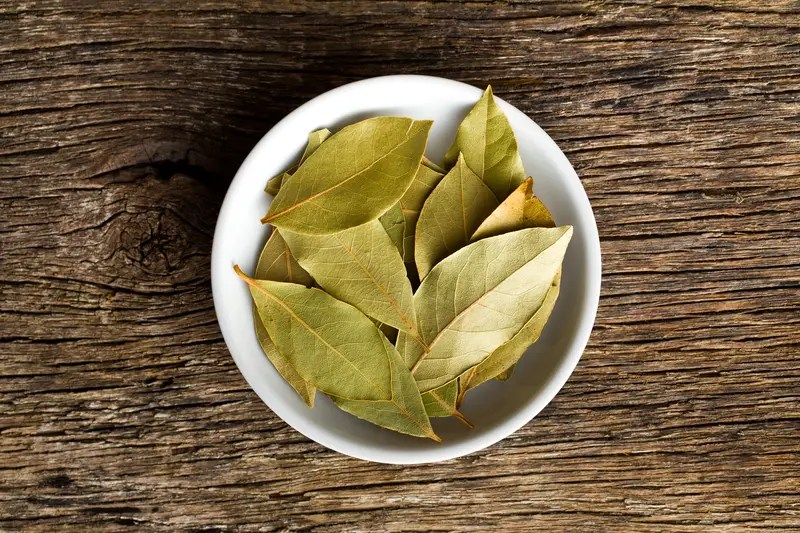
Most people have a jar of bay leaves sitting somewhere in their kitchen, probably collecting dust behind the paprika. You toss one into a pot of soup now and then, wondering if it actually does anything. But here’s the thing: bay leaves have a secret life that goes way beyond making your stew taste a little better. These unassuming dried leaves can actually protect your clothes, freshen your home, and keep bugs away from your belongings. It’s time to rethink where you’re storing them.
Bay leaves contain a compound that bugs hate
Ever wonder why some natural products claim to repel insects? The answer often comes down to specific chemical compounds. Bay leaves contain over 50 aromatic compounds and essential oils that give them their distinctive smell. One of the most important is eucalyptol, which gets its name from the eucalyptus tree. This colorless compound appears in many plants you probably already know, including basil, rosemary, and sage. It’s the same stuff found in popular mouthwashes and cough suppressants.
What makes eucalyptol special is that it appears to be toxic to insects, especially weevils. While eating bay leaves is perfectly safe for humans, bugs want nothing to do with them. This makes bay leaves surprisingly useful for keeping pests out of your home. You don’t need expensive sprays or harsh chemicals. A simple dried leaf from your pantry can do the job naturally and affordably.
Your flour and rice containers need a bay leaf
Nothing ruins your day quite like opening a bag of flour and finding tiny bugs crawling around. Grain weevils and pantry moths are common household pests that love dry goods. They can infest rice, flour, pasta, cereal, and just about anything else stored in your pantry. The worst part is that they often arrive already hiding in products you bring home from the store. Prevention is much easier than dealing with an infestation after it starts.
Placing dried bay leaves directly inside containers of rice or flour can help keep these pests away. The aromatic oils create an environment that bugs simply don’t want to enter. Some people worry about the leaves affecting the taste of their food. If the herbal scent is too strong for your liking, you can place the leaves around your cupboards instead of inside the containers. Either way, you’re creating a natural barrier against unwanted visitors.
Moths will stay away from your sweaters
Clothing moths are every wool sweater’s worst nightmare. These sneaky insects lay eggs on natural fibers like wool, cashmere, and silk. The larvae then munch away, leaving holes in your favorite garments. Traditional mothballs work but leave your clothes smelling like a chemical factory. Cedar blocks are popular but need regular sanding to stay effective. Bay leaves offer a simple alternative that actually smells pleasant.
When storing seasonal clothes, try tucking one bay leaf into each folded sweater before placing them in storage containers. The leaves will keep moths and other insects away while giving your clothes a light, herbal scent. You can also tuck them into stacked linens and towels or slip them between items in your dresser drawers. Another clever idea is adding bay leaves to jacket pockets hanging in your closet. Your coats stay protected and smell fresh when you pull them out next season.
Roaches and ants avoid areas with bay leaves
Cockroaches and ants are two of the most stubborn household pests. They seem to find their way into kitchens no matter how clean you keep things. Professional exterminators are expensive, and store-bought sprays can be harsh, especially if you have pets or kids around. While bay leaves won’t eliminate a major infestation, they can help discourage these bugs from setting up camp in your space.
Scatter dried bay leaves in your drawers, on shelves, and literally anywhere around your kitchen where bugs might enter. The strong scent of eucalyptol acts as a natural deterrent. Pay special attention to areas near the stove, under the sink, and in corners where crumbs tend to accumulate. You can also place them near entry points like windows and doors. Replacing the leaves every few months keeps the scent strong enough to remain effective against these unwanted guests.
A simple spray works when leaves aren’t enough
Sometimes you need more coverage than scattered leaves can provide. Maybe you’re dealing with a particularly stubborn pest problem or want to treat hard-to-reach areas. This is where a DIY spray comes in handy. You can create your own pest-repelling solution using the same compound that makes bay leaves effective. All you need is eucalyptus essential oil and water.
According to the National Library of Medicine, some eucalyptus oil contains up to 91% eucalyptol. Mix a few drops with water in a spray bottle for a powerful pest-repelling spray. Use it around baseboards, in cabinets, and anywhere bugs like to hide. You can also spray it on storage boxes before packing away seasonal items. This gives you the same bug-fighting benefits as bay leaves but in a more versatile form that reaches places leaves cannot.
Boiling bay leaves eliminates kitchen odors
Have you ever cooked fish and had the smell linger for days? Kitchen odors can be stubborn, clinging to curtains, furniture, and even walls. Air fresheners just mask the smell with artificial fragrances. Candles help but can be a fire hazard if you forget about them. Bay leaves offer a natural way to actually neutralize bad smells rather than just covering them up with something stronger.
Try boiling some water, throwing a couple of bay leaves inside, and mixing in some baking soda. This easy DIY solution releases the pleasant herbal aroma of the leaves while the baking soda helps absorb odors. Let it simmer on low for about 30 minutes and your kitchen will smell fresh and clean. This works great after cooking strong-smelling foods or whenever your kitchen needs a reset. The gentle herbal scent is much nicer than synthetic air fresheners.
Your shoes could use a bay leaf too
Smelly shoes are a universal problem. Whether you’re dealing with athletic sneakers or work boots, foot odor can make your whole closet smell bad. Baking soda helps but makes a mess. Specialized shoe deodorizers exist but add up over time. Bay leaves provide a simple, mess-free solution that also keeps bugs from taking up residence in your footwear.
Simply drop a bay leaf or two into each shoe after wearing them. The leaves will absorb moisture and leave behind a light herbal scent that smells much better than whatever was there before. This works especially well for shoes you don’t wear every day. Store them with bay leaves inside and they’ll be fresh when you need them. Just remember to remove the leaves before putting the shoes on, unless you enjoy crunchy surprises.
Fresh versus dried bay leaves matter
Not all bay leaves are created equal, and understanding the difference helps you use them more effectively. Fresh bay leaves straight from the tree have a more aggressive, almost eucalyptus-like aroma. This strong scent can be overwhelming in enclosed spaces like drawers or containers. Dried leaves have a softer, rounder quality that most people find more pleasant for household use.
When it comes to pest control, dried bay leaves work perfectly well. The aromatic oils remain present even after drying. However, bay leaves do fade over time like all dried herbs. If your jar has followed you through multiple apartments and several years, it’s probably time for a fresh supply. Old leaves lose their volatile aromas and won’t be as effective at repelling insects. Replace them annually for best results in your closet and pantry.
Growing your own bay tree saves money
Buying bay leaves at the grocery store works fine, but growing your own gives you an endless supply. The Mediterranean bay tree does beautifully in a pot on your patio or even indoors near a sunny window. These plants are drought-tolerant and low-maintenance once established. The more sun your plant gets, the stronger the leaves will be for both cooking and pest control.
One word of caution: keep your bay tree contained in a pot rather than planting it in the ground. These trees can grow surprisingly large. One food writer planted a bay tree in her yard and it grew to twenty feet tall, becoming quite the nuisance to manage. A potted plant stays a reasonable size while still producing plenty of leaves for all your household needs. You can pick fresh leaves and dry them yourself in the shade before use.
Bay leaves have earned their place in kitchens for centuries, but their usefulness extends far beyond soup pots and stews. From protecting your wool sweaters to freshening your shoes, these humble leaves punch well above their weight. Pick up an extra jar on your next grocery run, or order some from Amazon if that’s easier. Scatter them throughout your home and let those natural oils go to work keeping bugs away and everything smelling fresh.

