

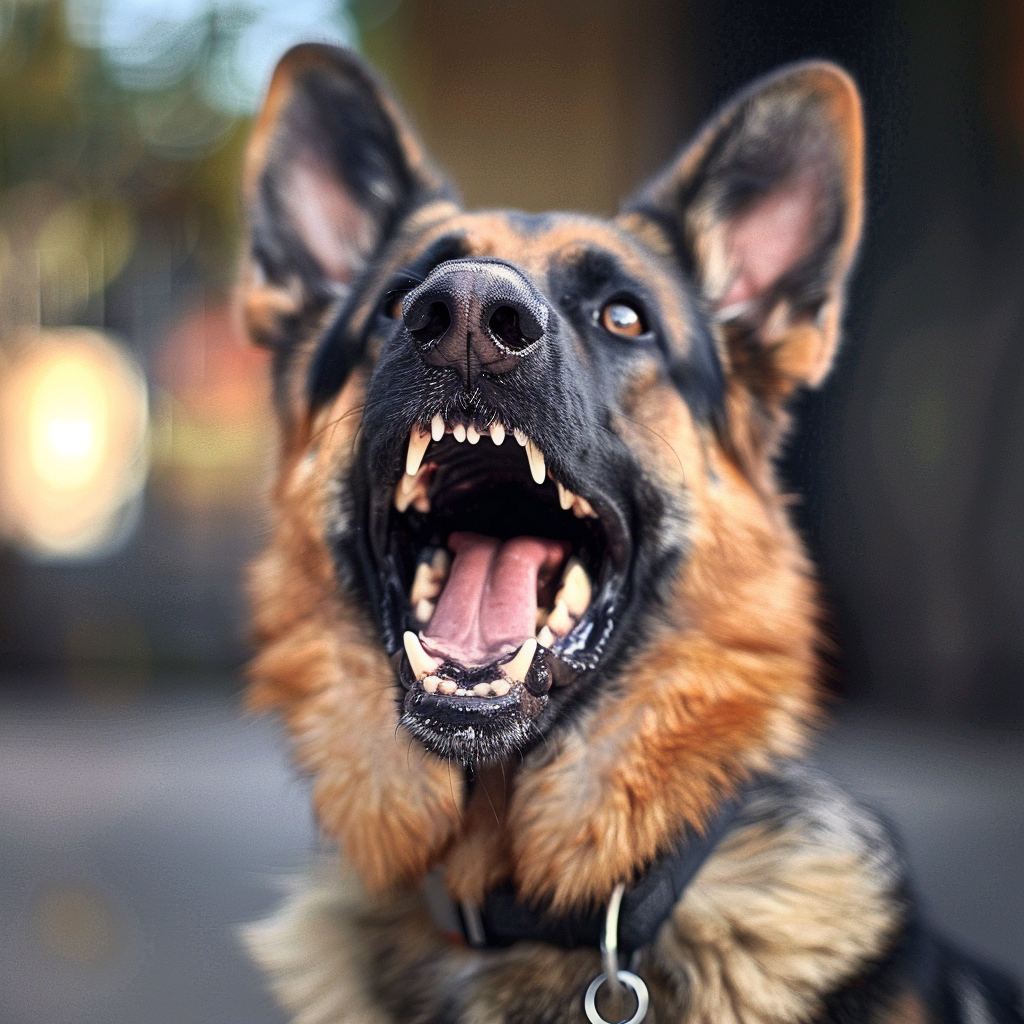
Every year, about 4.5 million people in the United States get bitten by dogs. That number might surprise you, but here’s something even more eye-opening: nearly 800,000 of those bites are serious enough to need medical attention. Kids are often the most common victims, and most bites happen at home or in places we think are safe. While any dog can bite if scared or poorly trained, some breeds show up in bite reports more than others. Does that mean certain dogs are born mean? Not exactly. The truth is way more complicated, and it has a lot to do with how dogs are raised and treated by their owners.
Pit bulls top the charts for biting incidents
Walk through any neighborhood and you’ll likely hear strong opinions about pit bulls. Some people cross the street when they see one. Others own them and swear they’re the sweetest pets alive. So what do the actual numbers say? Pit bull-type dogs are responsible for the highest percentage of dog bites in America. We’re talking about roughly 22.5% of all reported bites each year. When it comes to fatal attacks, pit bulls account for about 60% of deaths caused by dogs. Their powerful jaws mean that when they do bite, the injuries tend to be more severe than bites from other breeds.
But hold on before you judge every pit bull you meet. Many experts say this breed’s bad reputation comes from poor treatment and training rather than natural aggression. Pit bulls are often raised in terrible conditions for illegal dogfighting. That abuse shapes their behavior. Also, dogs that look similar to pit bulls often get lumped into bite statistics, even when they’re different breeds entirely. Staffordshire terriers, for example, look a lot like pit bulls and get misidentified all the time. With proper care, socialization, and training, pit bulls can be loyal family pets. The problem usually starts with the owner, not the dog.
Rottweilers rank second in serious attack statistics
Picture a big, muscular dog standing guard outside a home. Chances are you’re imagining a Rottweiler. These powerful dogs have been used for protection for centuries, going all the way back to Roman times when they helped herd cattle. Today, they’re popular as guard dogs and family pets. But that protective streak can become a problem. Rottweilers consistently show up as the second most common breed involved in fatal dog attacks. At one point in the mid-1990s, they actually passed pit bulls for the number of deadly bites in a single year.
A full-grown Rottweiler can weigh over 100 pounds. That’s a lot of dog to control if something goes wrong. Their strength means any bite can cause major damage. Insurance companies have taken notice too. Many list Rottweilers as high-risk breeds and charge higher rates or refuse coverage altogether. Does this mean all Rottweilers are dangerous? Not at all. They’re actually known for being loyal and intelligent when raised right. The key is consistent training from an early age. Without mental stimulation and clear boundaries, their natural guarding instincts can quickly get out of hand.
German shepherds bite due to protective instincts
There’s a reason German shepherds work with police and military units around the world. They’re smart, loyal, and naturally protective. These same traits make them popular family dogs too. But that protective nature has a flip side. German shepherds rank among the top breeds for bite incidents every year. One study found them third on the list of breeds most responsible for bites, right behind pit bulls and mixed breeds. Their history as working dogs means they’re wired to react when they sense danger.
The problem often comes down to training or lack of it. A German shepherd left alone in a backyard without much human contact can become anxious. When they finally meet strangers, they might react badly. Some bites happen because the dog was actually doing what it was trained to do as a guard dog. Without proper commands and control, things go wrong fast. German shepherds need jobs to do and clear leadership from their owners. Give them that structure and they’re amazing companions. Skip the training and you might end up with an overprotective dog that sees threats everywhere it looks.
Mixed breed dogs appear often in bite reports
This one might catch you off guard. Mixed breed dogs, the mutts we rescue from shelters and find wandering neighborhoods, show up frequently in bite statistics. One study found that after pit bulls, mixed breed dogs were the next most likely to be involved in biting incidents. Does that mean your friendly shelter dog is secretly dangerous? Not really. The numbers make more sense when you think about how many mixed breed dogs exist. They’re everywhere, so naturally they’ll be involved in more incidents just by sheer volume.
There’s another factor at play here. Many mixed breed dogs come from unknown backgrounds. A dog of unknown heritage might have behavior issues if it had a rough start or bounced between homes. People also tend to let their guard down around mutts because they don’t look like “scary” purebreds. That can be a mistake. Any dog, regardless of what breeds might be in its family tree, can bite if it feels threatened or hasn’t been properly socialized. The lesson here is simple: treat every unfamiliar dog with the same caution, no matter how cute or harmless it looks.
Chihuahuas are surprisingly aggressive biters
When most people think about dangerous dogs, tiny Chihuahuas don’t come to mind. These little guys weigh just a few pounds and fit inside purses. How much damage could they really do? Well, Chihuahuas actually show some of the highest levels of aggression among all dog breeds. They nip, growl, and bite more often than many larger dogs. The difference is that their small size means bites rarely make headlines or cause severe injuries. A Chihuahua won’t kill anyone, but it can definitely break skin and send someone to urgent care.
Why are these tiny dogs so feisty? Part of it comes down to how owners treat them. People often let small dogs get away with behavior they’d never accept from a German shepherd. Growling gets laughed off instead of corrected. Nipping is seen as cute rather than problematic. Over time, the dog learns that aggressive behavior works. Chihuahuas can be especially hostile toward both adults and children. Their small size makes kids seem like threats rather than friends. Anyone with a Chihuahua needs to take training seriously, even if the dog weighs less than a housecat.
Huskies have strong predatory instincts that cause problems
Those beautiful blue eyes and fluffy coats make Siberian huskies incredibly popular. They’re playful, friendly, and love being part of a family. So why do they appear on lists of dangerous dogs? Huskies have strong prey drives left over from their sled dog ancestors. They were bred to run for miles in harsh conditions and work as a pack. That wild streak never fully disappeared. When huskies get bored or frustrated, they can lash out. Children are particularly at risk because their small size and quick movements can trigger a husky’s hunting instincts.
These dogs need way more exercise than most breeds. A tired husky is usually a well-behaved husky. Leave one cooped up in an apartment all day with nothing to do and you’re asking for trouble. Huskies are also closely related to wolves compared to many other domestic breeds. That connection to their wild roots shows up in their behavior. They’re not naturally aggressive toward people, but they require owners who understand their needs. Consistent training and tons of activity help channel their energy in positive ways instead of destructive ones.
Doberman pinschers have a powerful bite force
Doberman pinschers look intimidating for good reason. They were literally bred to be guard dogs, originally created by a German tax collector who wanted protection while making his rounds. These sleek, muscular dogs have a bite force of around 600 pounds per square inch. That’s enough to cause serious damage fast. Dobermans are responsible for a notable number of dog bites every year, though they don’t reach pit bull or Rottweiler levels. Their athletic build and sharp reflexes make any attack from this breed a serious matter.
The good news? Dobermans are extremely loyal and trainable. They bond closely with their families and want to please their owners. With proper guidance, all that protective energy gets channeled into being a watchful but calm companion. Problems arise when Dobermans don’t receive enough socialization or training. Their natural wariness of strangers can tip into aggression if they’re not taught the difference between real threats and normal visitors. An untrained Doberman is like a loaded weapon with no safety. A well-trained one is a devoted family member.
Chow chows look cuddly but bite frequently
Few dogs look more huggable than a chow chow. That thick mane of fur makes them resemble fluffy teddy bears. Don’t let the cute appearance fool you. Chow chows are known for being highly territorial and independent. They’re responsible for a surprising number of bite injuries given their relatively smaller size compared to other dangerous breeds. Their stubborn personality makes them one of the harder breeds to train. When they decide they don’t like someone, good luck changing their mind.
Historically, chow chows served as guard dogs in ancient China. That protective streak runs deep in the breed. They tend to bond strongly with one person and view everyone else with suspicion. Without early socialization, chow chows can become aggressive toward strangers entering their home or even family members they see as outsiders. Kids who try to hug these fluffy dogs often end up getting nipped. Anyone considering a chow chow needs to commit to serious training and understand that this breed requires patience and firm boundaries from day one.
Responsible ownership matters more than breed alone
After reading about all these breeds, you might wonder if some dogs are just born dangerous. The answer from veterinary experts is no. The American Veterinary Medical Association reviewed decades of data and concluded that no single breed reliably predicts aggression. What matters more includes the owner’s behavior, training practices, whether the dog is fixed, and the environment it lives in. A pit bull raised with love and proper training can be gentler than a neglected golden retriever. The dog’s upbringing shapes its personality far more than its genetics.
So what can dog owners do? Start with basic obedience training as early as possible. Socialize puppies with different people, places, and other animals. Never encourage aggressive behavior, even playfully. Make sure your dog gets enough exercise and mental stimulation. Keep your pet properly secured with fences and leashes. Remember that you can be held responsible if your dog injures someone, regardless of whether it ever bit anyone before. Being a good dog owner isn’t just about loving your pet. It’s about protecting everyone around you too.
Understanding which breeds show up most often in bite statistics helps us stay aware, but it shouldn’t make us fear specific dogs. Every breed on this list includes countless loving pets that have never harmed anyone. The common thread in serious dog attacks usually points back to owners who failed to train, socialize, or properly care for their animals. If you’re thinking about getting a dog, pick one that matches your lifestyle and commit to doing right by it. Treat any dog with respect, give unfamiliar ones space, and remember that a good owner makes a good dog.

