

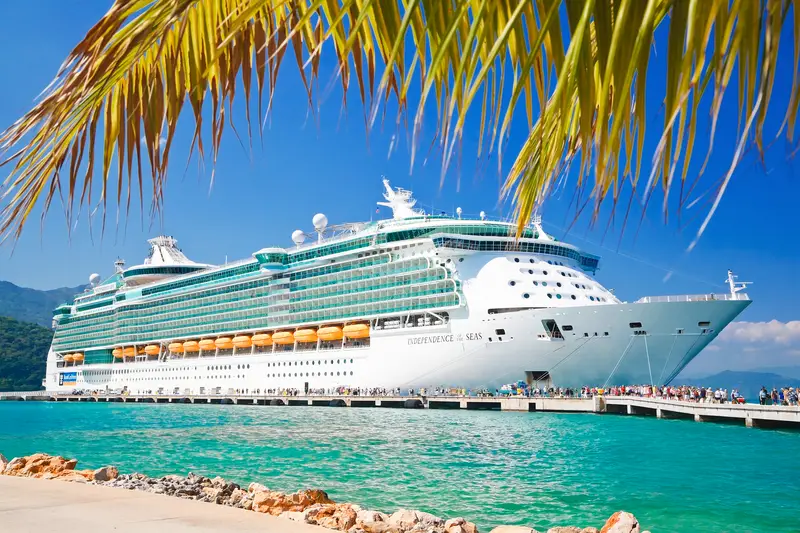
Cruise ships visit some of the most beautiful places on Earth, but not every port is a postcard-perfect paradise. Some stops on popular cruise routes come with serious safety concerns that most travelers never hear about until they arrive. From gang violence and kidnappings to aggressive vendors and rampant pickpocketing, certain destinations have earned terrible reputations among experienced cruisers. The Caribbean and Mediterranean are the two most popular cruising regions, yet both contain ports that even seasoned travelers refuse to visit twice. Knowing which stops to skip can make the difference between a dream vacation and a nightmare.
Haiti remains too unstable for cruise visits
Have you ever wondered why your cruise itinerary suddenly changed at the last minute? Haiti is often the reason. The third largest country in the Caribbean shares the island of Hispaniola with the Dominican Republic. About three-quarters of a million cruise visitors used to arrive each year. The US State Department raised the travel advisory to level four, which means “do not travel.” Gangs overthrew the prime minister, and violent battles for control spread across the country. Kidnapping, crime, and civil unrest became everyday occurrences that made it impossible for tourists to feel safe.
Cruise lines tried to work around these problems by going to Labadee, a private resort on a remote peninsula fenced off from the mainland. Royal Caribbean owns this property and kept it separate from the troubled areas. For a while, this solution worked. Then the situation got worse, and ships stopped calling there altogether. At the time of writing, cruises still aren’t visiting Haiti. Even when they return someday, the country will remain volatile and risky for tourists who step off the ship.
Jamaica has crime levels that keep rising
Jamaica sits about 100 miles west of Haiti and receives up to 1.4 million cruise passengers every year. The island has five cruise ports: Montego Bay, Ocho Rios, Falmouth, Port Antonio, and Kingston. Despite its popularity, the US State Department has a level three warning, which means “reconsider travel” due to rising crime levels. Many cruise passengers have reported feeling unsafe when they ventured outside the secure port shopping areas. Some travelers came back to ships describing harassment and sketchy situations that made them rush back to safety.
Online forums are filled with stories about negative experiences in Jamaica. One common complaint involves walking just a few blocks from the port area and encountering uniformed, heavily armed police officers at every corner. Travelers describe being hounded by people selling things and feeling more unsafe than they would in major American cities late at night. The aggressive vendors and overall atmosphere have convinced many cruisers to add Jamaica to their “never again” list. Staying in the controlled port area or booking official excursions seems to be the only safe option.
The Bahamas have more crime than you think
Nassau alone gets around four million cruise visitors a year, with 20,000 to 25,000 passengers often in port each day. Being so close to Florida makes the Bahamas extremely popular for short cruises. But the US State Department has raised its advice to level two, which means “exercise increased caution” due to rising crime and murders. Reports showed 18 murders in a single month, including killings in broad daylight on the streets. Most of the violence was related to gang activity that has been growing steadily in recent years.
The dangers aren’t limited to violent crime. Two female passengers on a cruise ship reported being drugged and raped by employees at a resort on Grand Bahama Island. These serious incidents have pushed many cruise lines to create their own private islands in the Bahamas instead. Places like Perfect Day CocoCay, Half Moon Cay, and Disney’s Castaway Cay offer controlled environments where passengers can enjoy the beautiful waters without the risks found in Nassau. Many experienced cruisers now prefer these private destinations over the main ports.
Colon Panama is dangerous and disappointing
Visiting the Panama Canal sounds like an amazing bucket-list experience. Unfortunately, the gateway city of Colon often ruins the trip. Located at the northern entrance to the canal, Colon serves ships transiting between the Atlantic and Pacific Oceans. The city has extremely high unemployment, which has led to serious crime problems. Officials built a huge shopping mall next to the port that sits mostly empty. Tour guides who grew up in Colon warn visitors not to leave that mall under any circumstance while waiting for their ships.
Stories from travelers paint a grim picture of this port. Some describe complete chaos during disembarkation, with people waiting in blazing sun for hours while military personnel shouted at them. The lack of infrastructure and general sketchiness have made Colon one of the most criticized cruise destinations. Interestingly, cruise lines continue to use it as both a port of call and even an embarkation point. Travelers who have visited recommend doing a canal tour if you must stop there, but treating Colon as a one-and-done destination that never needs repeating.
Cozumel Mexico is no longer the safe haven
Cozumel has always been considered one of the safer ports in Mexico. The island sits off the east coast near Playa del Carmen and welcomes around three million cruise passengers every year. While mainland Mexico has strong warnings due to drug cartels and gang activity, Cozumel was different. The island wasn’t on the route that criminals used to move drugs from South America into the United States. That geographic advantage seemed to keep it peaceful for years while surrounding areas struggled with violence.
Things have changed recently. Reports of escalating gang issues emerged when a man eating lunch with his family at a restaurant near the cruise port was shot dead in what appeared to be a gang hit. The increase in crime became so serious that Mexican authorities sent in the National Guard, Army, and State Police to conduct raids and regain control. This destination that once felt safe now requires the same caution as other troubled Mexican ports. Travelers should check current conditions before deciding to get off the ship.
Belize City requires careful planning to visit
Belize receives around one million cruise visitors a year, and most ships calling there also stop in Honduras. The US State Department has a level two warning for the country, citing crime that includes gang-related violence. Belize City itself falls in an area with high risk, and experienced travelers recommend never exploring on your own there. The port infrastructure is poor, and getting to shore often requires a long tender ride that can be uncomfortable. Many cruisers simply stay on the ship when they reach this port.
The good news is that some cruise lines offer alternatives. Norwegian Cruise Line and its sister companies call into Harvest Caye, a private island off the coast that feels safe and beautiful. Tours from there tend to be ocean-based rather than visiting the mainland. If your ship goes to Belize City instead, the excursions can be worthwhile for activities like snorkeling or visiting Mayan ruins. But those tours leave the city immediately. Walking around or exploring on your own is strongly discouraged by everyone who knows the area well.
Costa Maya feels like an expensive tourist trap
Western Caribbean cruises frequently include Costa Maya on their itineraries. The entire cruise terminal was built specifically for tourists and is packed with shops, restaurants, wildlife encounters, and swim-up bars. Some travelers enjoy the convenience of having everything in one place. Others find it completely inauthentic and designed purely to separate them from their money. Getting out of the port area requires navigating a maze-like layout that feels intentionally confusing. Many cruisers describe feeling trapped and annoyed by the whole experience.
Beyond the artificial atmosphere, there are practical concerns about visiting Costa Maya. Some travelers have reported credit card theft where their cards were cloned when they made purchases from certain vendors. Then criminals started buying things on their accounts. The Mayan Ruin tours that leave from this port can be worthwhile, but the port itself offers little beyond shopping. Many experienced cruisers say they wouldn’t bother getting off the ship if they ended up at Costa Maya again. The beach town of Mahahual nearby offers a more relaxed alternative for those willing to venture out.
Mediterranean ports have serious pickpocket problems
The Caribbean isn’t the only cruise region with risky ports. Mediterranean destinations present different dangers that focus mainly on theft. Barcelona is the busiest cruise port in the Med, welcoming around three-and-a-half million visitors a year. The greatest risk area is Las Ramblas, the famous street where everybody heads because it’s near the cruise terminal. The crowds get dense and chaotic, making it a pickpocket’s dream location. Tourists focused on sightseeing often don’t notice skilled thieves working through the groups.
Rome presents similar challenges at all the major attractions. Travelers on tours have reported multiple pickpocketing incidents at the Colosseum, Pantheon, and Trevi Fountain during single visits. Venice, with its cramped alleys and crowded St. Mark’s Square, sees regular theft as well. Athens has become notorious for pickpockets on public transportation, with some victims losing their passports and missing their cruises entirely. Florence and Pisa, accessed through the port of Livorno, also have significant problems. Being aware and keeping valuables secure is essential in all these beautiful cities.
What to do when your cruise stops somewhere risky
So your itinerary includes one of these ports. What should you actually do? First, check the latest travel advisories right before you leave because situations change quickly. The US State Department and UK Foreign Office websites make it easy to search by country and stay updated. Some websites like whatsinport.com also list current safety issues for specific cruise destinations. The daily program on your ship and port talks should mention warnings, though many travelers feel cruise lines downplay problems to avoid alarming passengers.
If you decide to leave the ship at a risky port, booking an official cruise line excursion provides the most protection. These tours use vetted guides and vehicles while keeping groups together in controlled situations. Self-exploring in dangerous areas is never recommended, and that includes taking random taxis or following strangers who offer deals at the pier. Sometimes the smartest choice is simply staying onboard and enjoying a less crowded ship while everyone else ventures into a sketchy port. Your safety matters more than checking another destination off your list.
Cruising remains one of the most enjoyable ways to see the world, but smart travelers know that not every port deserves their time. Checking current safety conditions, booking legitimate excursions, and sometimes choosing to stay aboard can prevent a vacation from turning into a disaster. The destinations mentioned here have earned their bad reputations through consistent negative experiences reported by real travelers. Whether dealing with violent crime in the Caribbean or pickpockets in Europe, being prepared makes all the difference. Do your homework before you sail, and don’t let a dangerous port ruin your trip.

