

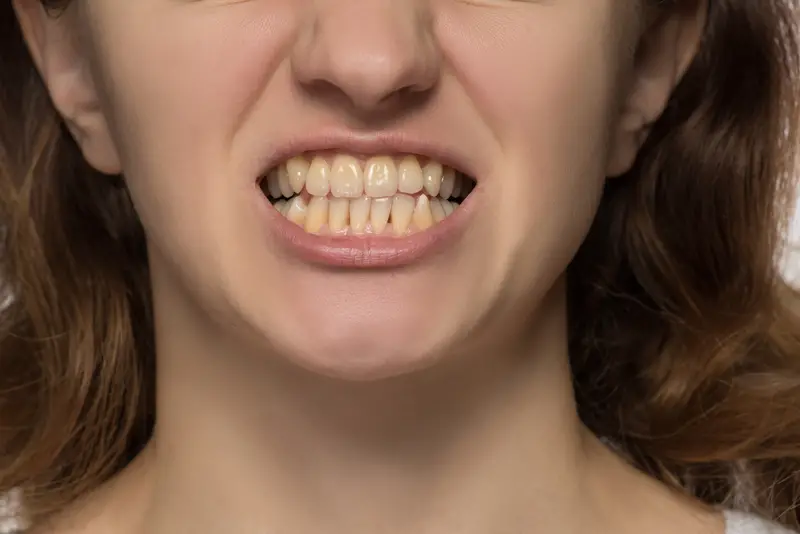
That morning coffee or delicious pasta dinner might be doing more than satisfying your appetite. Many foods and drinks you consume every day are slowly changing the color of your teeth, leaving them dull and discolored. The worst part? Some of the biggest staining culprits are things you probably eat or drink regularly without giving it a second thought. Understanding which foods cause the most damage can help you keep your smile bright without having to give up everything you love.
Coffee leaves lasting marks on your enamel
Your daily cup of joe contains compounds called tannins that act like sticky magnets for tooth discoloration. These molecules attach themselves to your tooth enamel and leave behind a yellowish tint that builds up over time. The more frequently you sip throughout the day, the more opportunities these tannins and chromogens have to settle into your teeth. What makes coffee particularly troublesome is that it’s acidic, which temporarily softens your enamel and makes it even more receptive to staining.
The temperature of your coffee matters too. Hot beverages open up the pores in your tooth enamel, creating more space for those staining particles to sink in deep. If you’re someone who nurses a single cup over several hours or drinks multiple cups throughout the day, you’re giving those pigments extended contact time with your teeth. Adding milk can actually help reduce staining because the proteins in dairy bind to the tannins before they reach your teeth, though this won’t eliminate the problem entirely.
Tea can actually stain worse than coffee
Many people switch from coffee to tea thinking they’re doing their teeth a favor, but black tea contains even higher concentrations of tannins than coffee does. These same staining compounds work their way into your enamel, often creating more noticeable discoloration than your morning brew. The catch is that different types of tea have varying staining potential. Black tea sits at the top of the list, while green and white teas contain fewer tannins and cause less damage.
Herbal teas might seem like a safe alternative, but some varieties can still leave their mark. The constant sipping habit that comes with tea drinking means your teeth spend hours exposed to these staining agents rather than just a few minutes. If you’re a tea lover who keeps a mug at your desk all day, those prolonged exposures add up significantly. The acidity level in tea also plays a role in how easily stains set in, as it temporarily weakens the protective layer of your teeth.
Red wine creates a double staining effect
That glass of wine with dinner comes with both deep pigmentation and high acidity working together against your teeth. The acid essentially roughens up your enamel surface, creating tiny grooves where the dark red and purple pigments can settle in and stick around. Wine lovers who enjoy their drinks slowly over an evening give these staining compounds plenty of time to work their way into tooth surfaces. The tannins in red wine behave similarly to those in coffee and tea, binding to your enamel and leaving noticeable marks.
White wine might not have the dark color, but it’s actually more acidic than red varieties. This means it can erode your enamel even more effectively, making your teeth vulnerable to staining from other foods you eat alongside it. The combination of wine’s acidity and pigmentation creates a particularly stubborn type of discoloration that’s harder to remove than surface stains alone. Swishing water between sips can help rinse away some of the staining agents before they have a chance to settle.
Tomato sauce combines acid with bright pigments
Your favorite marinara or pasta sauce packs a triple threat when it comes to tooth staining. Tomatoes are naturally acidic, brightly colored, and have a tendency to cling to surfaces including your teeth. The acid works to soften your enamel temporarily, while the vibrant red pigments seep into those weakened areas. Because tomato-based dishes are often eaten slowly over the course of a meal, your teeth get prolonged exposure to these staining compounds.
The frequency with which you eat tomato sauce matters just as much as the sauce itself. Weekly pasta nights or regular pizza dinners mean regular exposure to these staining properties. One helpful trick is to eat some leafy greens or salad before your tomato-based meal, as these vegetables create a protective film over your teeth. The acid in tomatoes can also wear down enamel over time, revealing the yellower dentin layer underneath and making your teeth look more discolored overall.
Berries leave colorful marks despite health benefits
Blueberries, blackberries, raspberries, and cranberries are packed with antioxidants and vitamins, but their intense colors come from pigments that easily transfer to your teeth. Whether you’re eating them fresh, drinking them as juice, or spreading them on toast as jam, these fruits have serious staining potential. The deep purples, reds, and blues that make berries so visually appealing are the same compounds that can leave your teeth looking dull. Their natural acidity adds to the problem by creating a rougher surface where pigments can grab hold.
Berry juice concentrates the staining power because you’re getting all the pigments without the fiber that helps scrub your teeth as you chew. Smoothies and berry-based drinks coat your teeth thoroughly, giving those colors maximum contact time. If you’ve ever noticed purple or blue tints on your tongue after eating berries, those same pigments are affecting your tooth enamel too. Rinsing with water immediately after eating berries helps wash away some of the color before it has time to set in.
Soy sauce sticks around longer than you think
That dark brown liquid you pour over sushi or stir-fry contains pigments created during the fermentation process that can stain your teeth surprisingly quickly. The deep color combined with a slightly sticky consistency means soy sauce clings to tooth surfaces and doesn’t rinse away easily with saliva alone. While a light drizzle here and there won’t cause immediate damage, regular consumption or heavy use adds up over time. The sodium content can also affect your mouth’s natural cleaning process.
Asian cuisine lovers who use soy sauce frequently might notice gradual yellowing that seems to appear out of nowhere. The dark pigment in soy sauce is particularly stubborn because it’s designed to add color to food, which means it’s equally effective at adding color to your enamel. Using low-sodium or reduced-sodium versions doesn’t necessarily reduce the staining potential since the color comes from the fermentation, not the salt content. Drinking water or eating crunchy vegetables alongside soy sauce dishes helps wash away some of the residue.
Balsamic vinegar combines darkness with stickiness
This popular salad dressing and marinade has a thick, syrupy texture that allows it to coat your teeth thoroughly and stick around longer than thinner liquids. The dark brown color comes from concentrated grape must, and those same pigments transfer easily to tooth enamel. Balsamic vinegar is also highly acidic, which means it can erode enamel while simultaneously depositing color. The sugar content in balsamic makes it even stickier, giving those staining compounds more time to work their way into your teeth.
Salads dressed with balsamic might seem like a healthy choice, but the vinegar in that dressing can leave lasting marks on your smile. The combination of dark color and acidity makes balsamic particularly effective at causing discoloration. Even small amounts can have an impact when consumed regularly over time. Pairing balsamic with cheese or other dairy products can help neutralize some of the acid, though it won’t completely prevent staining. Switching to lighter vinegars like white wine or rice vinegar reduces the staining risk while still giving you that tangy taste.
Curry spices leave yellow and orange tints
The vibrant yellow color in curry comes primarily from turmeric, a spice with incredibly strong pigmentation that’s used to dye fabrics and color food. Those same properties that make curry dishes so visually striking also make them particularly good at staining teeth. Other spices in curry blends like paprika and chili powder add red and orange tones that can leave their mark as well. The deep pigmentation combined with the oily base of many curry dishes helps those colors stick to your enamel.
Regular curry consumption can lead to a yellowish tinge that’s tough to brush away with regular toothpaste. The strong pigmentation in these spices means even occasional meals can have a noticeable impact. Eating crunchy raw vegetables like carrots, celery, or apples alongside curry dishes helps scrub away some of the color naturally. Making curry an occasional treat rather than a weekly staple reduces the cumulative staining effects while still letting you enjoy the food you love.
Soda attacks your teeth with acid and artificial colors
Whether you’re drinking regular or diet versions, carbonated soft drinks are extremely acidic and often loaded with artificial food colorings that stain teeth. The carbonation itself creates carbonic acid, which weakens enamel and makes it more susceptible to discoloration from other sources. Dark colas contain caramel coloring that leaves brown stains, while brightly colored sodas use dyes that can tint your teeth in surprising shades. The sugar in regular soda feeds bacteria that produce even more enamel-eroding acid.
Diet sodas aren’t any better for preventing stains since they still contain the same acids and colorings without the sugar. Clear sodas might seem safer, but they’re just as acidic and can make your teeth vulnerable to staining from other foods you eat throughout the day. Sports drinks and energy drinks fall into the same category, often containing both high acidity and artificial colors. Using a straw helps minimize contact between the liquid and your front teeth, though it doesn’t eliminate the problem entirely since the liquid still washes over your molars.
Keeping your smile bright doesn’t mean giving up all your favorite foods and drinks, but knowing which ones cause the most staining helps you make informed choices. Rinsing with water after consuming staining foods, waiting an hour before brushing to avoid damaging softened enamel, and maintaining consistent oral hygiene all help minimize discoloration. Professional whitening treatments can reverse existing stains, but preventing them in the first place saves you time and money in the long run.

