

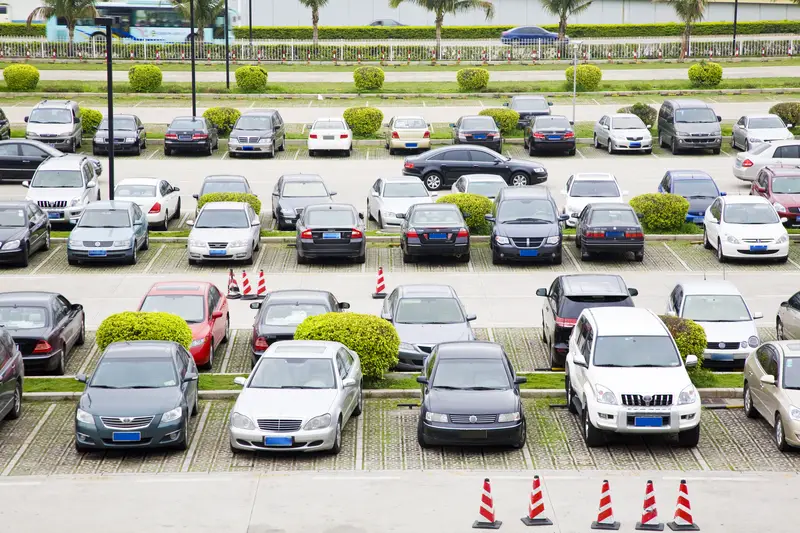
You come back from grabbing groceries, coffee, or picking up a prescription, and there it is — a fresh ding in your car door that wasn’t there twenty minutes ago. No note. No apology. No security footage. Just a mysterious dent and a sinking feeling in your stomach. Welcome to the most frustrating part of car ownership that nobody warns you about.
Most of us spend maybe two seconds choosing a parking spot. We look for proximity to the entrance, maybe shade on a hot day, and that’s about it. But the vehicle sitting in the spot next to yours matters way more than you think — and picking the wrong neighbor can cost you hundreds or even thousands of dollars in damage. The people who obsess over this stuff have figured out some surprisingly specific rules, and some of them are genuinely things I’d never considered.
The Sliding Door Rule That Has Nothing To Do With Dents
Let’s start with the one that caught me off guard, because it’s not about protecting your paint job — it’s about protecting yourself. The University of West Florida Police Department has a specific warning that most people have never heard: never park next to the side of a van that has a sliding door.
Think about that for a second. A sliding door opens wide and fast with almost no effort. Someone concealed inside can pull it open, grab a person, and close it in seconds. It’s a personal safety issue that has nothing to do with your car’s paint and everything to do with how vulnerable you are in a parking lot, especially at night.
The same police department recommends backing into your parking space so you can exit quickly if needed. They also suggest holding your keys like you would hold a screwdriver — not laced through your fingers, which is the thing everyone thinks is correct. Lacing keys between your fingers can actually hurt your own hand on impact. A screwdriver grip lets you strike or slash if you ever needed to defend yourself. Hopefully you never do, but the fact that campus police with 22 officers guarding over 12,000 people felt this was worth publishing tells you something.
The “Soccer Mom” Problem Nobody Wants To Talk About
Here’s an uncomfortable truth that every car enthusiast already knows but polite company doesn’t discuss: family vehicles are door ding machines. That Chevy Suburban with stick figure family stickers on the back window? The Cadillac Escalade with a “My Kid Is an Honor Student” bumper sticker? Those vehicles are statistically more likely to damage your car, and dent repair specialists have confirmed it.
The math is simple. A family of five — two parents, three kids — means those doors are opening and closing constantly. Kids aren’t exactly careful. They’re in a rush to get out, they shove the door open with whatever force their little arms can manage, and the edge of a Suburban door swinging into your quarter panel is not a gentle experience.
But the bigger issue is car seats. To properly strap a child into a car seat, a parent almost always needs to fully extend the door. That means the door is swinging out as far as it physically can, which in a tight parking lot means it’s swinging directly into whatever’s next to it. State Farm specifically warns drivers to check for child seats in a neighboring car before choosing a spot. If you see one, move on.
The Beat-Up Car Theory Is Real
This one sounds judgmental, and maybe it is a little, but professional driving safety guides back it up: if a car looks like its owner doesn’t care about it, that owner probably won’t care about yours either. An official best practice guide from a major fleet safety company states directly to avoid parking next to any vehicle that looks badly looked after — dented, scratched, neglected.
The logic isn’t complicated. If someone has a door that’s already dented and a fender that’s a different color from the rest of the car, they’ve already demonstrated they’re not losing sleep over cosmetic damage. They’re not going to carefully open their door to avoid touching yours. They’re not going to leave a note if their door swings into your side panel.
Car forum members have turned this into a science. One popular list from Kia Soul owners says to avoid anything older than the year 2000 that doesn’t have classic car tags, beat-up minivans with dog or kid marks on the windows, any conversion van, rust buckets, and any car where the doors, fenders, or hood are different colors — a dead giveaway that the owner had body work done and just pocketed the rest of the insurance money.
Two-Door Cars Are Sneaky Dangerous
This is one most people don’t think about. Two-door cars — coupes, older Pontiacs, muscle cars — have doors that are significantly longer than four-door sedans. That extra length means the door swings out much farther, covering a wider arc. In a tight parking space, those five-foot-long doors need a lot more room to open, and when they don’t have it, something gets hit.
Collision repair experts at a major national chain confirm this, noting that larger vehicles like SUVs and trucks also have heavier doors that cause more damage on impact. It’s not just about whether the door reaches your car — it’s about how much force it carries when it gets there. A heavy truck door swinging into your sedan isn’t the same as a Honda Civic door tapping it.
The Vehicles You Actually Want To Park Next To
If there’s a blacklist, there’s also a safe list. And car people have strong opinions about which vehicles make the best parking neighbors.
The consensus from dent prevention experts and online car communities is to seek out small cars like Hondas and Toyotas, which take up less space and have lighter doors, and expensive cars like BMWs, Mercedes, Lexuses, and Acuras. The reasoning is straightforward: someone who spent $50,000 or more on a car is probably being very careful about opening their doors. They’re protecting their own investment, and by extension, they’re protecting yours.
One TikToker who goes by @turbochargejay sparked a big debate about this in October 2025. His rule is simple: only park next to cars that are clearly loved by their owners. Modded Hondas, clean Infinitis, anything that looks like someone spends their weekends washing and waxing it. The comment section lit up with people agreeing, sharing their own parking strategies, and arguing about which cars are safest to park beside.
Parking Lots Are Way More Dangerous Than You Think
Here’s a number that stopped me cold: one out of every five car accidents in America happens in a parking lot. According to insurance data from 2025, that adds up to roughly 50,000 parking lot accidents per year, resulting in over 60,000 injuries and more than 500 deaths annually. In parking lots. Where people are driving under 10 miles per hour.
The deadliest move in a parking lot? Backing out. It creates blind spots that make it nearly impossible to see pedestrians or other cars approaching. That’s why driving safety organizations recommend backing into your spot when you arrive so you can pull forward when you leave. You get better visibility, faster exit, and fewer chances of hitting someone.
And here’s a wild stat: roughly two-thirds of drivers admit to making phone calls while driving through parking lots. Two-thirds. So while you’re carefully selecting the perfect spot next to a pristine Lexus, someone is FaceTiming their way through the lane behind you at eight miles per hour without looking up.
A Few More Tricks From People Who Take This Seriously
If you want to go full parking lot strategist, here are some lesser-known tips from the people who’ve clearly thought about this way more than most of us.
Park on the passenger side of another car whenever you can, especially at workplaces. Most people drive alone to work, which means driver’s side doors get opened constantly, but passenger doors stay shut all day. If you position yourself on their passenger side, your exposure drops dramatically.
Look for end-cap spots — the ones at the end of a row. They’re wider, and you can hug one side to create a buffer zone. The walk to the entrance is longer, but honestly, a few extra steps never hurt anyone.
Watch for vehicles with their wheels turned. This is a subtle one. If a parked car has its front wheels angled, it suggests the driver may have parked quickly or carelessly. That same carelessness might show up when they open their door.
And avoid parking next to pickups with toolboxes in the bed. Those trucks are loading and unloading lumber, metal, or concrete right next to your car. One wrong move with a two-by-four and your paint job is toast.
The truth is, most of us treat parking like it’s random — pull in, hope for the best, and deal with whatever happens. But the people who pay attention to this stuff aren’t being paranoid. They’re being practical. A single door ding can cost $150 to fix. Multiple dents can tank your car’s resale value. And if you’re one of those people who parks far away from everyone else in the back of the lot, congratulations — you’ve been doing it right all along.

