

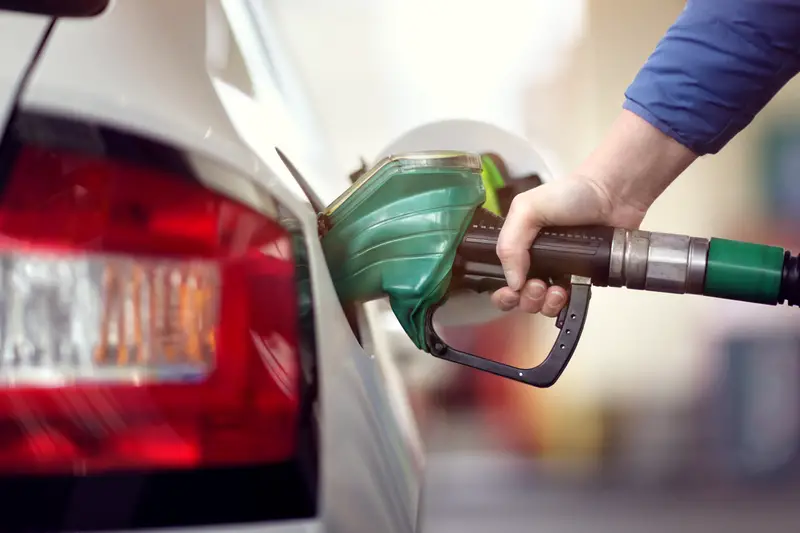
You probably don’t think twice about when you pull into a gas station. Tank’s low, station’s there, you swipe your card and wince at the total. But here’s something that might change your routine: the day of the week you fill up can make a real difference in what you pay. Not a few pennies, either. Over the course of a year, the wrong fill-up habit could cost you well over a hundred bucks.
GasBuddy, the gas price comparison app used by millions of Americans, has crunched the numbers on billions of fuel transactions. And the data is clear — there’s a worst day to buy gas, and most people are falling right into the trap.
Thursday Is The Day To Avoid
According to GasBuddy’s data, Thursday is the worst day of the week to buy gas. As the weekend approaches, stations start hiking prices because they know demand is about to surge. People are filling up for road trips, weekend errands, soccer practice shuttles — all that Friday-through-Sunday driving that keeps America on the move.
Stations know this. They’re not stupid. They adjust their prices based on predictable patterns of human behavior, and Thursday is when the upward creep typically begins. By the time you’re standing at the pump on a Thursday evening thinking you’re getting ahead of the weekend rush, you’re already paying a premium.
The price difference between the cheapest and most expensive day of the week can range from 10 to 25 cents per gallon depending on your state and the time of year. That might not sound like much on a single fill-up, but do the math on 52 weeks and a 15-gallon tank and you’re looking at real money left on the table.
So When Should You Fill Up Instead?
The data says Sunday and Monday are your best bets. In most states, Sunday takes the crown as the cheapest day. Monday is a close second. The logic makes sense when you think about it — weekend demand has passed, stations are competing for the slower weekday traffic, and prices dip accordingly.
Monday mornings, specifically, seem to be a sweet spot. The weekend rush is done, commuters are just getting back to their routines, and many stations that raised prices for Saturday and Sunday drivers have started bringing them back down. If you can time your fill-up for early in the week, you’re statistically more likely to pay less.
Now, this doesn’t apply equally everywhere. GasBuddy’s state-by-state analysis shows some variation. In a few states, Monday actually beats Sunday. In others, the difference between the best and worst days is more dramatic. But the general pattern holds across most of the country: early week good, late week bad.
Tuesday And Saturday Are Sneaky Expensive Too
Thursday gets the worst-day title, but it’s not the only day to watch out for. GasBuddy also flags Tuesday and Saturday as days to approach with caution. Saturday makes obvious sense — it’s peak driving time for most Americans, and stations know they can charge more when people are out running errands and hitting the road.
Tuesday is the weird one. You’d think midweek would be safe, but in some markets, Tuesday is when stations start inching prices upward after the Monday low. It’s like they give you one good day and then start the climb all over again. The midweek bump from Wednesday through Friday tends to be the most expensive stretch overall.
If you’re the kind of person who fills up “whenever,” you’re probably averaging out somewhere in the middle. But if you shift your habit even slightly — say, from your Thursday evening commute fill-up to a Sunday afternoon stop — you could see noticeable savings without changing anything else about your life.
Why Gas Prices Change So Much Day To Day
Most people assume gas prices only change when oil prices shift or when there’s some crisis in the Middle East. And sure, those things matter. But the day-to-day fluctuations at your local Shell or Chevron have way more to do with local competition and demand patterns than global crude oil markets.
Gas station owners — and yes, many stations are independently owned even when they carry a big brand name — watch what the station across the street is charging. They watch traffic patterns. They know that Friday afternoon brings a flood of customers who need gas before the weekend, and they price accordingly. It’s basic supply and demand playing out on a hyper-local, day-by-day level.
There’s also a psychological element. When prices drop on a Monday, people feel good and might not fill up all the way — they figure they’ll get more later. By Thursday, there’s an urgency. The weekend is coming. Better fill up now. That urgency is exactly what stations are counting on.
The “Gas Boycott” That Never Works
Every time gas prices spike, someone on social media proposes a one-day boycott. “Don’t buy gas on April 15th!” or “Nobody fill up on Tuesday — hit them where it hurts!” These chain messages have been circulating since at least the early 2000s. Fact-checkers have repeatedly pointed out why this doesn’t work, but the posts keep making the rounds.
Here’s the problem: if you skip buying gas on Tuesday, you’re just buying it on Monday or Wednesday instead. You’re not consuming less gas. You’re just shifting the purchase by 24 hours. The oil companies sell the exact same amount of fuel that week. For a boycott to actually affect prices, people would need to permanently reduce how much gas they use — not just move the day they buy it.
It’s the difference between a diet and skipping one meal. Skipping lunch on a Tuesday and then eating a double dinner doesn’t make you any thinner. Same idea with gas boycotts. They feel good to post about, but the economics don’t hold up for even five minutes.
Other Tricks That Actually Save You Money At The Pump
Picking the right day is one thing, but there are a few other moves that can stack up the savings. And unlike the boycott nonsense, these are backed by actual math.
First: don’t wait until you’re running on fumes. When your tank is near empty, you’re forced to stop at whatever station is closest, regardless of price. If you fill up when you’re at a quarter tank, you have the flexibility to wait for a cheaper option or a better day. Desperation is expensive.
Second: pay attention to which side of town you’re filling up on. Gas stations near highway exits and major intersections tend to charge more because of the convenience factor. A station two blocks off the main drag might be 15 or 20 cents cheaper per gallon. Apps like GasBuddy exist specifically to help you spot these differences.
Third: if your grocery store has a fuel rewards program — Kroger, Safeway, H-E-B, whatever is in your area — actually use it. These programs can knock 10 to 30 cents per gallon off, and they stack on top of the day-of-the-week savings. You’re already buying groceries. You might as well get something back for it.
Fourth: pay with cash if the station offers a cash discount. A lot of stations, especially independent ones, charge 5 to 10 cents less per gallon for cash because they don’t have to eat the credit card processing fee. It’s mildly inconvenient, sure. But over a year of fill-ups, you could save $75 to $150 just by using cash.
The Time Of Day Matters Too
This one is a little more old-school advice, but it’s rooted in actual physics. Gasoline is denser when it’s cool. When you pump gas in the early morning or late evening — when temperatures are lower — you’re getting slightly more energy per gallon than if you pump during the heat of a summer afternoon. The difference is small, but it’s real. Gas expands as it warms, and station pumps measure by volume, not by energy content.
In practice, this matters most in states with extreme temperature swings. If you live in Arizona or Texas and you’re filling up at 2 PM in July, the gas in those underground tanks is warmer than it would be at 6 AM. Over a full year of fill-ups, this could add up to a few extra miles per tank. It’s not life-changing, but it’s free — just a matter of timing.
Small Habits, Real Money
None of this is complicated. You don’t need a spreadsheet or a finance degree. You just need to shift one habit: stop filling up on Thursday. That’s it. If you can swing a Sunday or Monday fill-up, even better. Combine that with a fuel rewards program and a willingness to drive two minutes off the highway, and you’re looking at savings that could easily cover a nice dinner out every month.
Americans spend an average of about $2,000 to $3,000 a year on gasoline. Trimming even 5 to 10 percent off that number is $100 to $300 back in your pocket. Not from clipping coupons or making some dramatic lifestyle change — just from paying attention to what day it is when you pull up to the pump.
The gas station doesn’t care about you. It’s pricing fuel to maximize its own profit based on when it knows you’re most likely to be desperate. The least you can do is be a little less predictable.

