

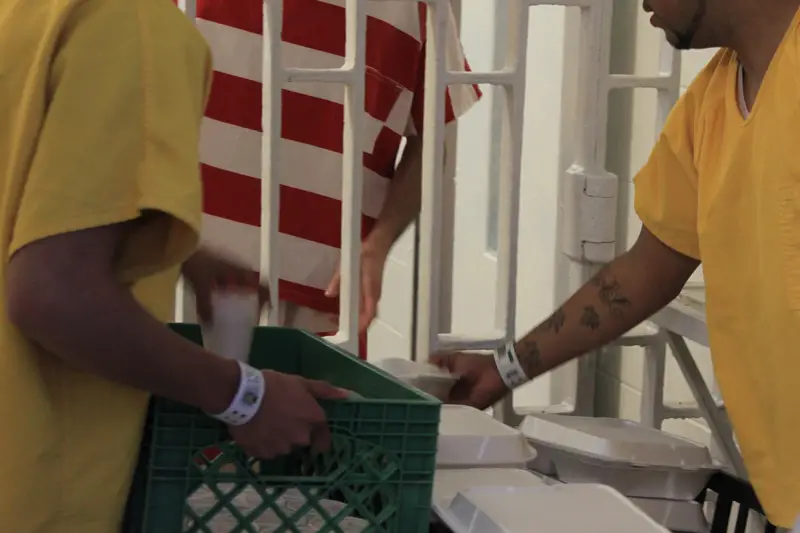
Most people think prison is all about following the official rules posted on walls and handed out in orientation. That’s only half the story. Behind bars, there’s an entire system of unwritten rules that nobody explains but everyone is expected to know. Break one of these invisible guidelines, and you might find yourself in serious trouble before you even realize what you did wrong. These aren’t the kind of rules you’ll find in any handbook, but they’re just as important as the official ones for staying safe and avoiding conflict with other inmates.
Joining conversations you overhear can get you hurt
Imagine standing in line and hearing two people discussing something you know about. In the outside world, you’d probably jump in with helpful information or your own experience. In prison, doing this exact thing is considered a major offense. Inmates call it “ear hustling,” and it means listening to conversations that don’t involve you and then inserting yourself without being invited. The reactions can range from aggressive questions like “Was I talking to you?” to someone pretending to roll up a car window as if you’re an unwanted interruption.
The social rules inside are completely different from what works on the outside. Even if someone is clearly looking for an answer that you know, and you politely say “excuse me, the answer is blank,” you’ve just crossed a serious line. People can get snapped at, threatened, or worse for this seemingly innocent mistake. The safest approach is to mind your own business entirely unless someone directly asks for your input or includes you in the discussion. This rule applies everywhere in the facility, from the yard to the cell blocks, and learning it the hard way can be a painful experience.
Television spots have assigned owners you can’t see
Walking into a TV room that appears to have empty seats seems like an invitation to sit anywhere you want. That assumption will cause problems fast. Every seat in the TV room has an assigned owner, even if that person isn’t currently sitting in it. These spots are earned by building relationships with whoever had the spot before and being given permission to take it over when they leave, or by paying someone to transfer their spot to you. The hierarchy is invisible to newcomers but crystal clear to everyone else.
The same rules apply to changing channels. You can’t just grab the remote and switch to something you want to watch without making absolutely certain nobody is watching the current program. Waiting for shows and movies to completely finish before attempting to change the channel requires patience but keeps you out of conflict. Some facilities have day rooms or TVs in recreation areas that operate on a first-come, first-serve basis, but even then, you need to confirm the local rules. The weight room operates the same way, with certain people claiming specific workout times and equipment throughout the day.
Cutting in line gets you confronted immediately
Lines form for everything in prison: showers, meals, commissary, medical appointments, and more. Standing in line becomes a regular part of daily life, and everyone takes their position seriously. Cutting ahead of someone or jumping into a spot you didn’t earn will get you called out right away. The tricky part is when someone already in line offers to let you go ahead of them. Your first instinct might be to thank them and accept, but that’s a mistake.
Just because one person gives you permission doesn’t mean everyone behind them agrees with that decision. Those other people in line didn’t consent to you moving ahead, and they might have strong feelings about it. The person who offered might have been testing you to see if you’d make this mistake, or they simply didn’t think about how others would react. Either way, you’re the one who will face the consequences for cutting, not the person who invited you to do it. The safest move is always to go to the back of the line and wait your turn like everyone else, regardless of any offers to skip ahead.
Covered windows mean stay out no matter what
Cell and room windows serve an important purpose beyond just letting people see inside. When someone hangs clothing, a towel, or a homemade cardboard cutout over the window, they’re sending a clear signal that they need privacy. This could be because they’re using the bathroom, taking care of personal matters, or engaging in intimate activities alone or with another person. Walking in on any of these situations creates extreme awkwardness at best and can lead to violent confrontations at worst.
The only exception to the covered window rule is when staff members are conducting a search of the space. In that case, they’ll tell you to leave anyway if you try to enter. Always knock before entering any room, whether the window is covered or not. This shows respect for whoever might be inside and gives them a chance to respond or tell you to wait. Knocking before you enter takes two seconds but prevents countless problems. Even if you think the room is empty or you’re just running in to grab something quickly, that knock is non-negotiable.
Poor hygiene gets you kicked out of your cell
The phrase “we are all grown men” gets used frequently behind bars, usually when someone needs to be reminded of basic life skills they should already know. Personal hygiene falls into this category. Taking daily showers, washing after work or workouts, cleaning hands after bathroom use, and keeping clothes and bedding clean are non-negotiable expectations. Nobody wants to live with someone who smells bad or creates an unsanitary environment in a shared space.
Cellmates will confront you about hygiene problems within the first few days if you’re not taking care of yourself properly. The conversation might start politely, or it might be blunt and aggressive depending on how bad the situation is and how patient your cellmate feels. One inmate shared that he told his cellmate in Milan to either start taking care of himself or find another bunk, and the cellmate moved out the next day. These confrontations happen regularly because living in close quarters with poor hygiene is unbearable, and nobody should have to tolerate it.
Touching someone else’s belongings starts fights
Personal property takes on extra importance when you have very few possessions to call your own. The simple rule is: if you didn’t put it there, don’t touch it. This applies to everything, including food items, magazines, books, artwork, laundry, and anything else that belongs to someone else. Moving someone else’s stuff is one of the leading causes of physical altercations in prison, even when the person who moved it had good intentions or thought they were being helpful.
You might find someone’s laundry sitting in a washing machine you want to use, or their belongings on a chair where you want to sit. The frustration is real, but moving their stuff is not worth the fight that could follow. The better approach is to ask around until you find out whose property it is, then talk to them directly about whether they’re still using the space or if their laundry is done. Finding another washer or another place to sit is always easier than dealing with the consequences of touching what isn’t yours.
Unpaid debts get settled through violence
Inside prison, an inmate only has two things of real value: money and word. When those two things don’t align, that person loses all credibility and respect. Whether someone gambles, smokes, drinks, or buys food from other inmates, paying debts on time is absolutely required. The inmate population isn’t known for being the most financially responsible group, but staying on top of obligations is different behind bars because the consequences are severe.
Eventually, time runs out for people who don’t pay what they owe. The debt gets collected one way or another, either through violence directed at the person who owes it or through the people they associate with. Paying your bills prevents becoming a target and protects the people you’re connected to from having to answer for your mistakes. The social economy operates on trust, and once that trust is broken by not paying up, repairing it becomes nearly impossible.
Waking someone from a nap causes serious anger
At lower security facilities like camps and minimum security prisons, taking naps is relatively safe and common. But disturbing someone’s sleep without permission is a quick way to make enemies. Before entering your room, you need to be aware of whether someone is napping inside. If your room has two sides, checking both areas before making noise or turning on lights is essential. The volume of your voice and whether you can use lighting depends entirely on whether someone is sleeping.
This rule exists because sleep is precious in an environment where stress runs high and true rest can be hard to find. Waking someone up without a good reason or prior permission shows disrespect for their need to rest and their personal space. If you absolutely must wake someone, make sure you have permission arranged ahead of time. Otherwise, adjust your behavior to accommodate their sleep schedule, keeping quiet and leaving lights off until they wake up on their own.
Moving into someone’s space without asking creates enemies
People want control over who they live with, and this becomes more important at higher security levels. When you first arrive at a facility, you’ll be assigned a bunk number and usually can’t control the initial placement. But once you’re established and looking to move somewhere else, asking permission from your potential roommate before requesting the transfer is basic respect. If the bunk is completely open with no current occupant, ask the others in that room if they mind you moving in.
Someone might already have plans for that empty bunk, such as bringing in a friend or associate. Moving in without permission disrupts those plans and creates conflict right from the start. The person who had plans for that space won’t be happy, and the others in the room might side with them rather than with you. Starting off on the wrong foot with your roommates makes daily life much harder than it needs to be, so taking a few minutes to ask first saves countless problems later.
Prison operates on a completely different set of social rules than the outside world. These unwritten guidelines aren’t about being difficult or creating unnecessary complications. They exist because people living in extremely close quarters with limited resources need clear boundaries to prevent constant conflict. Learning these rules quickly, ideally from someone willing to explain them rather than through painful personal experience, makes the difference between staying safe and finding yourself in dangerous situations over seemingly small mistakes.

