

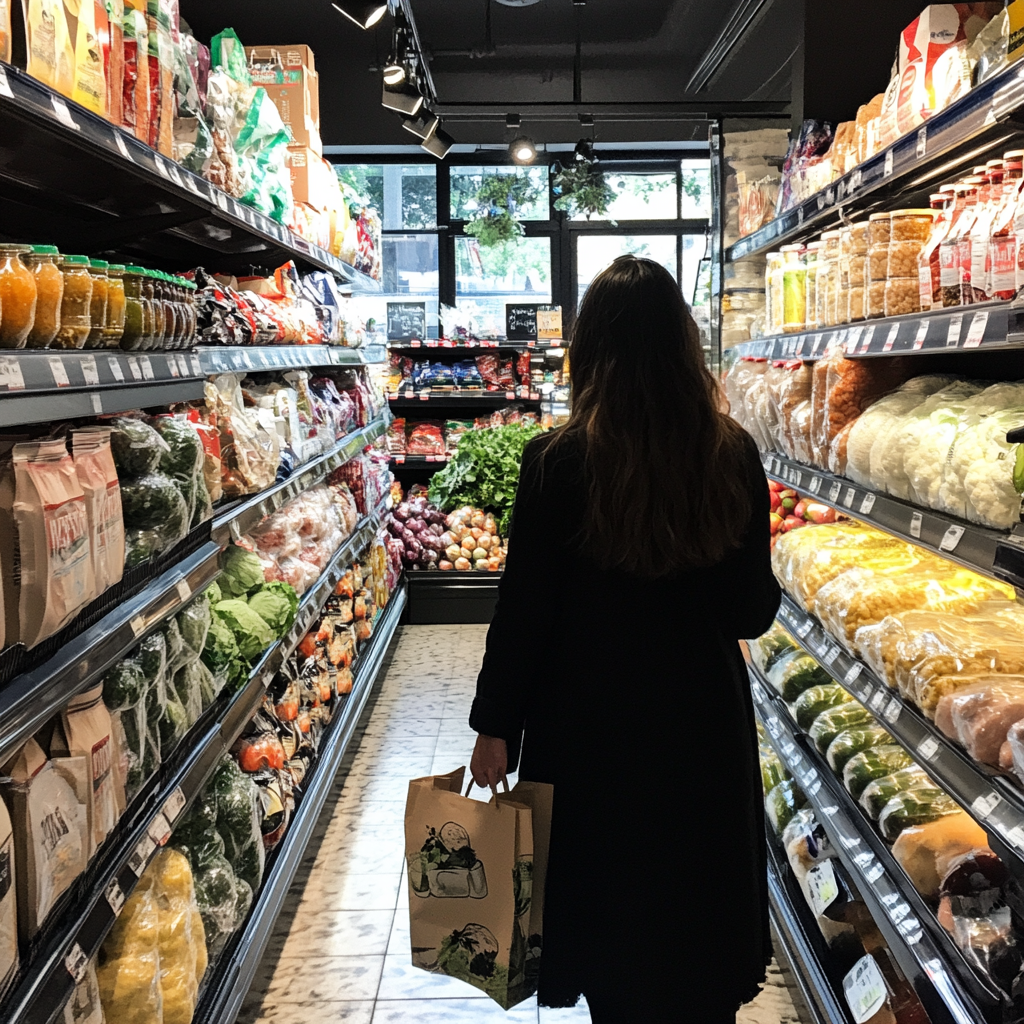
The average American family spends over $270 a week on groceries, and a surprising chunk of that money goes toward items that cost way more than they should. The thing is, most of us don’t even notice. We grab the same stuff every trip without thinking twice about whether a cheaper option exists. But it does—almost every time. Here are some of the worst offenders sitting in your cart right now.
Pre-cut fruit is a total ripoff
We’ve all been there. Standing in the produce section, eyeing that neat little container of watermelon cubes. It looks so easy. No mess, no giant melon rolling around the fridge. But that convenience has a serious cost attached to it. A lot of times, the pre-cut version costs two to three times more than the whole fruit sitting right next to it. That’s a huge markup for something that takes about five minutes of work at home with a decent knife.
Here’s a real example: a 16-ounce container of precut watermelon at Walmart costs $4.58. A whole watermelon? Just $4.27—and it gives way more fruit. The same goes for pineapple chunks, mango slices, and melon cups. Every single one is marked up for the labor and packaging. If saving money matters, this is one of the easiest swaps to make. Grab the whole fruit, spend a few minutes at home, and keep the extra cash in your pocket.
Name-brand spices cost way too much
There’s a quiet little scam happening in the spice aisle. Those pretty glass jars with the fancy labels look great on the shelf. But the spice inside is basically the same as the store-brand version next to it. Garlic powder is garlic powder. Paprika is paprika. The name on the label doesn’t change what’s inside. Yet people still reach for the expensive one out of habit. It’s one of those grocery routines that costs more than anyone realizes over time.
Consider this: a bottle of Morton & Bassett garlic powder runs about $7.36 for 2.6 ounces at Safeway. The store-brand version gives more product—3.12 ounces—for just $4.99. That’s almost $2.50 in savings on a single spice. Multiply that across a full spice rack and it adds up fast. Another smart option is buying from bulk bins or ethnic grocery stores. The prices there are often even lower, and the quality is just as good—sometimes even better.
Single-serve snack packs add up fast
Parents know this struggle well. Kids need snacks for school, the car, sports practice, and apparently every other moment of the day. Those little bags of pretzels, crackers, and cookies look like an easy solution. Toss one in the lunchbox and move on. But the price per ounce on those tiny bags is always higher than the full-size version. Way higher. Stores know people will pay for the grab-and-go factor, and they price accordingly.
The fix here is simple but effective. Buy the big bag or box and portion things out at home using reusable containers or small bags. It takes a couple of extra minutes each week, but the savings are real. Some families report cutting their snack spending in half just by making this one change. The snacks taste exactly the same. The only difference is that the packaging is less cute—and the price tag is a whole lot lighter.
Bottled coffee is burning through your cash
How much are those bottled coffee drinks really costing over a month? A single Starbucks vanilla chilled coffee at Target runs about $3.49 for 13.7 ounces. That doesn’t sound terrible on its own. But if someone grabs one three or four times a week, that’s over $50 a month on what is basically flavored coffee in a plastic bottle. That’s a significant amount of money for a drink that takes minutes to make at home.
A 12-ounce bag of Starbucks Breakfast Blend ground coffee costs about $9.89. From that single bag, a person can make dozens of cups. Add a splash of vanilla syrup and some milk, and the result is pretty close to the bottled version. The same goes for single-serve coffee pods, which are also expensive per cup compared to regular ground coffee. A standard drip coffee maker or even a French press does the job for a fraction of the cost.
Pre-made smoothies aren’t worth the price
Bottled smoothies have become a go-to for people who want a quick and easy option while shopping. They look great sitting in the refrigerated section. But most of them cost between $3 and $5 per bottle. That’s a lot for something made mostly from fruit, water, and sugar. And honestly, many of them contain added sugars like fructose and corn syrup that make them less impressive than the label suggests.
Making a smoothie at home costs under a dollar in most cases. Frozen fruit, some yogurt, and milk or juice—that’s it. A bag of frozen strawberries or mixed berries from the freezer section lasts for multiple smoothies. The homemade version also lets people control exactly what goes in. No surprise ingredients, no unnecessary sweeteners. Plus, frozen fruit stays good for months, which means less waste and more smoothies per dollar spent. It’s one of the easiest money-saving switches in the grocery store.
Pre-packaged charcuterie boards are overpriced
Charcuterie boards have become a huge trend in recent years. Stores caught on and started selling pre-made versions wrapped in plastic with a neat little arrangement of meats, cheese, crackers, and olives. They look Instagram-ready, but the price tag is hard to swallow. A 12.5-ounce Columbus charcuterie board at Walmart costs almost $15. A similar option at Safeway runs close to $20. That’s a lot for a small tray of snacks.
For that same $15 to $20, anyone can buy individual packages of salami, a block of cheese, a box of crackers, and a jar of olives—and end up with way more food. Arrange it on a cutting board at home and it looks just as good. The same logic applies to those small, pre-packaged portions of gourmet cheese. Buying a bigger block from the deli counter and slicing it at home is always cheaper per pound. It’s really just about skipping the fancy packaging.
Pre-seasoned meats have a hidden markup
The meat section has gotten sneaky. Stores now sell chicken, beef, and pork that’s already sitting in a marinade, ready to cook. It sounds like a time-saver, and it is—by about ten minutes. But the cost per pound on pre-marinated meat is noticeably higher than plain cuts. That teriyaki chicken or lemon herb pork loin carries a premium that goes straight to the store’s profit, not to a better quality of meat.
The ingredients in store marinades are often basic—oil, salt, sugar, and some spices. Anyone can mix those at home in under five minutes. A quick splash of soy sauce, a squeeze of lemon, and some garlic turns a plain chicken breast into something great. Buying plain cuts and seasoning them at home means more control over what’s in the food and more money left over at checkout. It’s one of those swaps that feels small but makes a big difference over time.
Flavored yogurt cups cost more than plain tubs
Individual yogurt cups seem cheap at first glance—maybe a dollar or so each. But look at the cost per ounce and the math tells a different story. Those little cups, especially the ones with added fruit or granola on the side, are marked up compared to buying a large tub of plain yogurt. A big container of Greek yogurt can last a whole week and costs about the same as four or five of those single-serve cups.
The better move is to buy one large tub and add toppings at home. A spoonful of honey, some fresh berries, or a handful of granola does the trick. It’s the same breakfast or snack, but for less money per serving. There’s also less plastic waste, which is a nice bonus. The single-serve cups are really just another example of paying extra for portion control that anyone can do themselves with a bowl and a spoon.
Boxed rice mixes aren’t worth the box
Those little boxes of seasoned rice blends sit on the shelf looking like a quick dinner side. And sure, they’re easy. Boil water, dump it in, wait fifteen minutes. But a box of flavored rice costs several times more than a bag of plain rice that holds ten times the amount. The “seasoning” in the box is mostly salt, dried onion flakes, and a few herbs—nothing that can’t be added from a regular spice cabinet.
Plain rice is one of the cheapest items in the entire grocery store. A big bag costs a few dollars and lasts for weeks. Add some butter, a splash of broth, or a sprinkle of cumin and garlic powder, and the result is better than what comes out of the box. People who make this switch often say they never go back. It takes the same amount of time on the stove but costs a fraction of the price. That little flavor packet just isn’t worth the extra dollars.
Saving money on groceries doesn’t mean giving up good food or going without. It just means paying attention to where the markups are hiding. Most of these swaps take less than five minutes of extra effort and put real money back in the budget each week. The stores won’t tell anyone which items are overpriced—they’re counting on people not noticing. But now that the secret’s out, the next grocery trip can look a lot different.

