

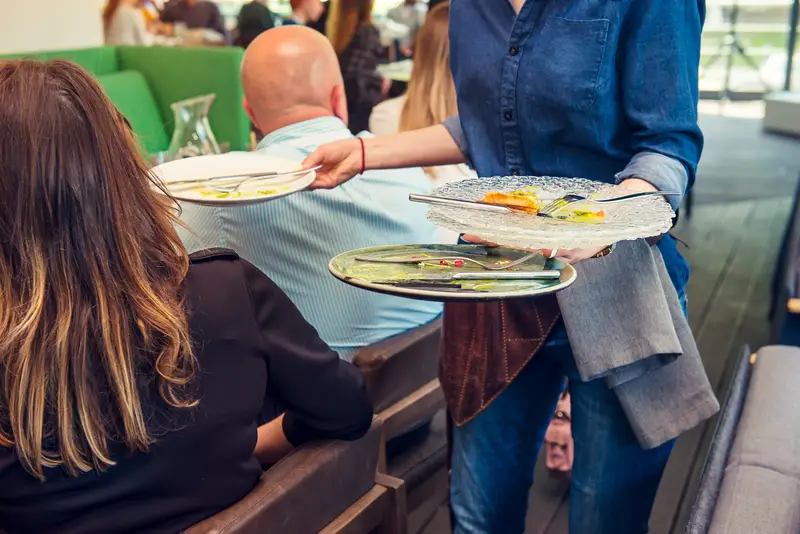
Walking into a restaurant should be a pleasant experience where you get to relax, enjoy good food, and have someone else handle the cooking and cleanup. Your server is there to make your meal go smoothly, answer reasonable questions, and make sure you have everything you need. But some questions can make things awkward, put your server in an uncomfortable position, or even slow down your service. Knowing what not to ask can make your dining experience better for everyone involved. These four questions might seem harmless, but they create problems that can affect your meal and your server’s ability to do their job well.
Asking what their favorite menu item is won’t help you
When you’re staring at a menu trying to decide what to order, it seems natural to ask your server what they like best. The problem is that their personal taste might be completely different from yours. Servers often have different preferences than the typical customer, and their answer might not help you make a good choice. Someone who grew up eating frozen dinners might genuinely prefer the chicken fingers on the kids menu over the expensive seafood dishes. Their favorite thing might be the cheapest burger while most customers rave about the grilled salmon.
Instead of asking about personal favorites, ask what’s most popular or what other customers seem to enjoy. This gives you information based on a wider range of opinions rather than one person’s taste. Your server can tell you honestly which dishes get ordered most often, which items people consistently compliment, or which plates come back to the kitchen empty. They can also share what items sell out quickly or what regulars tend to order. This approach gives you better information without putting your server in the awkward position of recommending something they personally like but you might hate.
Questioning if a dish is good puts servers on the spot
Asking whether something is good seems like a simple yes or no question, but it’s actually impossible for your server to answer honestly. Many servers haven’t tasted everything on the menu, especially the expensive items that restaurants don’t provide for staff to sample. They’re expected to sell these dishes without ever having tried them. Even if they have tasted something, their opinion is just one person’s view. What they think is amazing might be something you find disgusting, and vice versa. A server who hates raw fish isn’t the best person to ask about the quality of the steak tartare.
The better question is how a dish is prepared or what ingredients it contains. Your server definitely knows this information and can give you specific details about cooking methods, sauces, and components. They can tell you if something is spicy, creamy, grilled, or fried. They know which dishes are large portions and which are lighter options. With this concrete information, you can make your own decision about whether you’ll like it. You can also ask how other customers react to a dish, which gives you better information than one person’s taste buds.
Don’t ask why prices are so high
Sticker shock is real when you’re looking at restaurant menus, and some prices can seem outrageous for what appears to be a simple dish. But your server didn’t set those prices and doesn’t know the details behind them. They have no control over what the restaurant charges and can’t explain the owner’s pricing decisions. Asking them why something costs so much puts them in an impossible position where they have to defend prices they didn’t choose. The server doesn’t know about food costs, supplier relationships, rent expenses, or profit margins that go into menu pricing.
If you really want to understand restaurant pricing, that’s a question for the manager or owner, not your server. They could tell you about wholesale food costs, labor expenses, equipment maintenance, and all the other factors that determine menu prices. But honestly, the bottom line is simple: the restaurant sets the price, and you decide if it’s worth it to you. If something seems too expensive, order something else or choose a different restaurant. Your server is just there to take your order and bring your food. Similarly, don’t ask why your food is taking so long or why things cost what they do, because these aren’t questions they can answer.
Never ask what else they do for a living
This might seem like friendly small talk, but asking a server what else they do besides waiting tables is actually insulting. The question assumes that serving food isn’t a real job or that nobody could possibly make a living doing it full time. It implies that waiting tables is just something people do while pursuing their real career or that it’s not worthy of being someone’s actual profession. Would you walk up to a teacher or nurse and ask what else they do? Probably not, because you recognize those as legitimate jobs even though teachers often make less money than experienced servers.
Many servers work 40 hours a week or more at their restaurant job. That’s their career, and they might be perfectly happy with it. Some make excellent money, especially at higher-end restaurants. Others might work multiple service jobs, but that could be because their other job doesn’t pay enough, not because serving isn’t legitimate work. Even if someone is waiting tables while pursuing another career, pointing it out is rude. You wouldn’t ask personal questions about someone’s career aspirations or financial situation in any other context. If your server wants to share information about their life, they will. Otherwise, stick to questions about the menu and your meal.
Asking how much money servers make is inappropriate
Money talk is awkward in most situations, and asking your server about their income is no exception. This question is rude no matter who you ask, whether it’s your neighbor, your cousin, or the person bringing your food. It’s nobody’s business how much money someone else makes. If you’re curious about server wages because you’re thinking about working in a restaurant, the appropriate way to find out is to apply for a job, go through the interview process, and ask about compensation when it’s relevant. Your server isn’t there to provide career counseling or financial information.
The question also puts servers in an uncomfortable position because their income varies wildly based on tips, which depend on factors they can’t always control. Some nights are great, others are terrible. Some sections of the restaurant get better tips than others. Asking about money while they’re working is inappropriate and intrusive. It’s the same reason you wouldn’t ask your dentist or accountant what they make while they’re doing their job. Keep financial questions to yourself and focus on the meal you’re about to enjoy. If you’re really curious about restaurant wages, plenty of information is available online without making someone uncomfortable during their shift.
Personal questions about appearance are off limits
Just because someone is serving your table doesn’t mean they’re open to commentary about their body, appearance, or personal life. Questions about whether someone is pregnant, their ethnicity, relationship status, or why they have certain tattoos or piercings are inappropriate in any workplace, including restaurants. These questions make people uncomfortable and have nothing to do with your meal. Commenting on a server’s attractiveness, weight, hair color, or any other physical characteristic is completely out of line. They’re there to do a job, not to be evaluated on their appearance or answer invasive questions.
Asking for someone’s phone number while they’re working puts them in an extremely awkward position. They can’t easily say no without potentially affecting their tip, which means you’re using your position as a customer to make them uncomfortable. If you want to leave your phone number for them, you can do that, but understand that it probably won’t go anywhere, especially if you don’t tip well. Leaving a phone number with a bad tip guarantees that number will either get thrown away or possibly used in ways you didn’t intend. Keep things professional and remember that servers are people doing their job, not there for your personal entertainment or romantic prospects.
Requesting off-menu items creates unnecessary problems
Asking for something that’s not on the menu might seem harmless, but it creates complications throughout the restaurant. The kitchen is set up to prepare specific dishes with specific ingredients. When you ask for Thursday’s special on Friday, you’re requesting ingredients that might not be in stock anymore. When you want happy hour prices after happy hour ends, you’re asking your server to override the restaurant’s pricing system, which they can’t do. Asking for Coke when the restaurant serves Pepsi products means they literally don’t have what you want in the building.
The answer to these requests is almost always going to be no, so you’re wasting time and energy asking. The menu shows you what’s available right now at current prices. Special promotions have specific time limits for good reasons. Product choices are made through contracts and supplier relationships that individual servers have no control over. Instead of asking for exceptions, work with what’s actually available. If you really want something the restaurant doesn’t offer, you might need to go somewhere else. Your server will appreciate you understanding that they can’t make exceptions to basic restaurant policies and inventory limitations.
Ordering water for the whole table wastes resources
It seems helpful to tell your server that everyone at the table wants water, but unless you’ve actually confirmed this with every single person, you’re creating waste. Not everyone wants water with their meal. Some people prefer to drink only what they ordered, whether that’s soda, beer, wine, or coffee. When you tell the server to bring water for everyone, they either have to carry a bunch of glasses to the table or make multiple trips. Then half those waters sit untouched throughout the meal, wasting clean glasses, ice, and the server’s time.
The better approach is to let people order their own drinks, including water if they want it. If someone at your table is thirsty, they’re perfectly capable of asking for water themselves. The server will be happy to bring water to anyone who requests it. This prevents waste and saves your server from carrying unnecessary items back and forth. It also means the dishwasher isn’t cleaning glasses that were never used. Small considerations like this make service smoother and more efficient. Your server will notice and appreciate that you’re thinking about the practical side of their job rather than making assumptions about what everyone needs.
The one question servers always appreciate hearing
After all these questions you shouldn’t ask, there’s one simple question that servers genuinely appreciate: How are you today? This basic courtesy acknowledges that your server is a human being, not just someone there to fulfill your requests. It takes two seconds and makes the interaction more pleasant for both of you. Most customers launch straight into their drink order without any greeting or acknowledgment. Taking a moment to treat your server like a person rather than a service robot sets a positive tone for your entire meal.
This small gesture of politeness often results in better service because servers remember customers who treat them well. You’re more likely to get helpful recommendations, attentive refills, and patience with special requests when you start the interaction on a friendly note. It’s not about manipulating someone into better service, it’s about basic human decency. Servers deal with rude, demanding, and sometimes hostile customers all day long. Being one of the nice ones doesn’t take extra effort, and it makes their job more bearable. Next time you sit down at a restaurant, start with a simple greeting before diving into your order, and save everyone the awkwardness of inappropriate questions.
Dining out should be enjoyable for everyone involved, including the people working to make your meal happen. Avoiding these common questions shows respect for your server’s time, position, and humanity. Stick to questions about the menu, preparation methods, and your actual meal. Treat servers the way you’d want to be treated at your own job. When you’re unsure whether a question is appropriate, err on the side of not asking it. Your server will appreciate your consideration, your meal will go more smoothly, and everyone can enjoy the restaurant experience the way it’s meant to be.

