

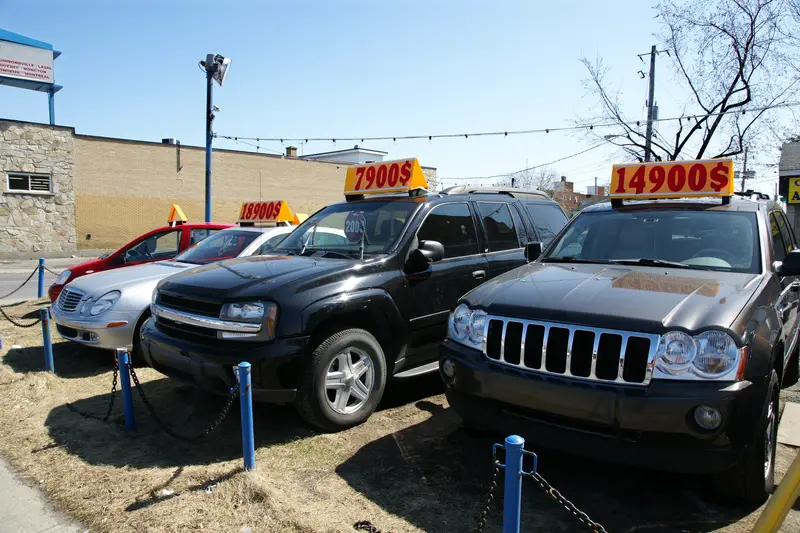
Shopping for a used car can feel like winning the lottery when you find something stylish within your budget. But mechanics who repair vehicles daily know that certain popular models turn into money pits the moment they leave the dealer lot. These cars might look great in photos and seem like smart purchases, but the repair bills start piling up fast. What seems like a bargain at first becomes an expensive nightmare that drains your wallet year after year. The cars people buy most often aren’t always the ones that hold up best over time, and knowing which models to skip can save you thousands in unexpected repairs.
BMW X5 looks fancy but empties your wallet
The BMW X5 attracts buyers who want a prestigious SUV that looks expensive parked in the driveway. This German luxury vehicle promises sporty handling and a premium driving experience that makes you feel successful. However, mechanics see these SUVs regularly for oil leaks, failing air suspension systems, and electronic problems that cost more than most people’s monthly car payments. The fancy features that made you want this car become liabilities once the warranty expires and you’re responsible for every repair.
European cars like the X5 require specialized knowledge that most neighborhood mechanics don’t have, forcing you to visit expensive dealerships for basic maintenance. Parts cost significantly more than domestic vehicles, and what would be a simple repair on a Toyota becomes a thousand-dollar job on a BMW. Small oil leaks that owners ignore turn into major engine damage, and the air suspension that provides a smooth ride fails so often that some owners just accept the problem. Finding affordable parts becomes a challenge, and many mechanics won’t even work on these vehicles because the systems are so complicated and expensive to diagnose properly.
Nissan Altima transmission fails before you finish paying it off
The Nissan Altima appears in driveways across America because it promises good gas mileage and affordable pricing. Models made between 2013 and 2015 seem like practical choices for commuters who need reliable transportation without breaking the bank. But these specific years have chronic transmission problems tied to Nissan’s CVT design that fails way earlier than it should. Owners report transmission slipping, strange noises, and complete failures that happen well before 100,000 miles when you’d expect the car to still run strong.
CVT transmissions cost thousands to replace, and Nissan’s version has such a bad reputation that mechanics warn against these years specifically. Engine stalling at highway speeds creates dangerous situations, and steering failures have been reported often enough that safety becomes a real concern. The money you save buying a used Altima disappears quickly when you need a new transmission, and some owners end up with repair bills that exceed the car’s resale value. Other sedans in this price range have much better track records, making the Altima a gamble that usually doesn’t pay off for budget-conscious buyers who can’t afford surprise repairs.
Hyundai Kona engines knock and fail without warning
Small SUVs like the Hyundai Kona attract buyers who want something compact for city parking but still need cargo space. The 2018 and 2021 models especially look like good deals when shopping used because they’re newer and still seem modern. However, these years suffer from dangerous engine defects that cause abnormal knocking sounds, sudden stalling, and complete engine failures tied to faulty piston rings. Owners report their engines dying completely, sometimes while driving, creating scary situations on busy roads.
Korean models sometimes hide serious reliability problems that don’t show up until you’ve owned the car for a while. Electrical issues plague Konas beyond just the engine problems, adding layers of frustration for owners who expected a dependable vehicle. Replacing an entire engine costs thousands, and even with recalls, getting repairs covered can be difficult if your specific vehicle doesn’t qualify. The electrical bugs might seem minor at first but they pile up over time, leaving you with a car that constantly needs attention. Better small SUVs exist in this price range that won’t leave you stranded or facing engine replacement before the car is even paid off.
Chevrolet Cruze leaks coolant and stalls at the worst times
Chevy marketed the Cruze as an affordable, fuel-efficient sedan perfect for practical drivers who don’t need luxury. The 2012 and early model years show up frequently in used car listings at prices that seem too good to pass up. But mechanics see these cars regularly for coolant leaks, electrical problems, and stalling issues that make ownership frustrating. What starts as a small coolant leak becomes a failed water pump, which leads to engine overheating and potential engine damage if you don’t catch it fast enough.
Transmission problems plague Cruzes too, with rough shifting and failures that happen earlier than expected. Some repairs cost more than the car’s remaining value, putting owners in tough positions about whether to fix or sell. The electrical issues cause random problems that are hard to diagnose, and stalling creates dangerous situations in traffic. Competitors like the Toyota Corolla and Honda Civic have proven track records that make them safer bets for used car buyers. Those Japanese sedans might cost slightly more upfront, but they’ll save you money over time because they actually run reliably without constant repairs and replacement parts.
Range Rover air suspension breaks and repairs cost a fortune
The Range Rover represents the ultimate luxury SUV that turns heads everywhere you drive it. This British vehicle offers incredible off-road capability combined with fancy interiors that make you feel wealthy. However, the reliability record is terrible, with persistent suspension failures, engine problems, and electronic issues that become immensely expensive to repair. The air suspension system that provides such a smooth ride fails so often that it’s almost expected, and fixing it requires dealership expertise that costs hundreds per hour.
Parts for Range Rovers cost significantly more than regular vehicles, and many mechanics refuse to work on them because the systems are so complex. What seems like minor wear and tear turns into major repairs that can cost five figures, shocking owners who didn’t budget for such expenses. Used Range Rovers lose value rapidly because everyone knows about the reliability problems, making them hard to sell when you’re tired of the repair bills. The prestige of driving this luxury brand disappears quickly when you’re constantly visiting the shop and spending money on fixes. Better luxury SUVs exist that actually run reliably without forcing you to keep a dedicated repair fund.
Popular doesn’t mean reliable when everyone owns one
Car buyers often assume that popular models must be good because so many people drive them. You see certain vehicles everywhere you go, which creates the impression that they’re reliable choices everyone trusts. However, popularity comes from marketing, styling, brand reputation, and dealership incentives rather than actual long-term reliability. A car’s image and how it makes you feel driving it influences buying decisions more than boring factors like repair costs and parts availability that matter more over time.
Mechanics who repair cars daily see patterns that regular buyers miss because they work on the same problems repeatedly. Your neighbor might love their new car during the first year when everything works perfectly and warranty covers any issues. But mechanics know which models start falling apart after 50,000 miles and which ones run strong past 200,000. Sales numbers don’t reflect reliability, they reflect how well companies market their vehicles and convince people to buy them. Taking advice from professionals who compare vehicles objectively and hear from thousands of owners provides better guidance than following trends or trusting brand loyalty passed down from previous generations.
Warranty expiration reveals the true cost of ownership
New car warranties hide reliability problems by covering repairs during the first few years when buyers are most satisfied. Every car seems reliable when someone else pays for repairs and you just drop it off for free service. But the real test comes after warranty expiration when you’re responsible for every single repair out of pocket. Cars that seemed reliable suddenly become expensive headaches, and owners realize they bought a vehicle designed to last just past the warranty period before major components start failing.
European and luxury vehicles especially show their true colors once warranties end and repair costs fall entirely on owners. A minor electrical problem that would have been free under warranty now costs hundreds to diagnose and fix. Suspension components wear out right on schedule after the coverage period ends, and engines develop problems that cost thousands to repair. Smart used car buyers research which models actually hold up after 100,000 miles rather than which ones seem nice at the dealership. The vehicles that truly last don’t need extended warranties and complicated service plans because they’re built properly from the start and use reliable components that don’t fail prematurely.
Japanese and Korean brands aren’t automatically reliable anymore
Older generations trusted Toyota and Honda blindly because those brands built incredible reputations for reliability decades ago. That reputation still influences buyers today who assume all Japanese cars last forever without problems. However, other Asian manufacturers like Nissan and certain Hyundai models have serious reliability issues that break that stereotype. The Nissan Altima’s transmission problems and Hyundai Kona’s engine failures prove that country of origin doesn’t guarantee quality anymore in the modern automotive market.
Korean manufacturers improved dramatically over the years, but certain models still have significant problems that buyers need to know about before purchasing. Not every Japanese or Korean car deserves the reliability reputation that marketing departments promote. Individual models matter more than brand stereotypes, and specific years within a model can have serious defects while other years run fine. Research matters more than assumptions, and buying based on outdated brand loyalty leaves you vulnerable to expensive mistakes. Modern car shopping requires checking specific model years rather than trusting that any vehicle from a traditionally reliable brand will automatically be trouble-free.
Affordable alternatives exist that actually hold up over time
Every problematic vehicle mentioned has better alternatives that cost about the same but actually run reliably for years. Instead of a Nissan Altima with transmission problems, a Toyota Corolla or Honda Civic provides similar fuel efficiency without the expensive failures. Rather than gambling on a Hyundai Kona with engine defects, dozens of other small SUVs offer comparable features with proven reliability records. You don’t need to spend more money to avoid these problem vehicles, you just need to choose smarter from the available options.
The same budget that buys a problematic BMW X5 could get you a reliable Lexus or Acura that offers luxury without the constant repairs. Your money goes further when you buy vehicles that don’t need major repairs every year, even if they seem slightly more expensive initially. Total cost of ownership includes repairs, parts, and time spent dealing with breakdowns, not just the purchase price. Cars that run reliably for 200,000 miles cost less overall than cheap vehicles that need transmissions and engines replaced before they’re paid off. Making informed choices based on actual reliability data rather than styling or brand image saves thousands over the years you own the vehicle.
Buying a used car shouldn’t feel like gambling with your hard-earned money. These popular models might look tempting on dealer lots, but mechanics who repair them daily know the truth about long-term costs. Your transportation budget stretches further when you choose vehicles with proven track records instead of following trends or trusting outdated brand reputations. Do your research, listen to professionals who see these problems constantly, and pick cars that will actually get you where you need to go without drama.

